April 2025 – On April 10th, 2025, I departed Roskilde (EKRK) in my Diamond 42. My goal was to reach The Azores and visit as many of the islands as possible before I had to be back two weeks later where annual inspection of the airplane was due. I reached The Azores after five days and ended up visiting six islands – São Miguel, São Jorge, Pico, Faial, Corvo and Terceira. I also visited Porto Santo near Madeira on the way from mainland Portugal to the Azores.
I flew 12 legs, for a total of 34 hours and 20 minutes. The total distance flown (actual route) was 5,316 nautical miles or 9,845 kilometres. This gave an average ground speed of 155 knots or 287 kilometres per hour.
All flying between Denmark and The Azores and back was IFR (instrument flying) and almost all flying within the Azores was VFR (visual flying).
My adventure day by day
| Date | Itinerary |
|---|---|
| Thursday April 10th | Roskilde, Denmark (EKRK) – La Rochelle, France (LFBH) |
| Friday April 11th | La Rochelle, France (LFBH) – Cascais, Portugal (LPCS) |
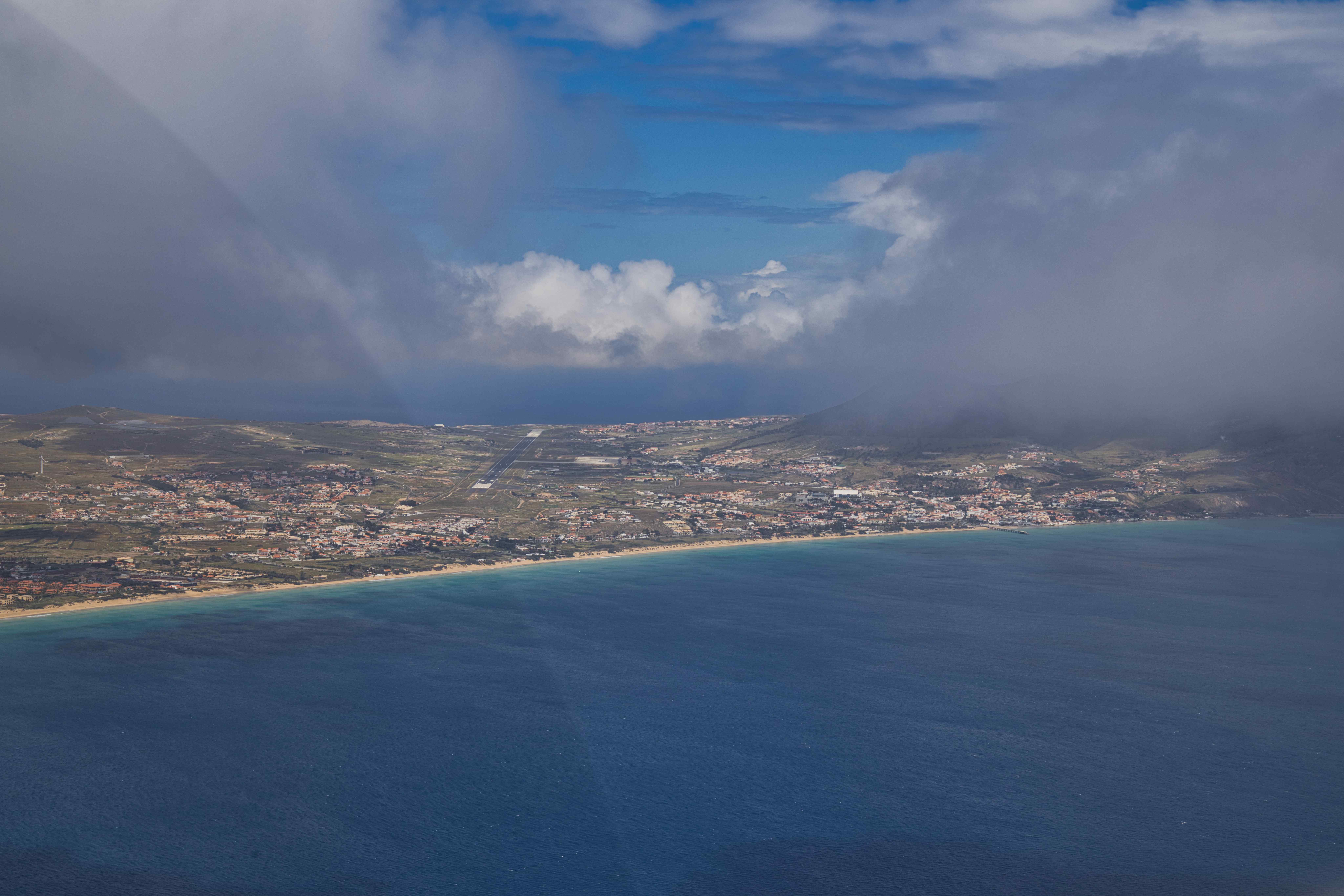
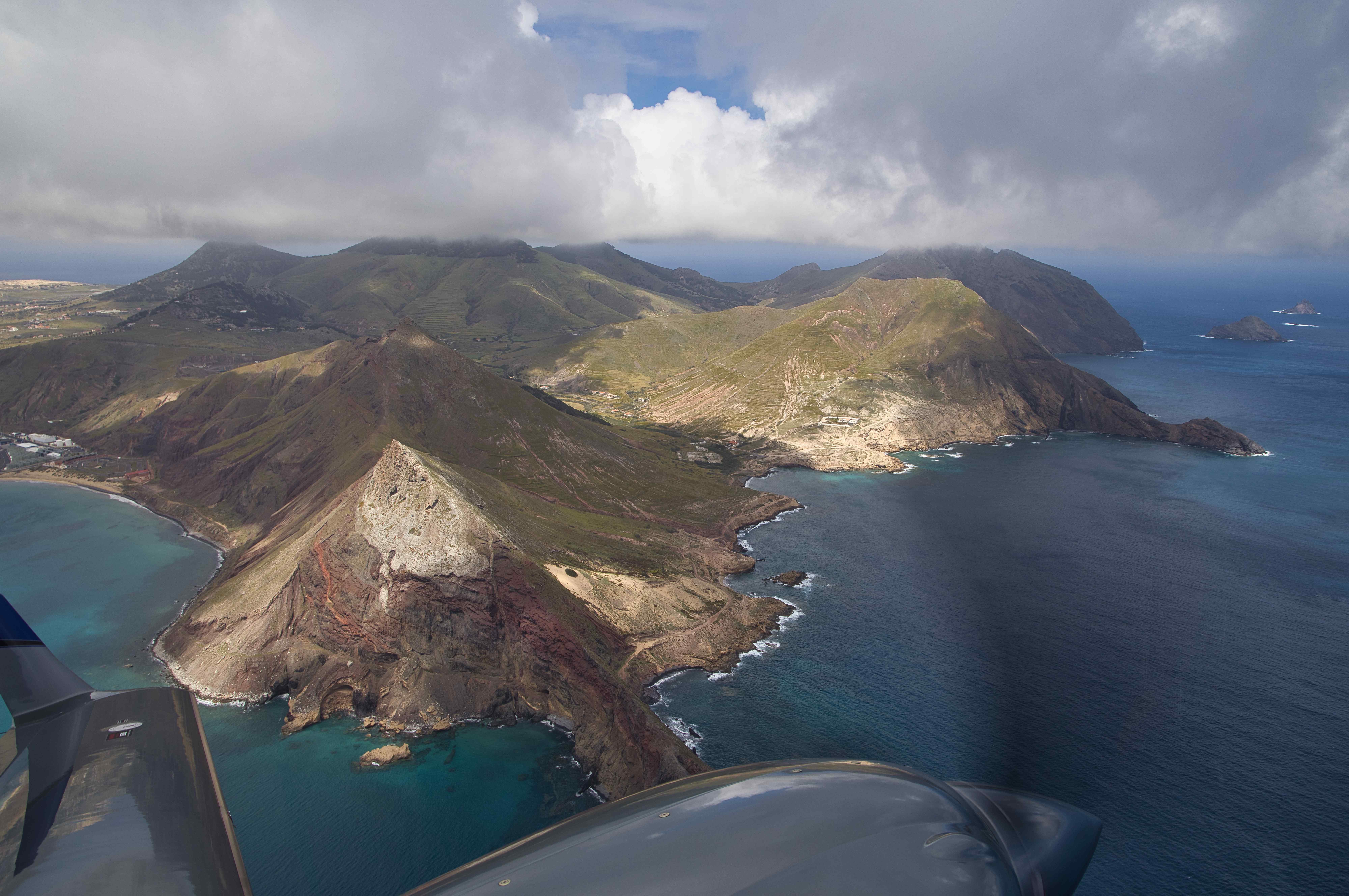
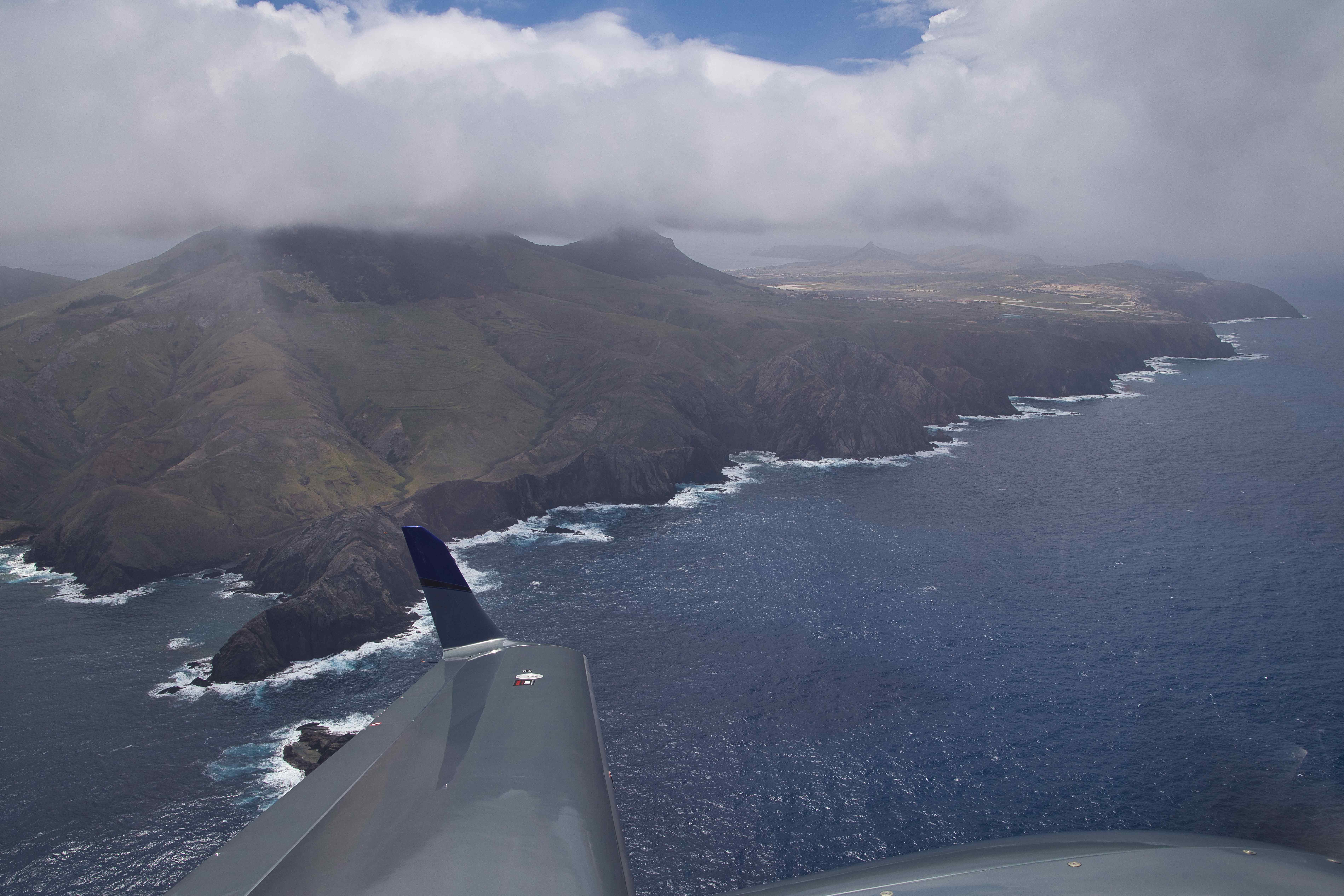
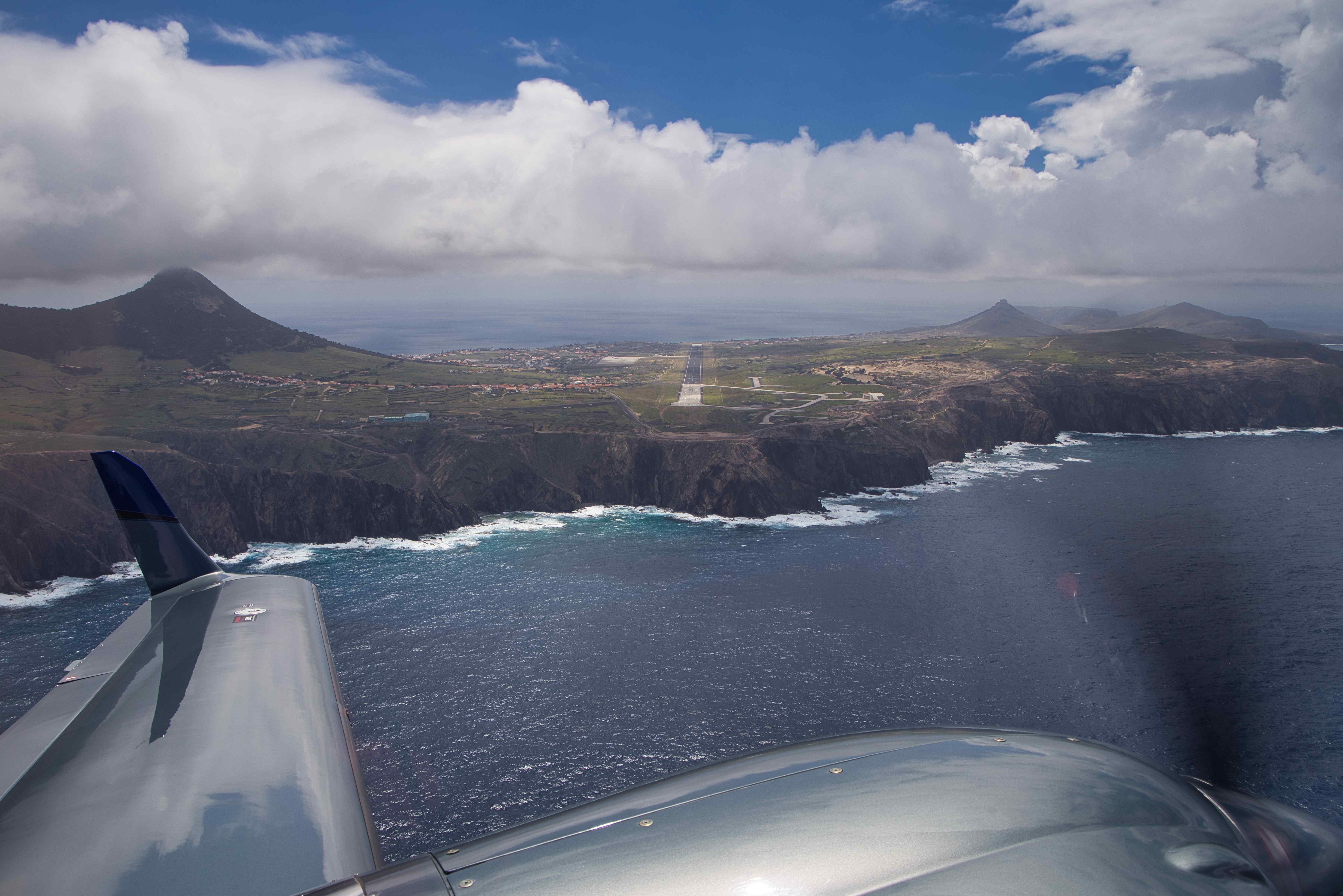
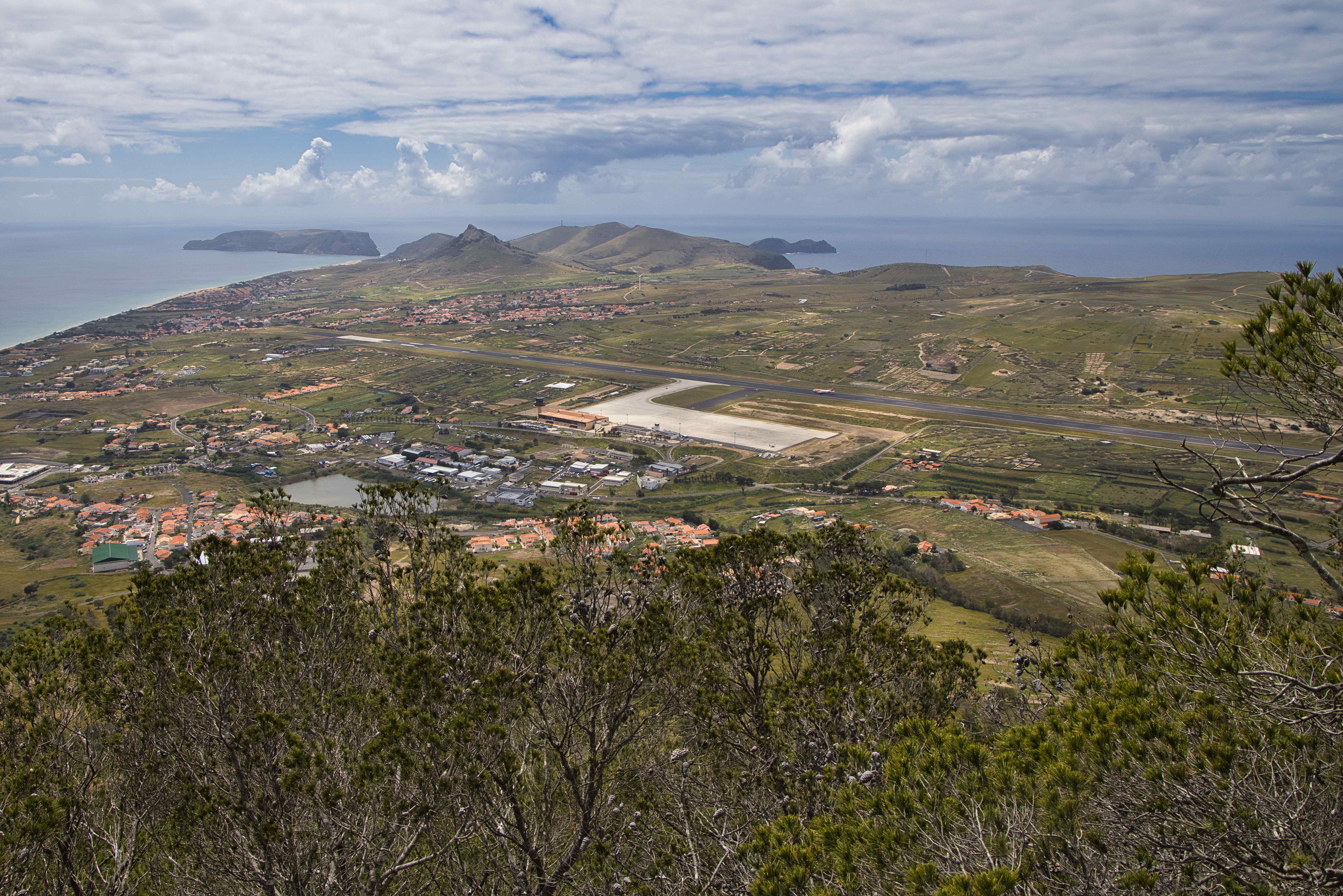
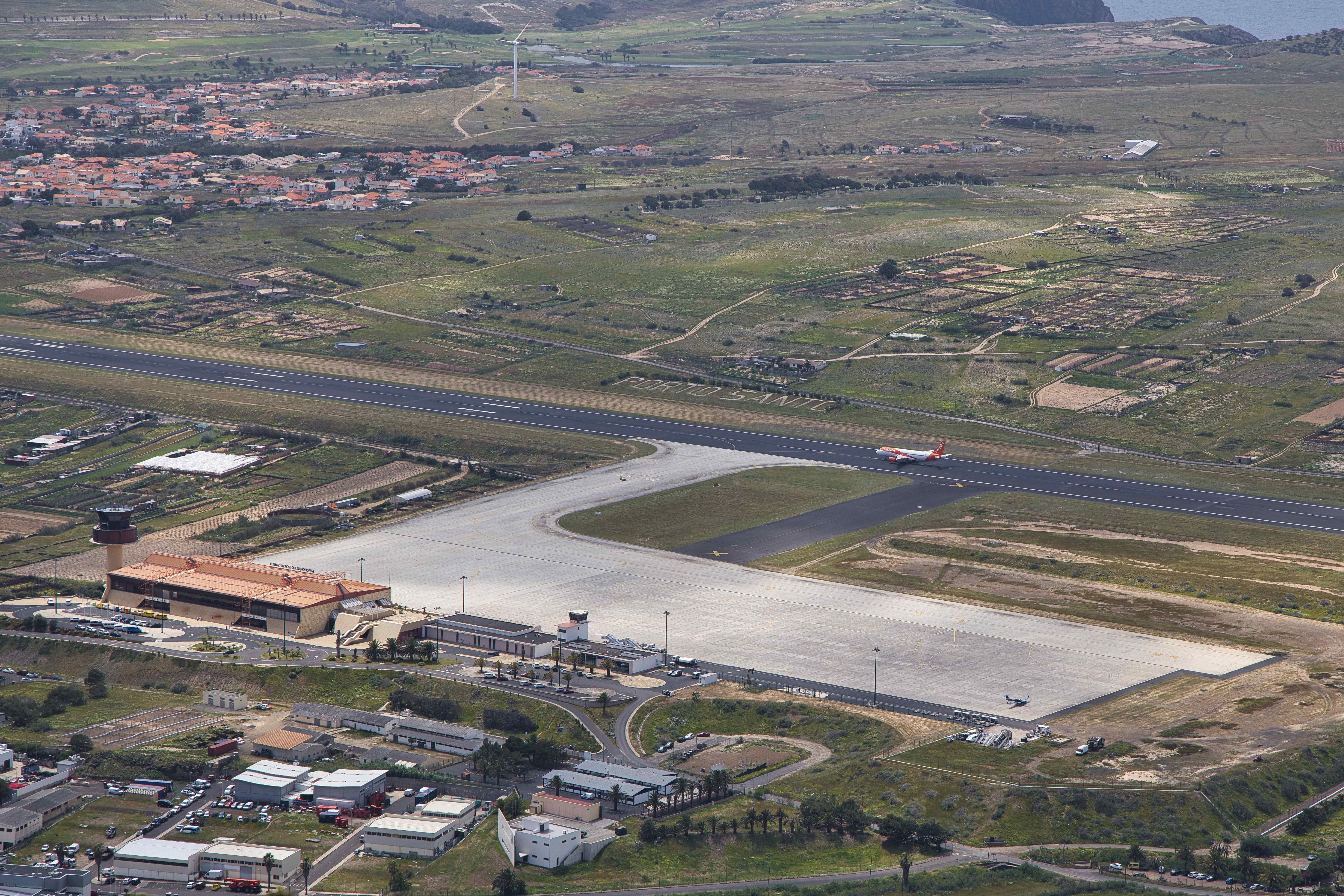
| Saturday April 12th | Cascais, Portugal (LPCS) – Porto Santo, Madeira (LPPS) |
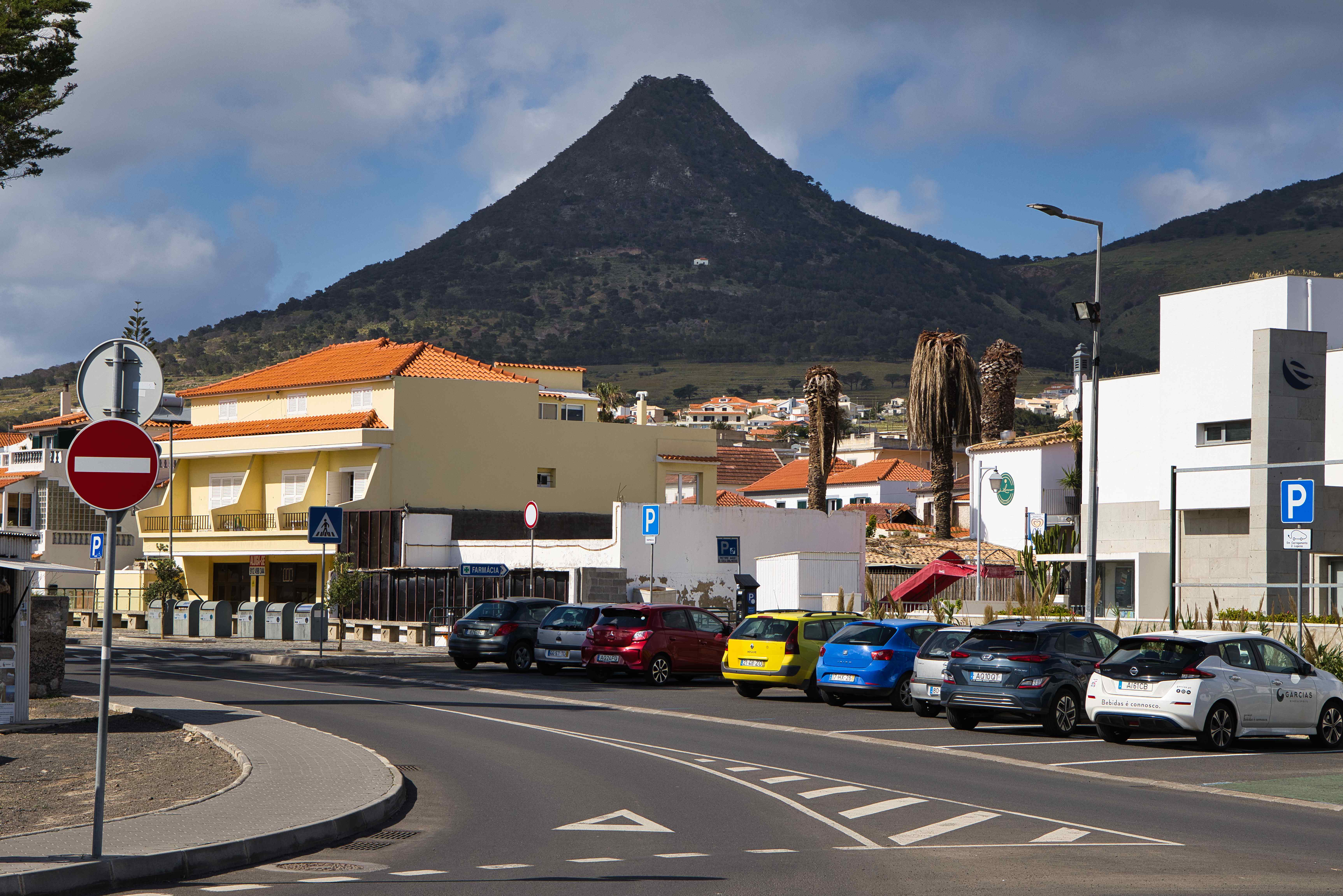
| Sunday April 13th | Hiking the peaks of Porto Santo |
| Monday April 14th | Porto Santo, Madeira (LPPS) to Ponta Delgada, São Miguel, The Azores (LPPD) |
| Tuesday April 15th | Hiking all the way around the volcanic craters of Sete Cidades. |
| Wednesday April 23rd | Ponta Delgada (LPPD) – Ilha de São Jorge (LPSJ) |
| Thursday April 17th | Ilha de São Jorge (LPSJ) – Ilha do Pico (LPPI) |
| Friday April 18th | Summiting 2,351 meter Mount Pico (Montanha do Pico) |
| Saturday April 19th | Ilha do Pico (LPPI) – Horta, Ilha do Faial (LPHR). With sightseeing around the summit of Mount Pico. |
| Sunday April 20th | Sightseeing. Hiking all the way around the big crater of Caldeira. |
| Monday April 21st | Horta, Ilha do Faial (LPHR) – Corvo (LPCR) |
| Tuesday April 22nd | Corvo (LPCR) – Lajes Air Base, Ilha Terceira (LPLA) |
| Wednesday April 23rd | Lajes Air Base, Ilha Terceira (LPLA) – Vigo, Spain (LEVX) |
| Thursday April 24th | Vigo, Spain (LEVX) – Le Touquet, France (LFAT) – Roskilde (EKRK) |
Preparations
Having done a similar tour to Greenland in 2024, preparations for this tour was quick and easy. I basically brought the same equipment, except survival suits as the waters around the Azores are much warmer than those around Greenland. This time I choose to buy my own survival raft instead of renting because renting for two weeks costs around 40 pct. of the price of a new raft.
- Water tight Grab Bag with essential stuff in case of an emergency. We had PLB, flares, water and satellite phone in the grab bag.
- Covered Survival Raft in case of water landing.
- Personal Locator Beacon (PLB). My airplane has its own Emergency Locator Beacon (ELT), but having a backup in a pocket in your survival suit can change everything in an emergency situation (if you have to leave the airplane or the airplane sinks).
- Iridium Satellite Phone. This one is obvious, phone coverage doesn’t exist anywhere outside the few and far between towns.
- Garmin InReach GPS tracker. This tiny device makes it super easy for everybody back home to follow us in real time. My tracker was set up to log our position every two minutes. All my tracks can be seen here.
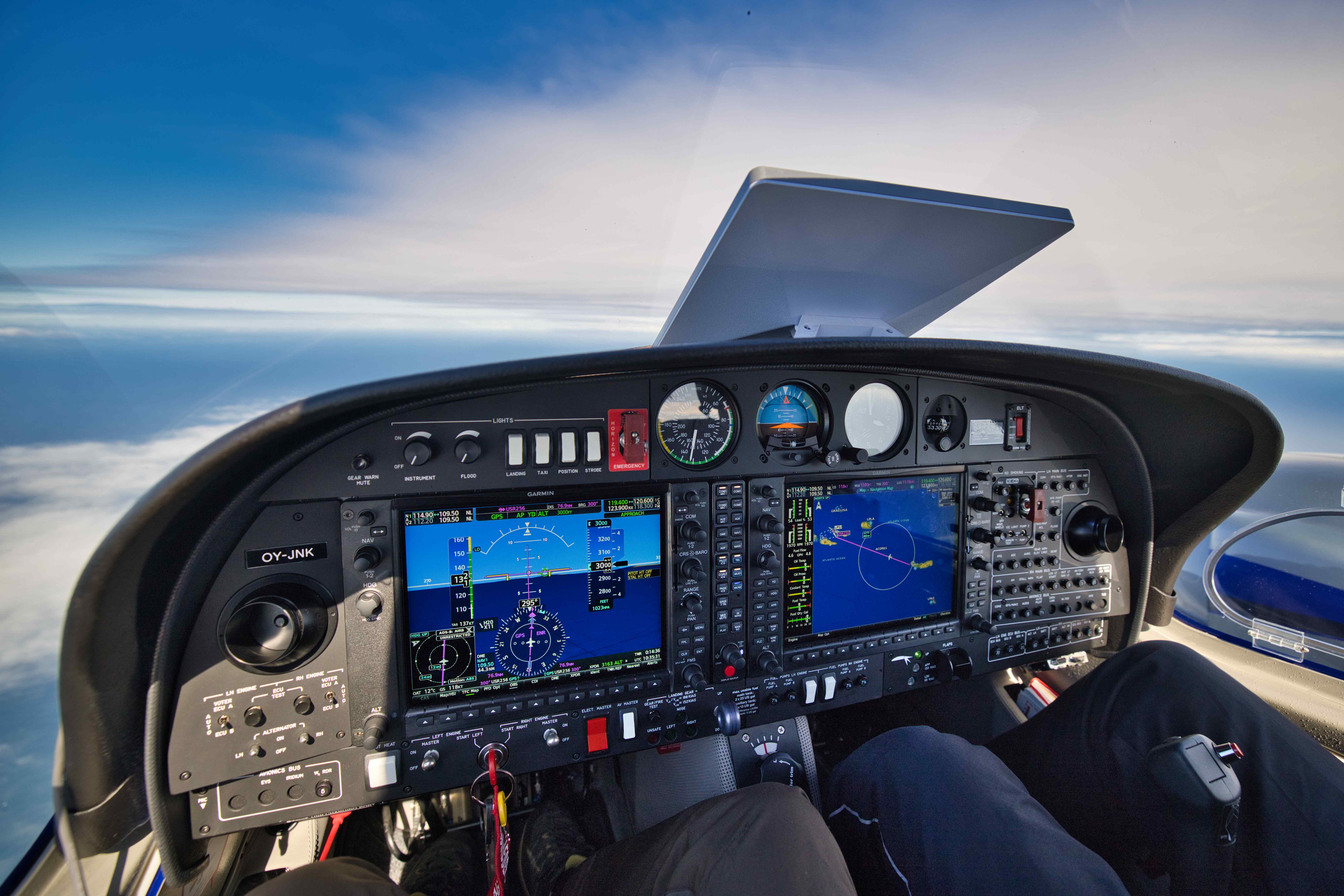
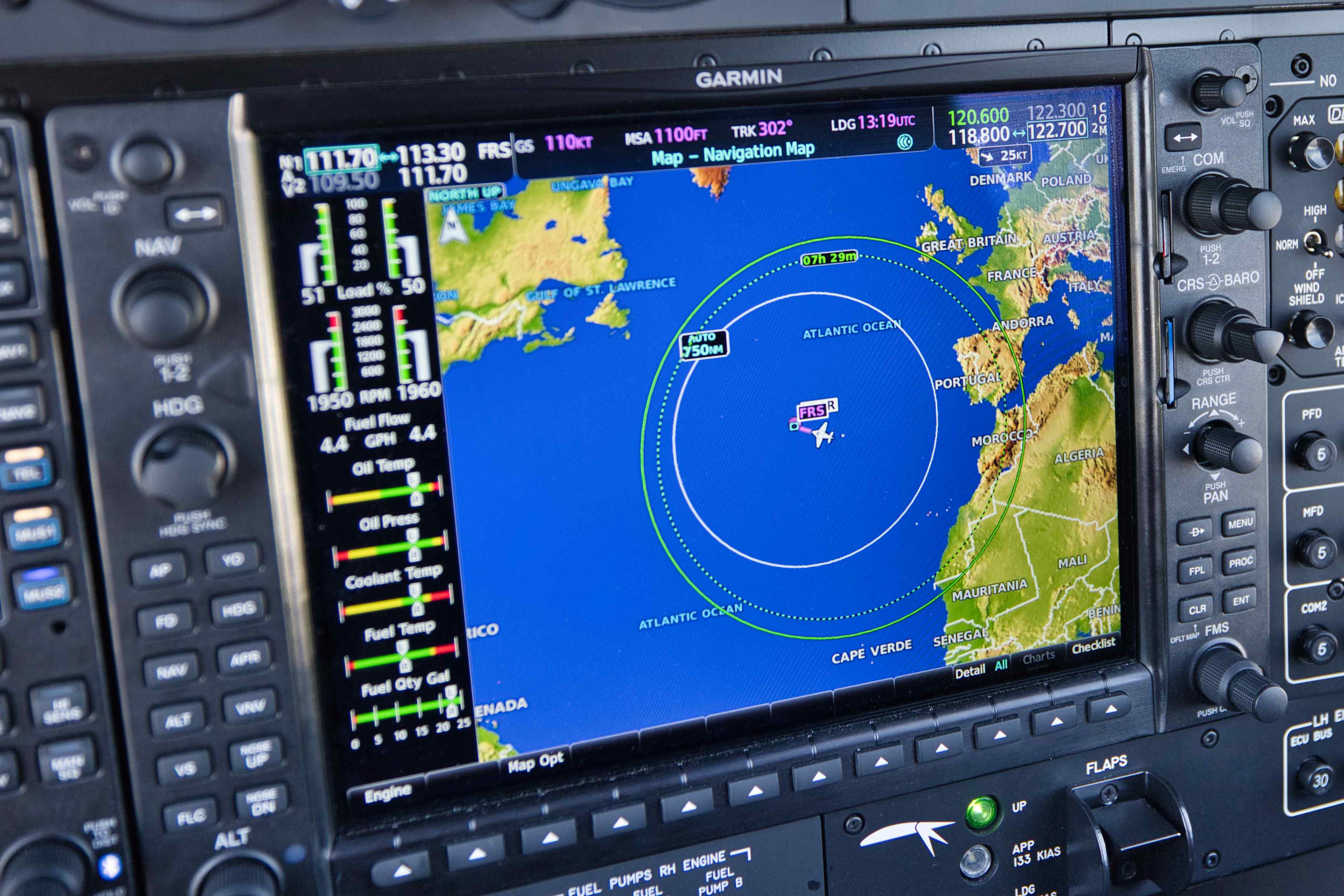
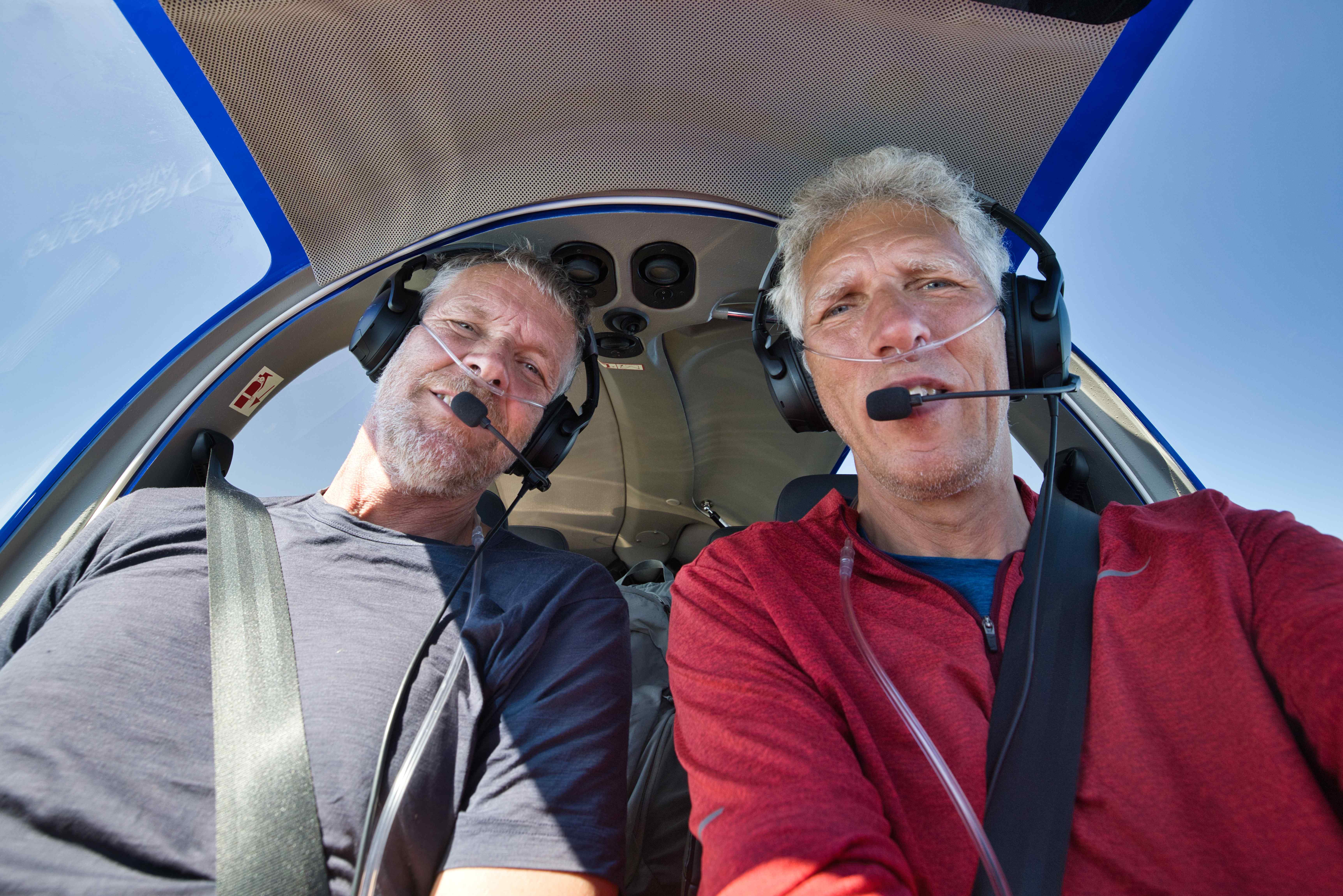
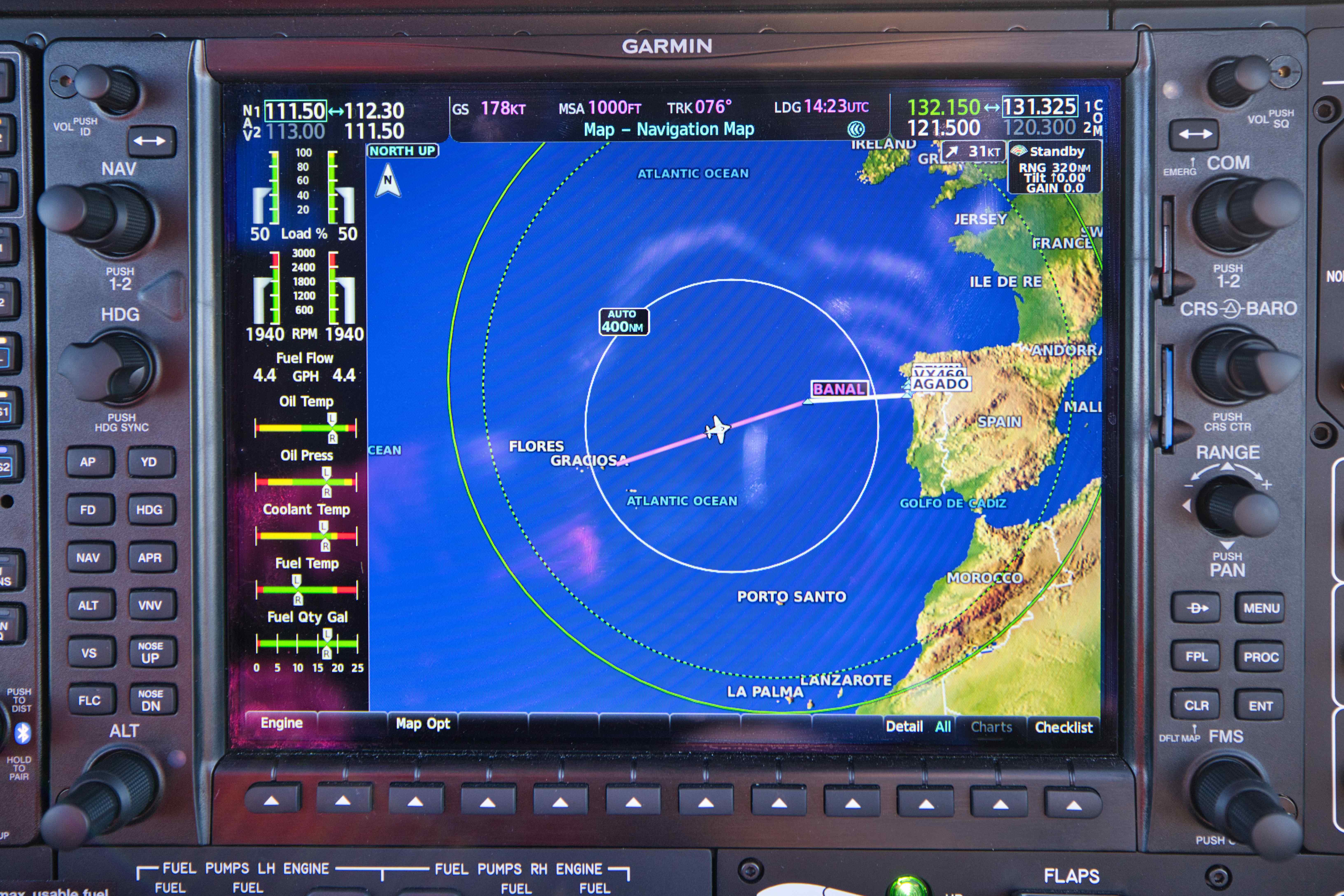
- Star Link Mini for enroute high speed Internet (see pictures from inside the cockpit). I had two power banks capable of delivering 100 watt to run the Star Link, each power bank lasted for approx. three hours. Most of the time we had 150+ megabit download speed.
- Dry food, dry fruits, chocolate and water. The requirements are 2,000 kcal pr. person pr. day, we brought way more.
- Flares and emergency rockets to attract attention in case of emergency.
- Two iPads with ForeFlight. ForeFlight was used for all flight planning, for most weather briefings, for fuel planning and for filing flight plans. During flights ForeFlight was used as navigation backup.
- Spare tire and tube.
- Extra oil for the engines.
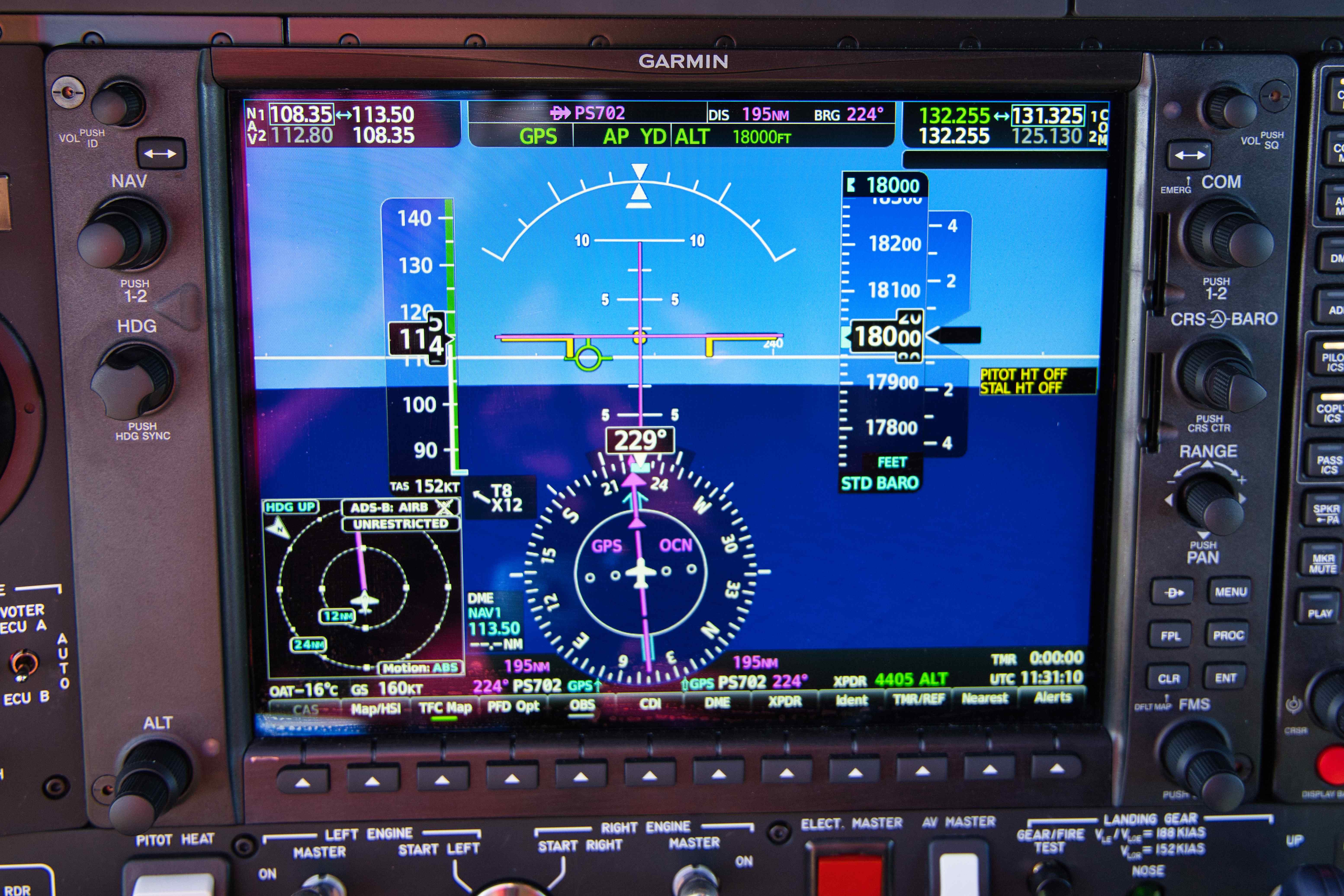
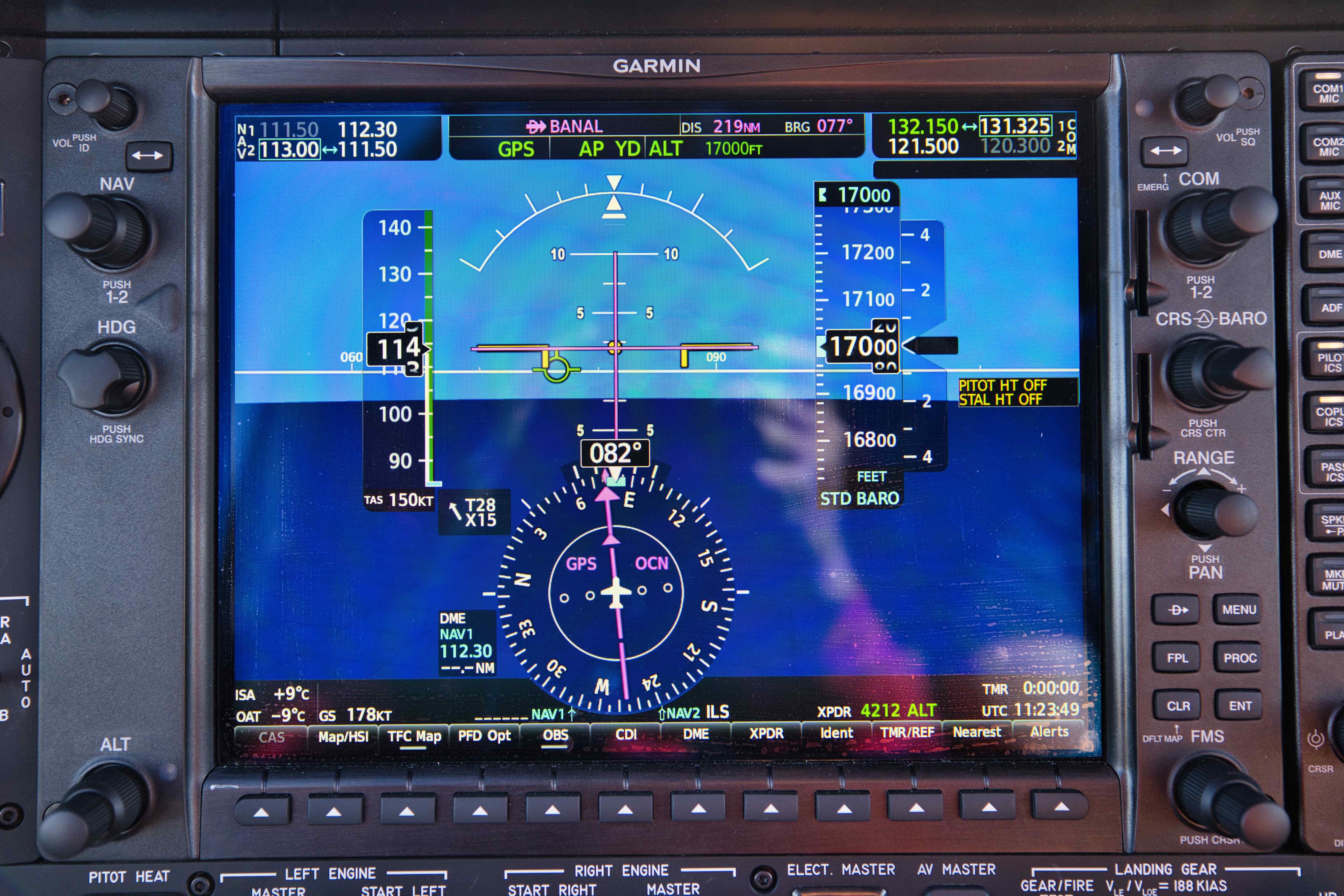
- Oxygen for the entire trip. Most of the trips was done below FL100 (10,000 feet), but for the long flights over water I flew at up to FL180 (18,000 feet) depending on the wind. My oxygen bottle is a large, but lightweight 48 cb. ft. carbon fibre bottle. And my oxygen system is a Portable Pulse Demand System for two people from MH Oxygen. This oxygen system can last for up to 15 hours for two persons flying at FL180 (18,000 feet).
- Extra headset and extra batteries for headsets.
- Chocks, tie down clamps and ropes for parking.
Getting to The Azores
I spent five days getting to the Azores with stops at La Rochelle, France (LFBH), Cascais, Portugal (LPCS) and Porto Santo, Madeira (LPPS) before landing on the island of São Miguel of The Azores (LPPD). I spent a full day on Porto Santo close to Madeira for hiking.
A few pictures from La Rochelle in France…
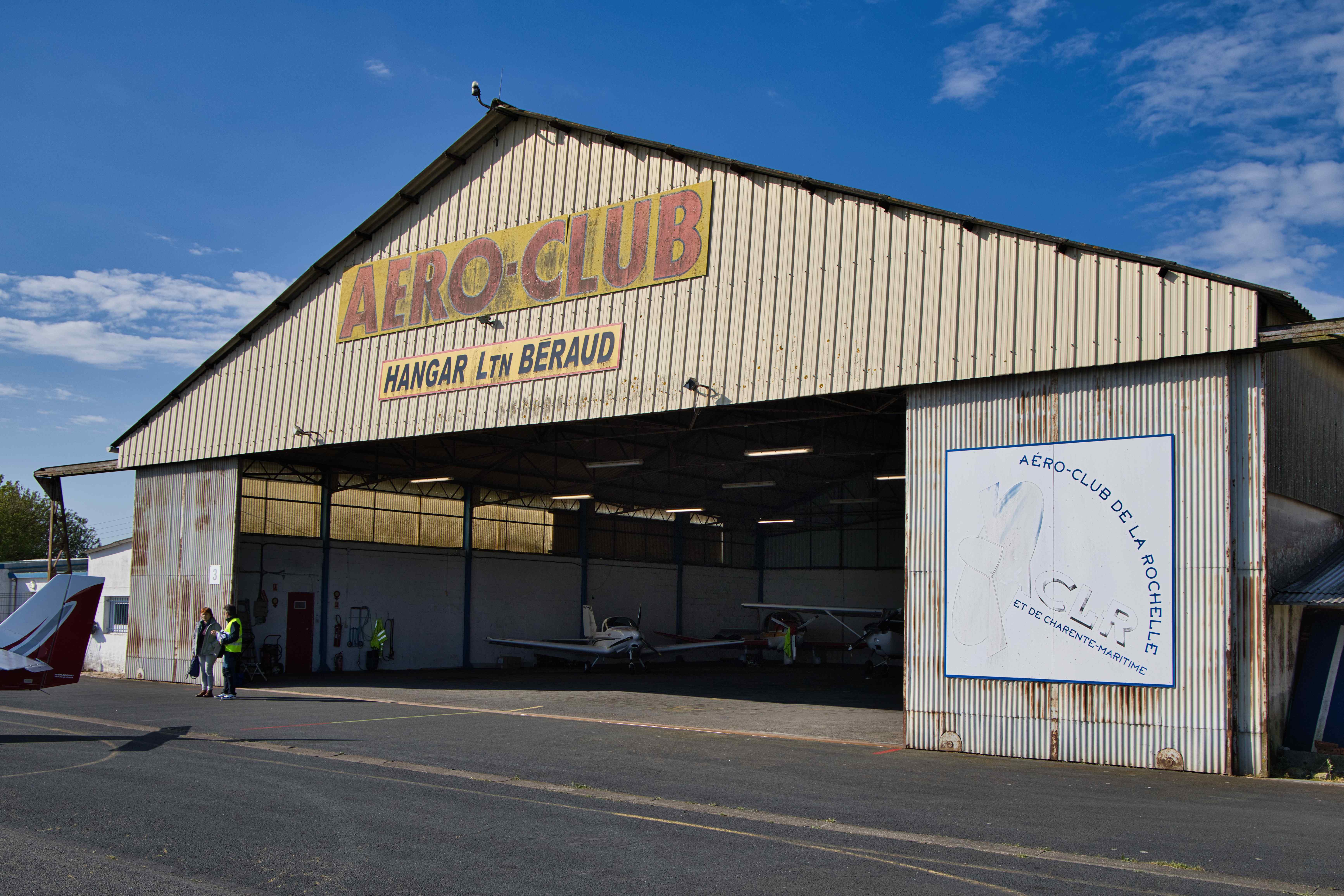
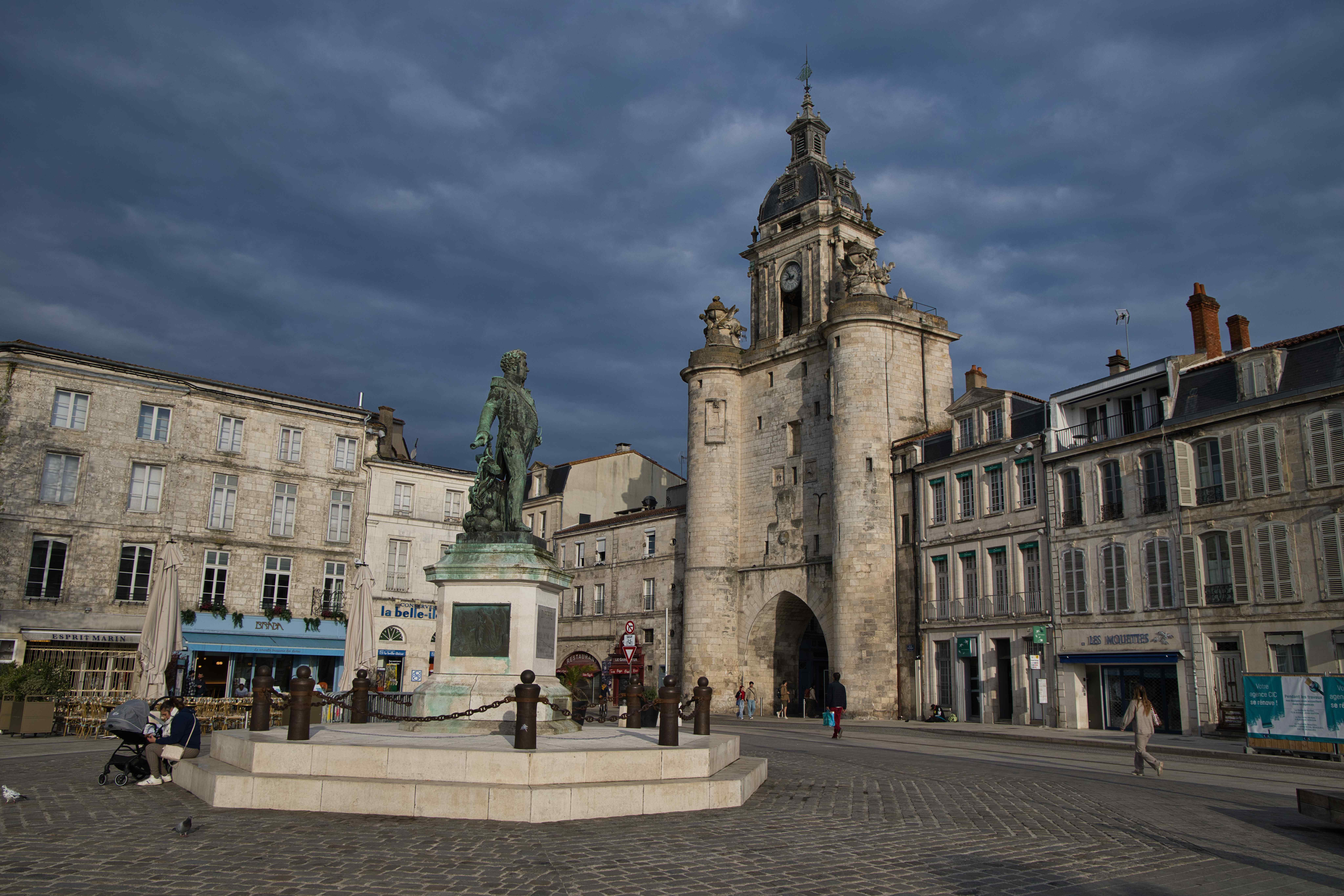
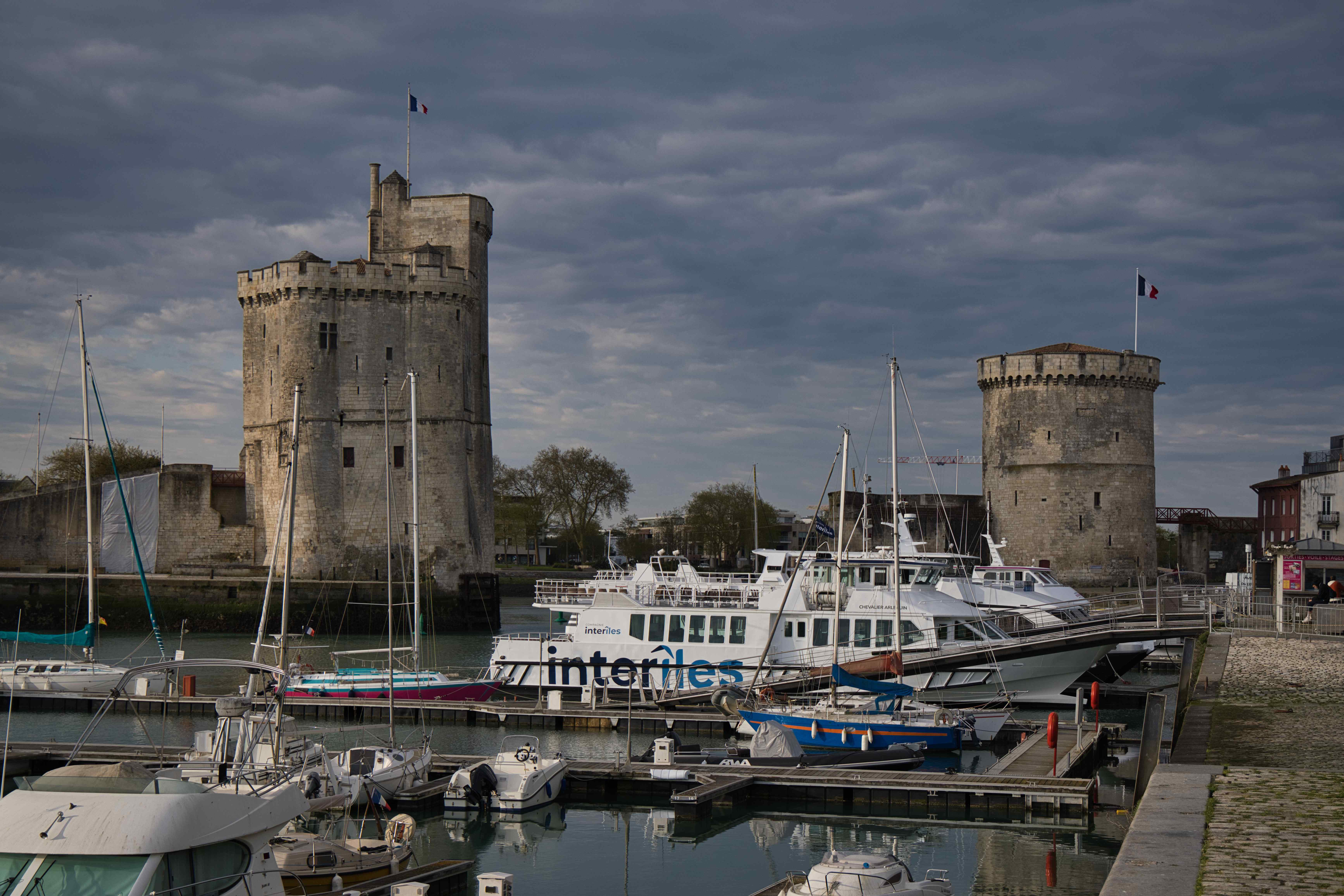
A few pictures from Cascais near Lisbon in Portugal… I (my airplane) was parked among very old and broken airplanes!
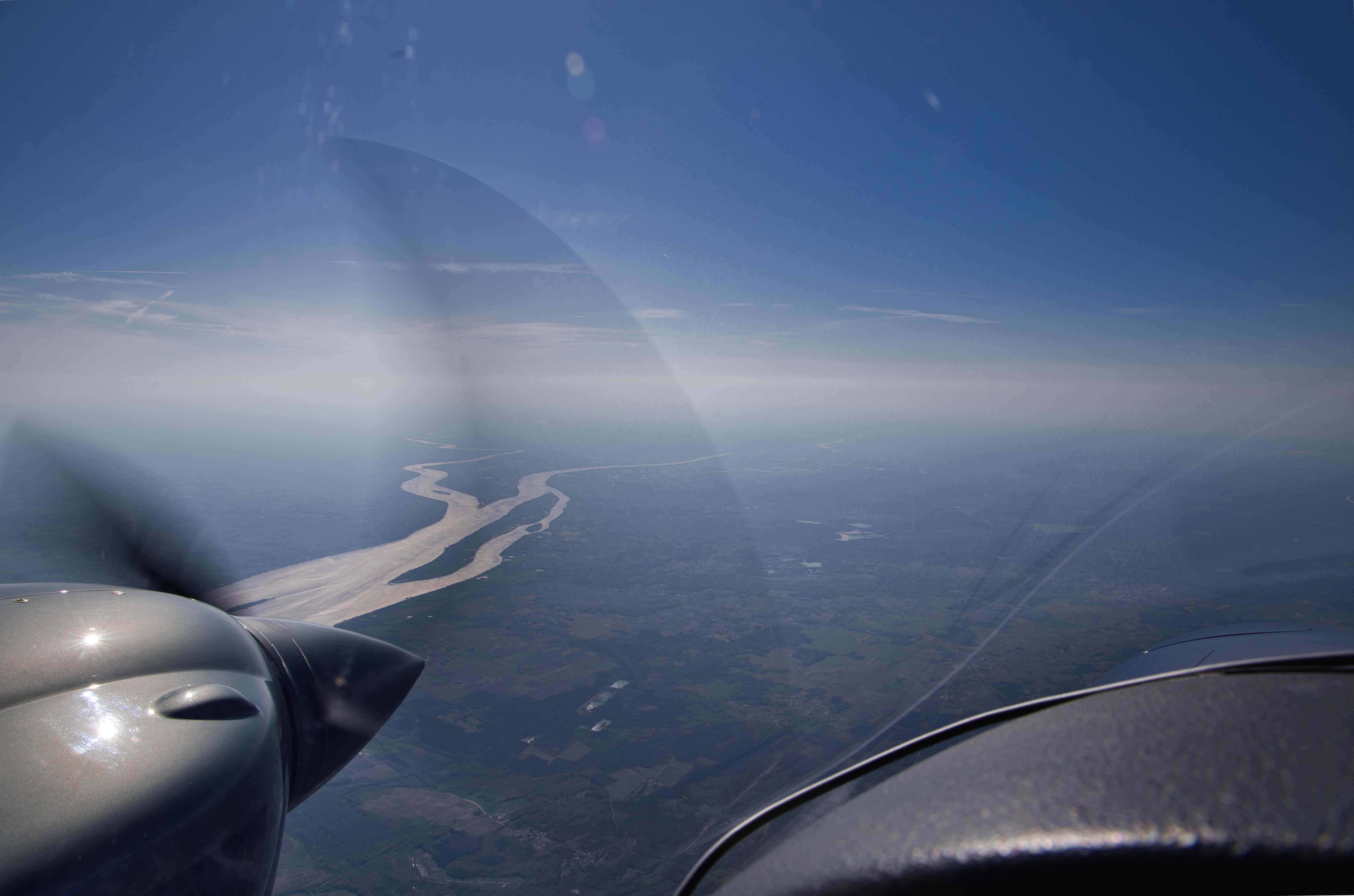
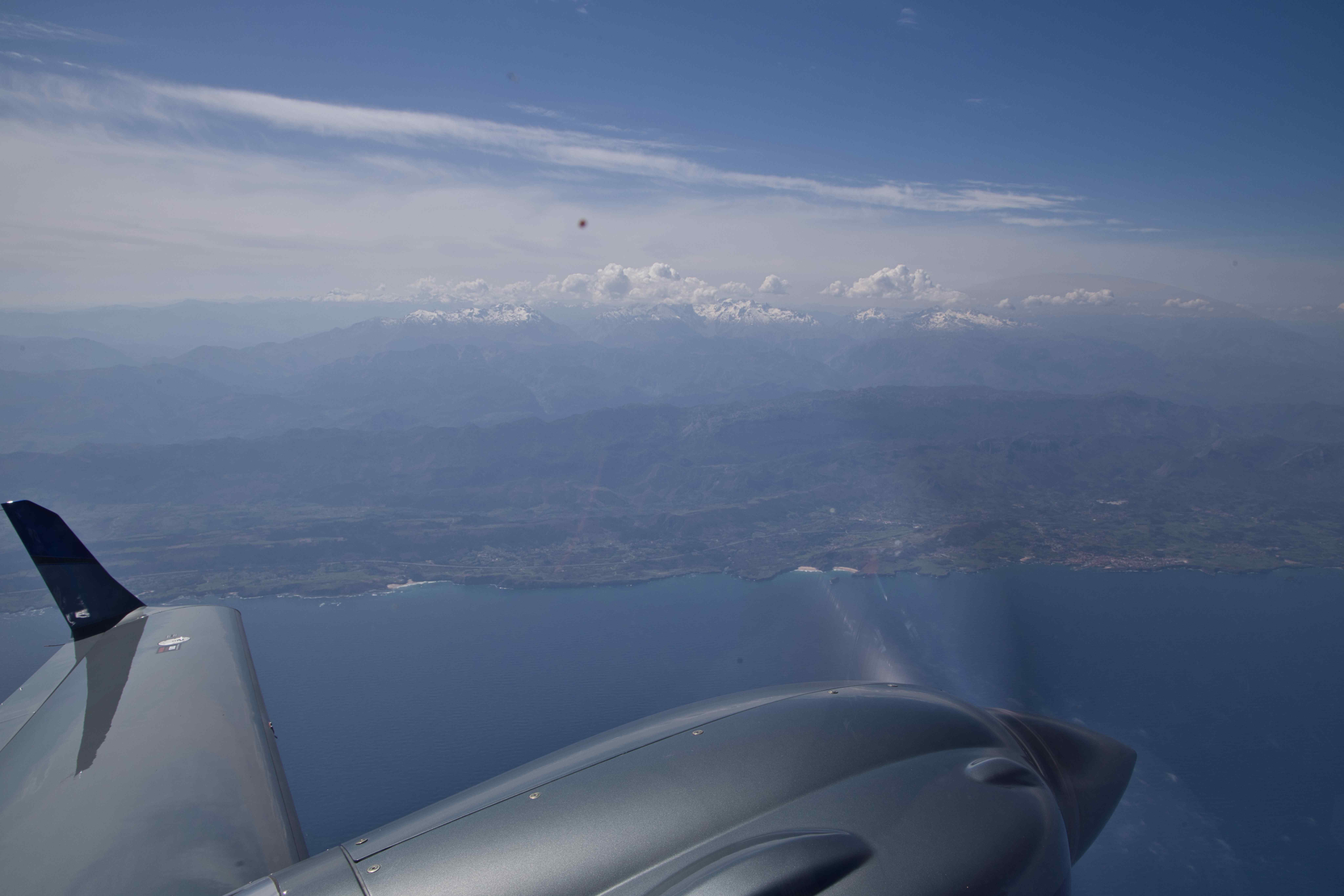
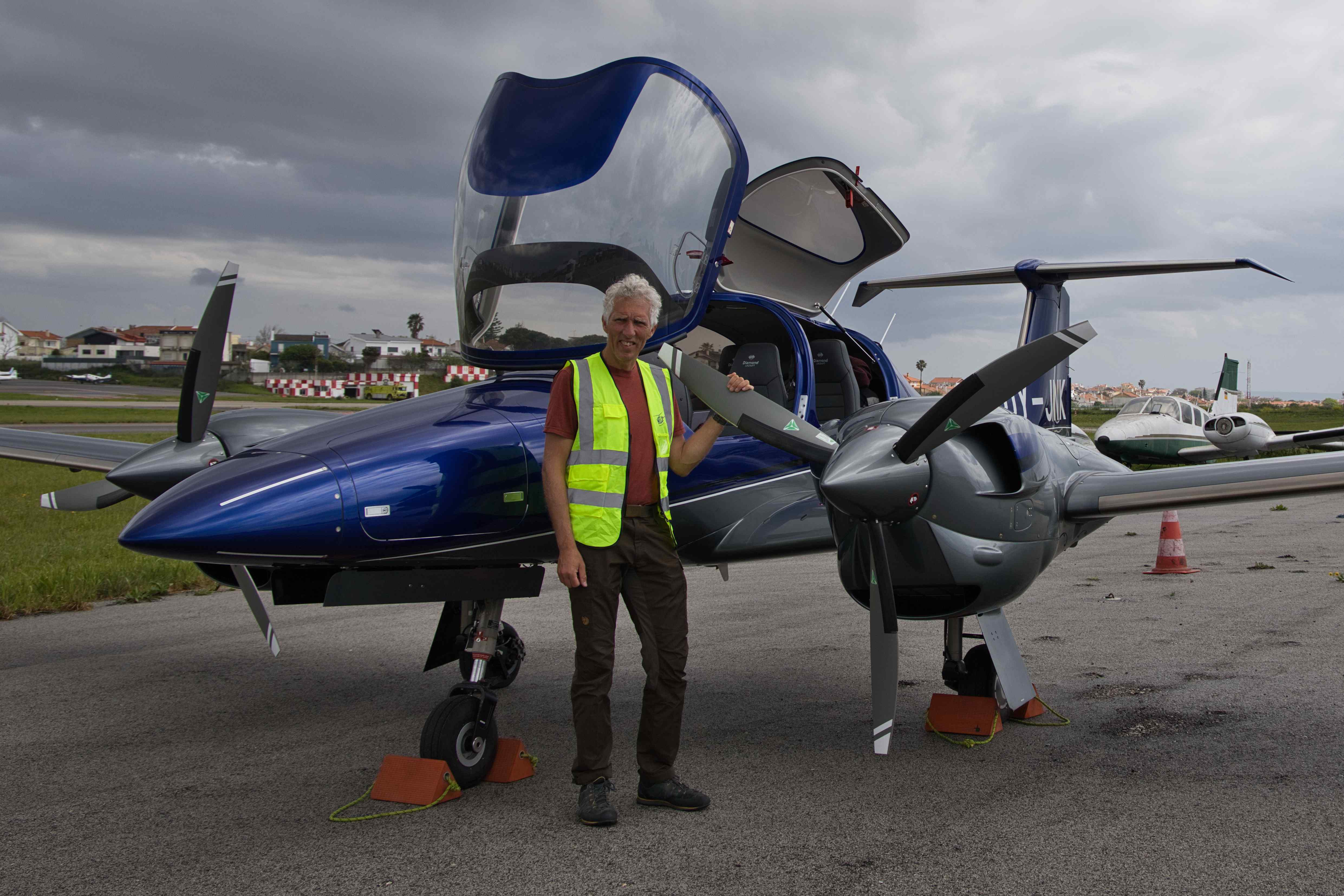


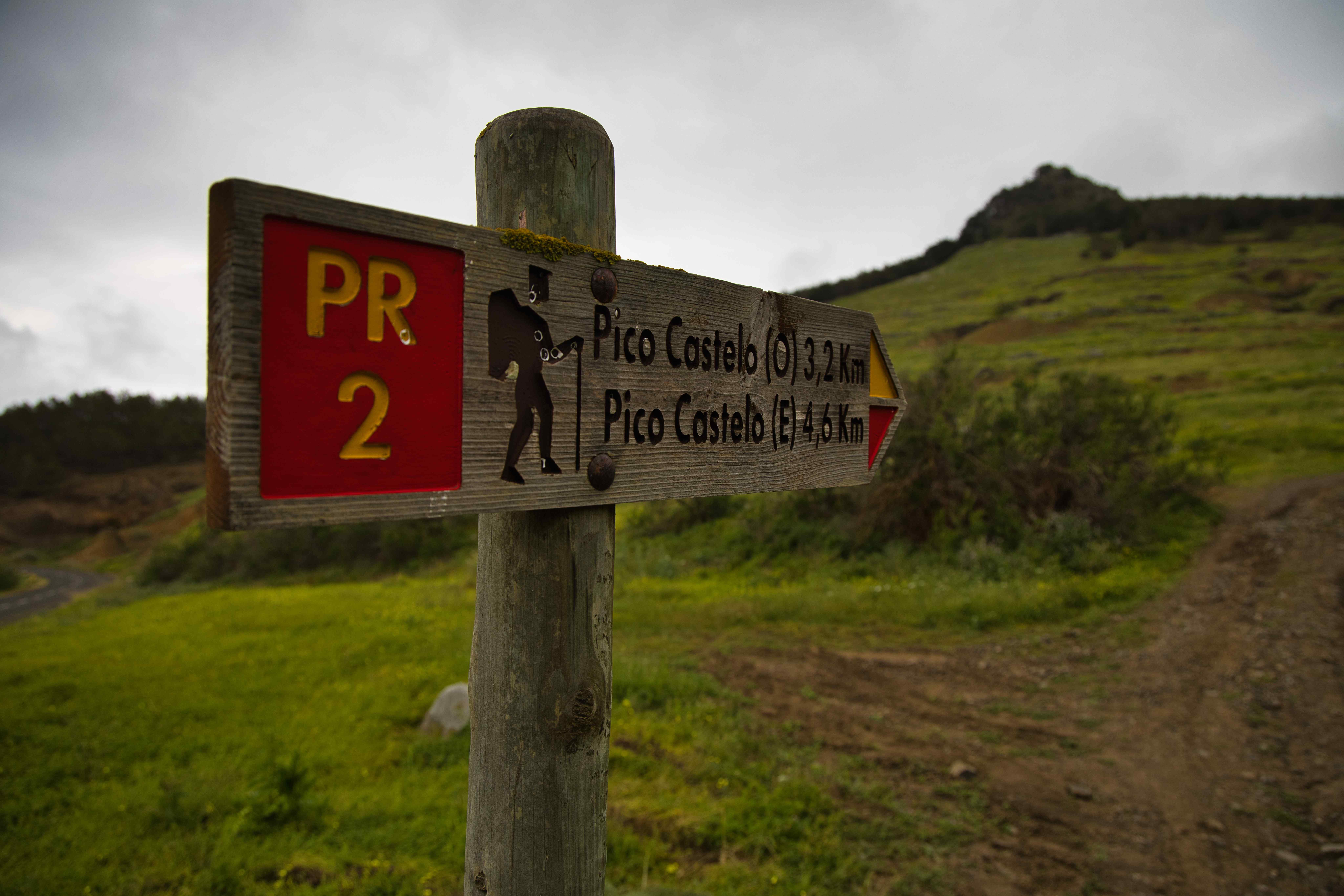
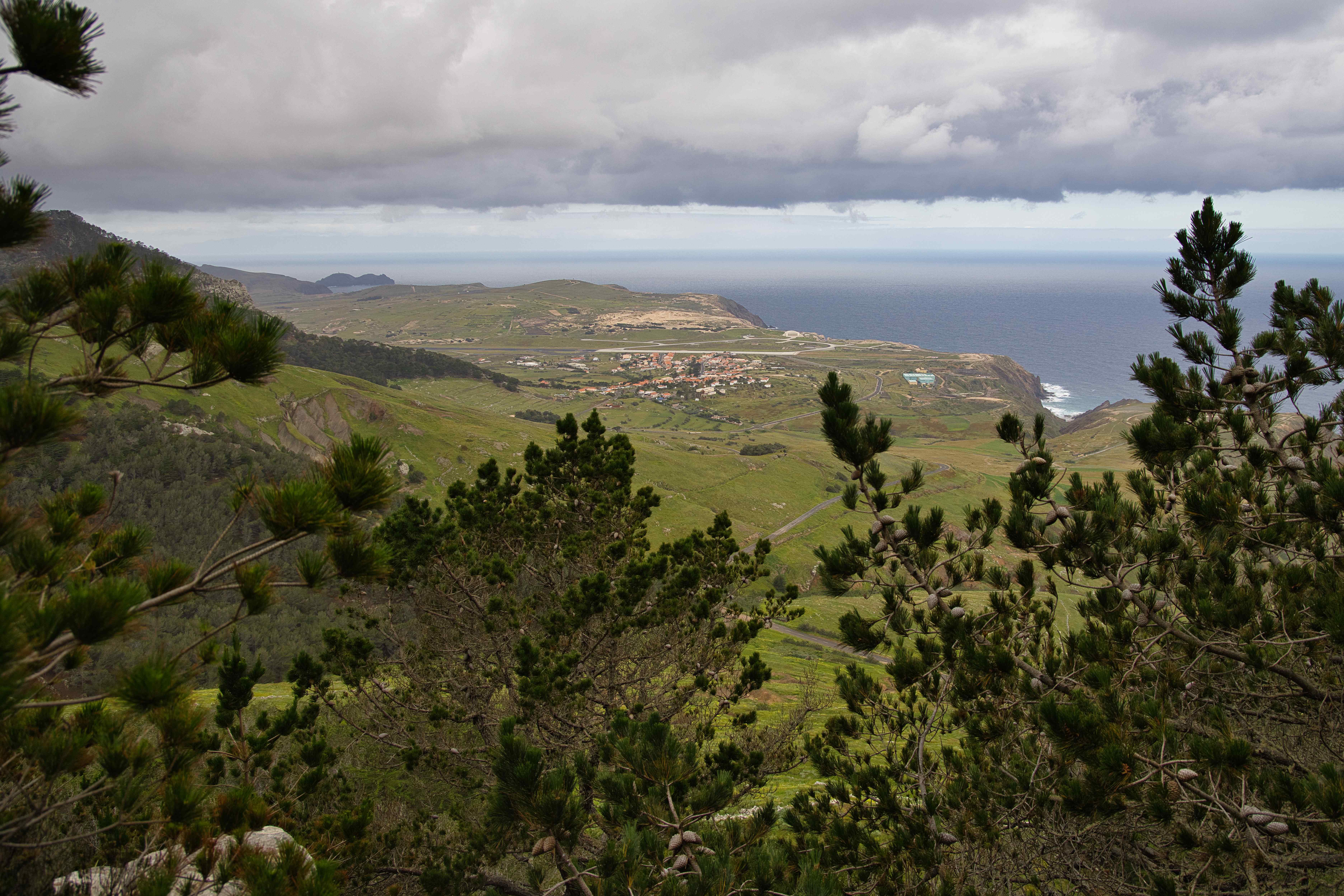
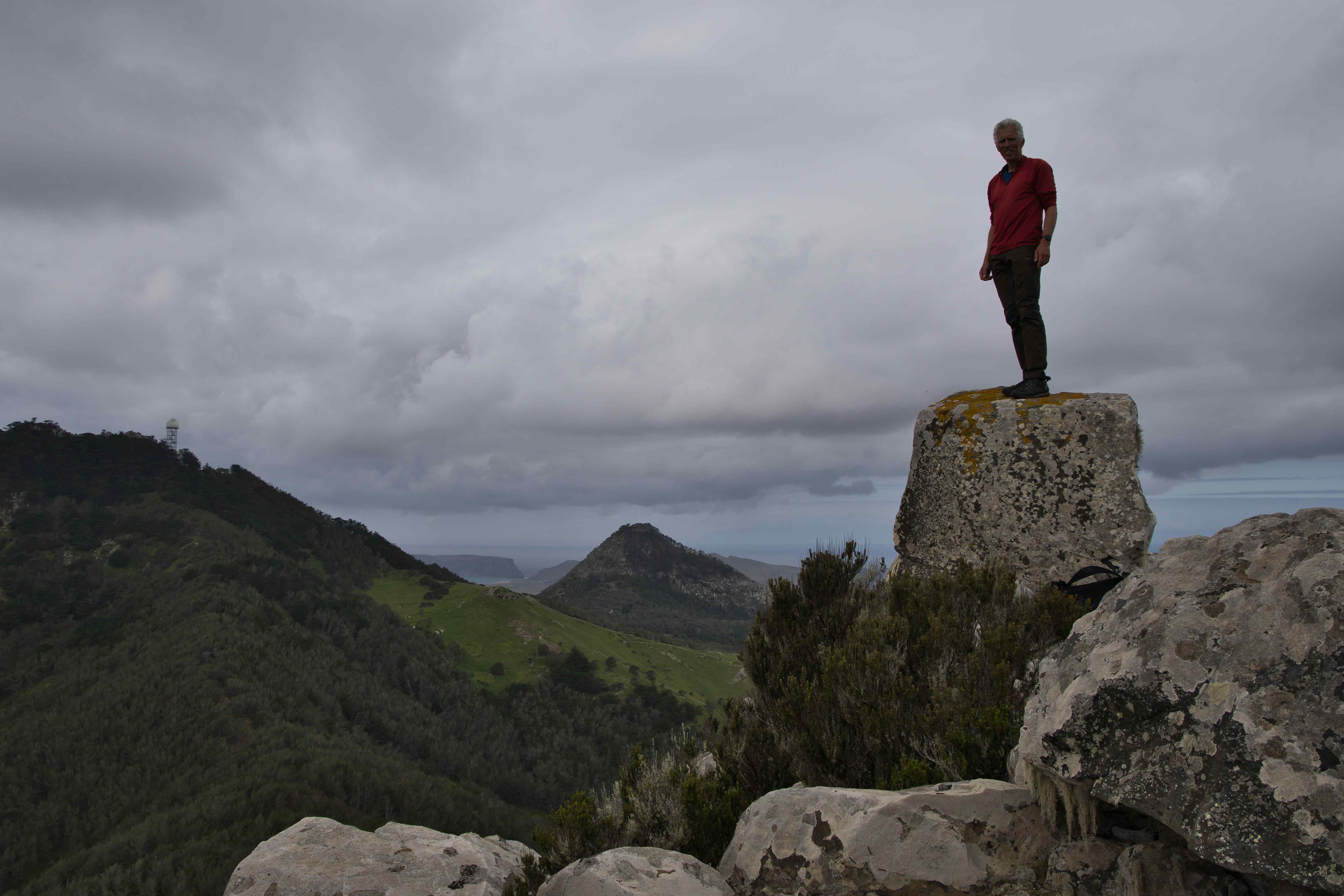
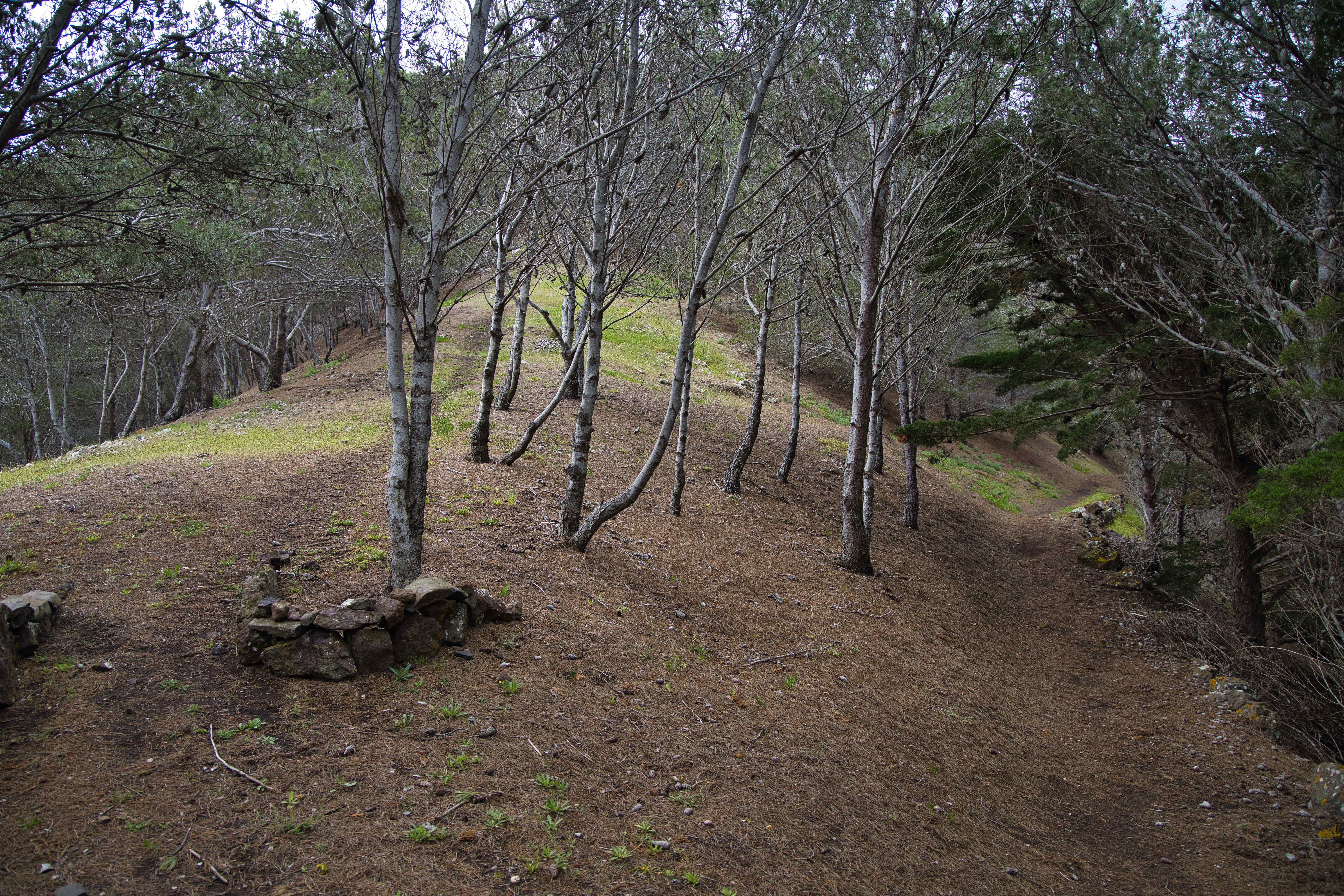
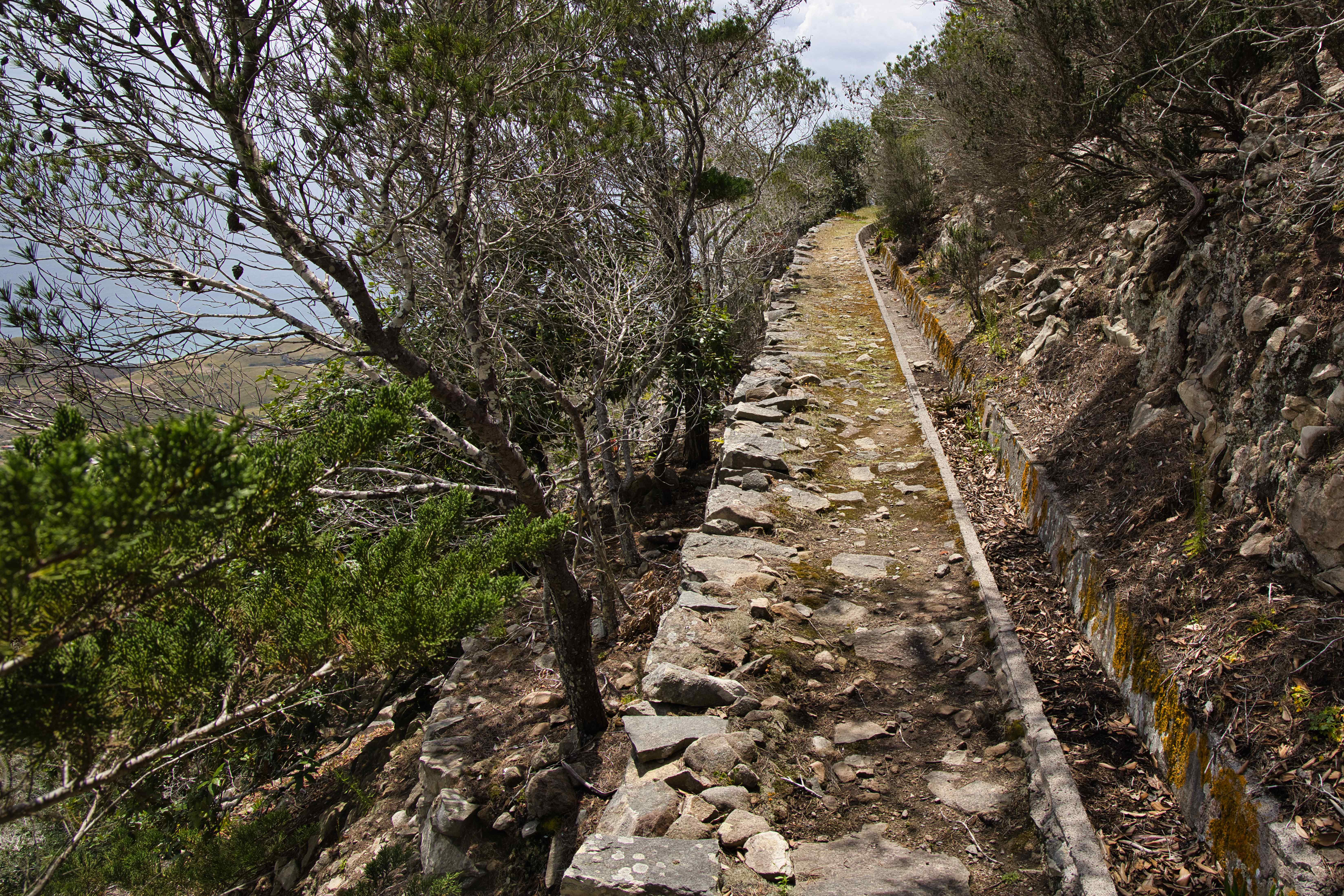
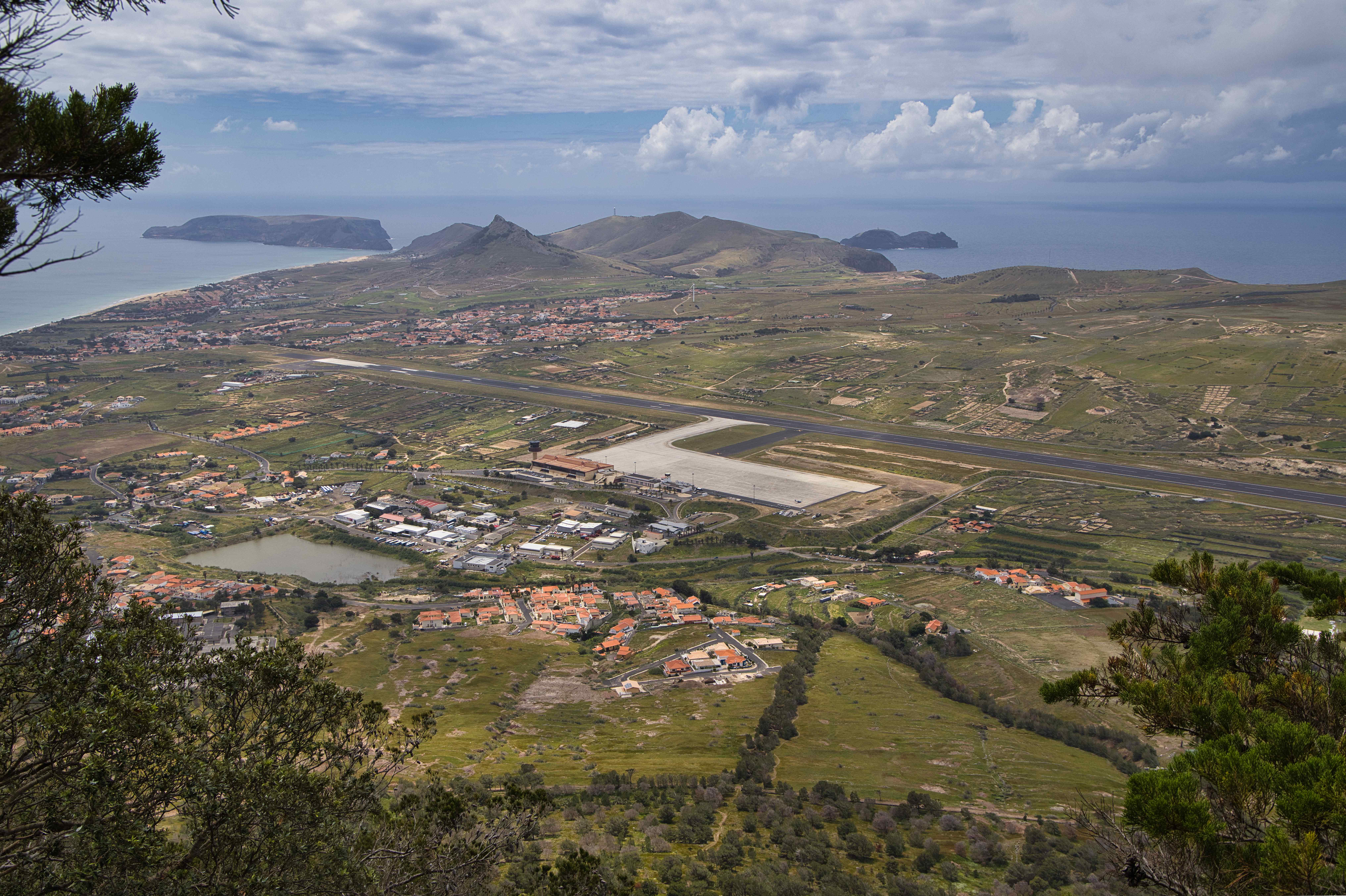
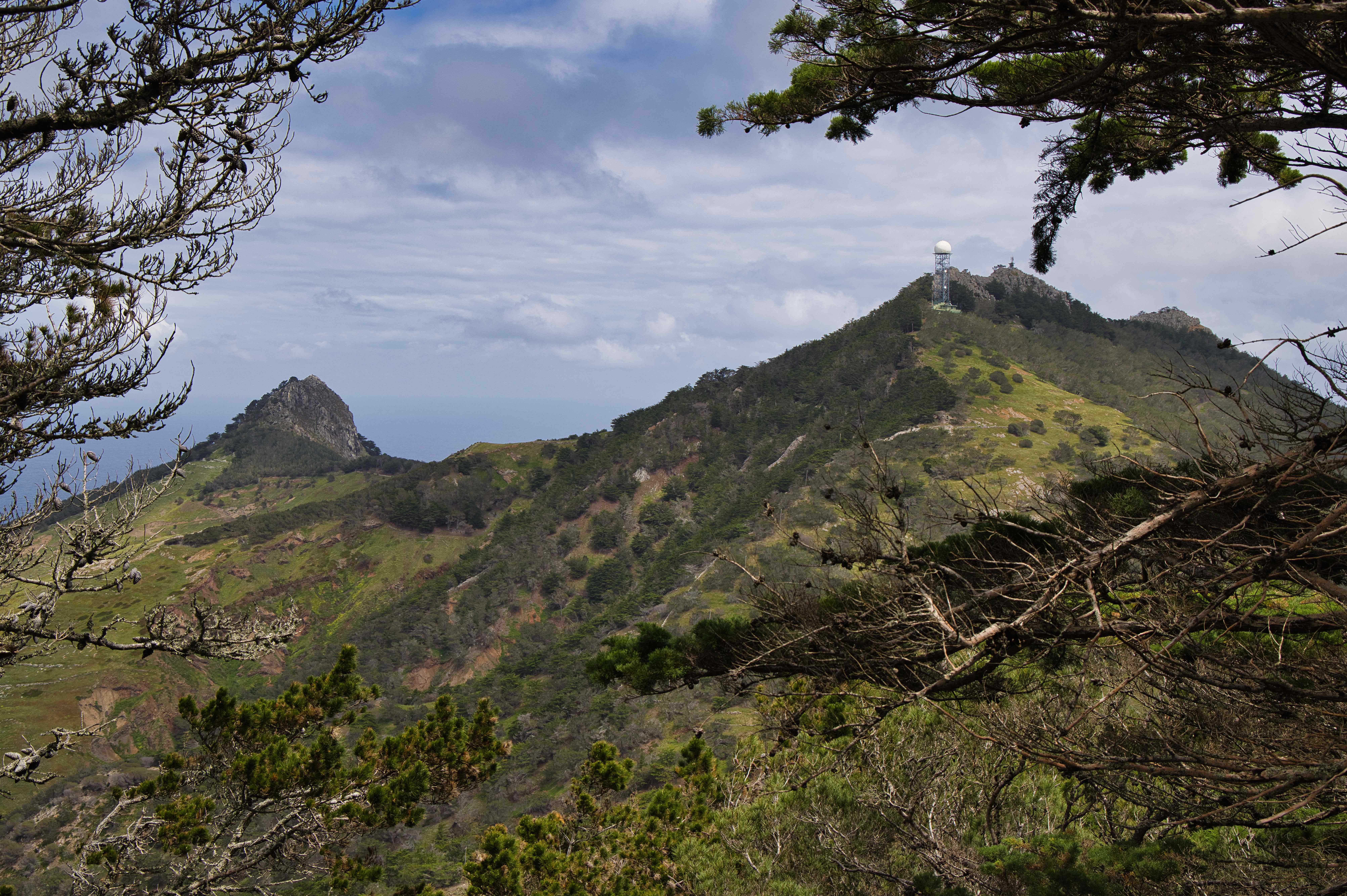
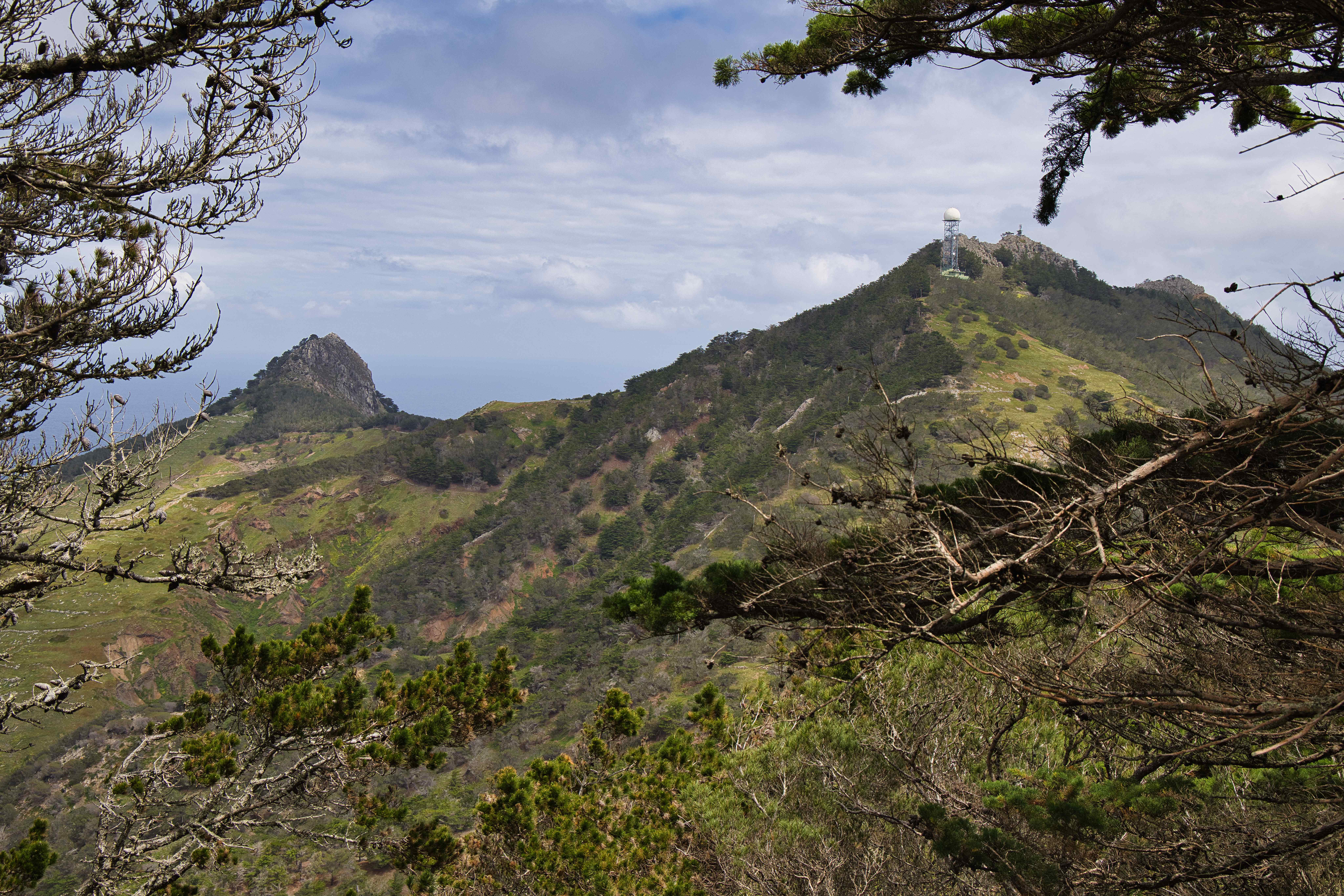
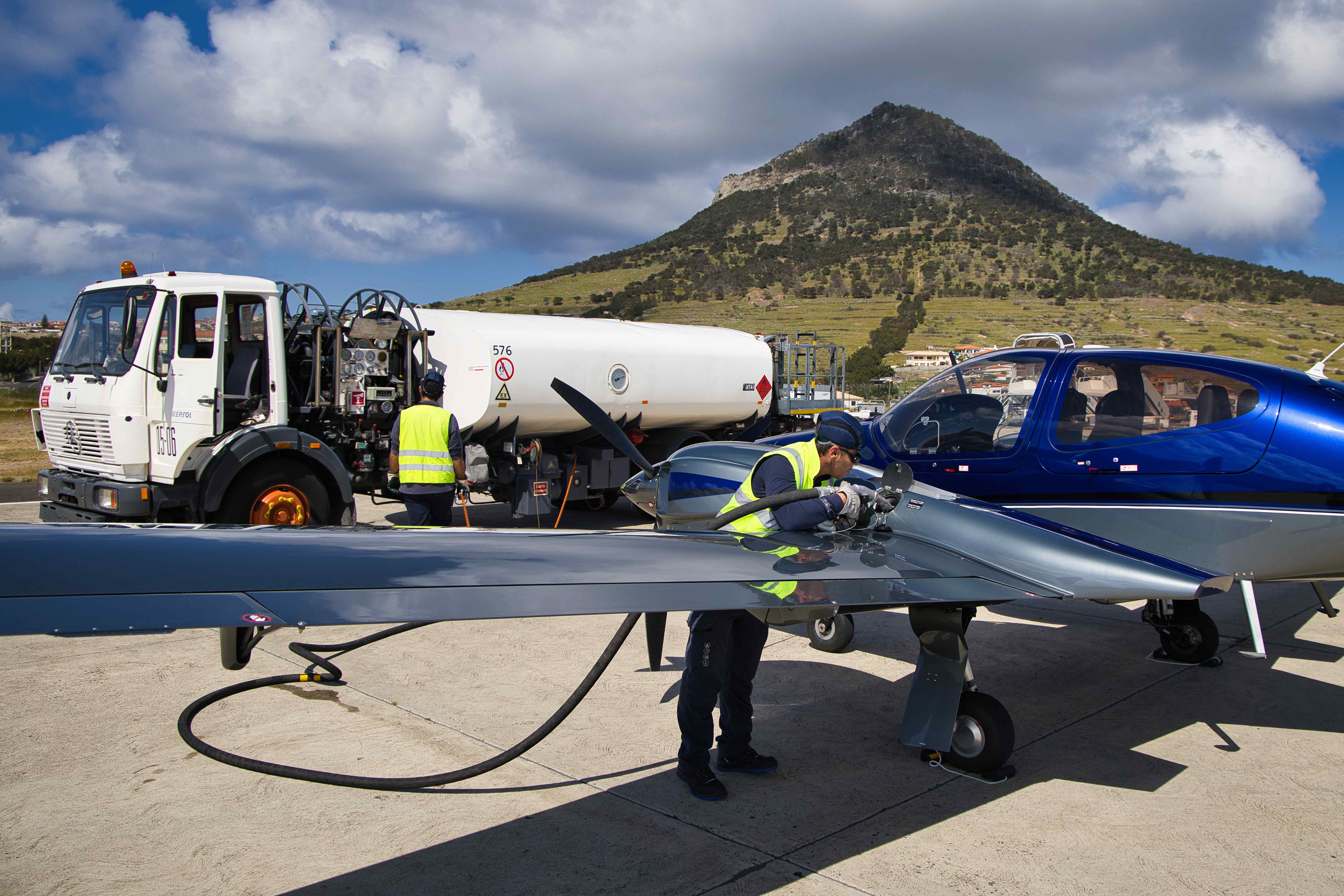
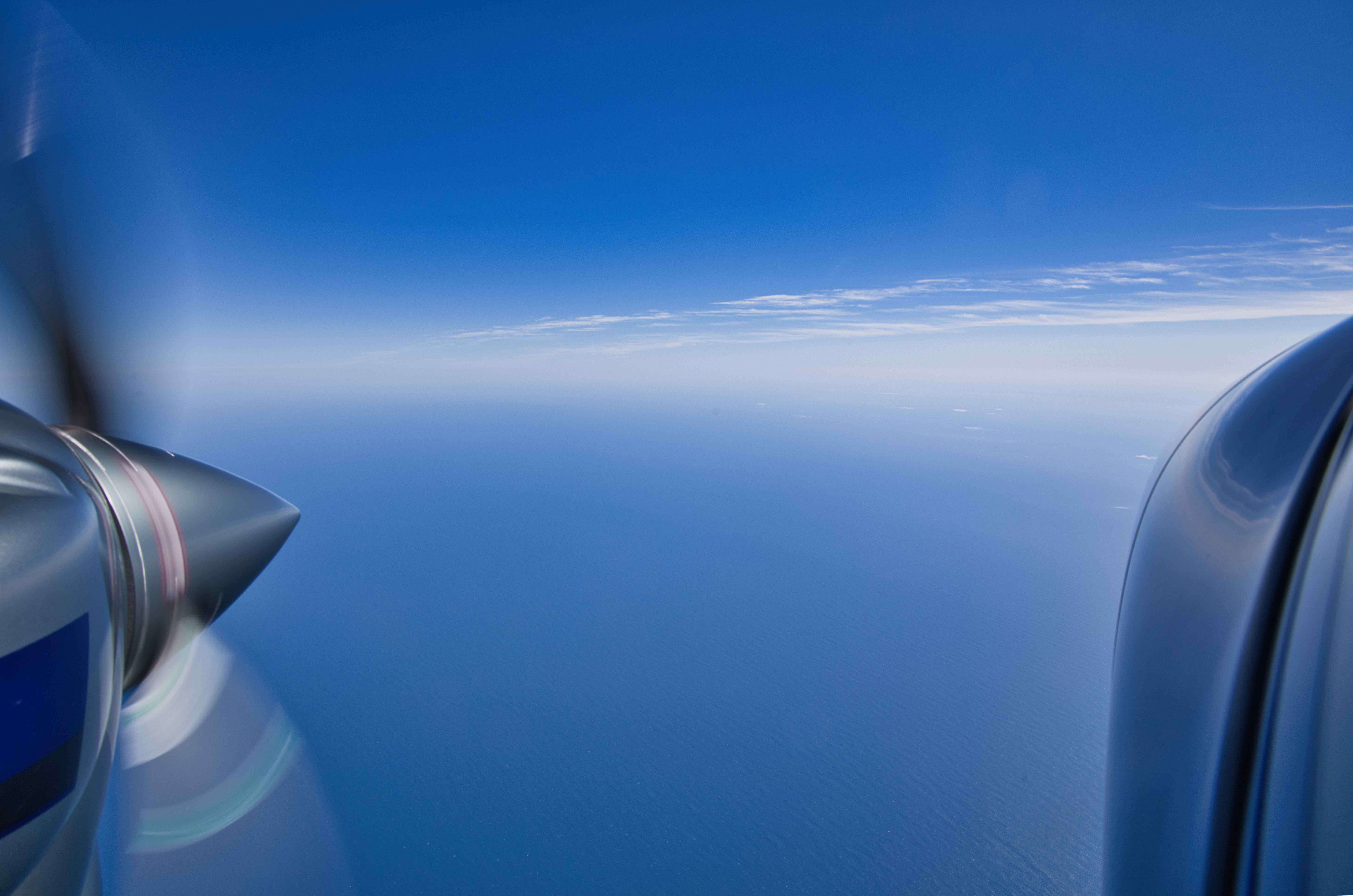
After Cascais (LPCS) I continued towards Porto Santo near Madeira, almost 480 nautical miles over the Atlantic Ocean. I stayed two nights on the island and used the day to hike three local peaks (Pico Juliana, Pico do Facho and Pico do Castelo).
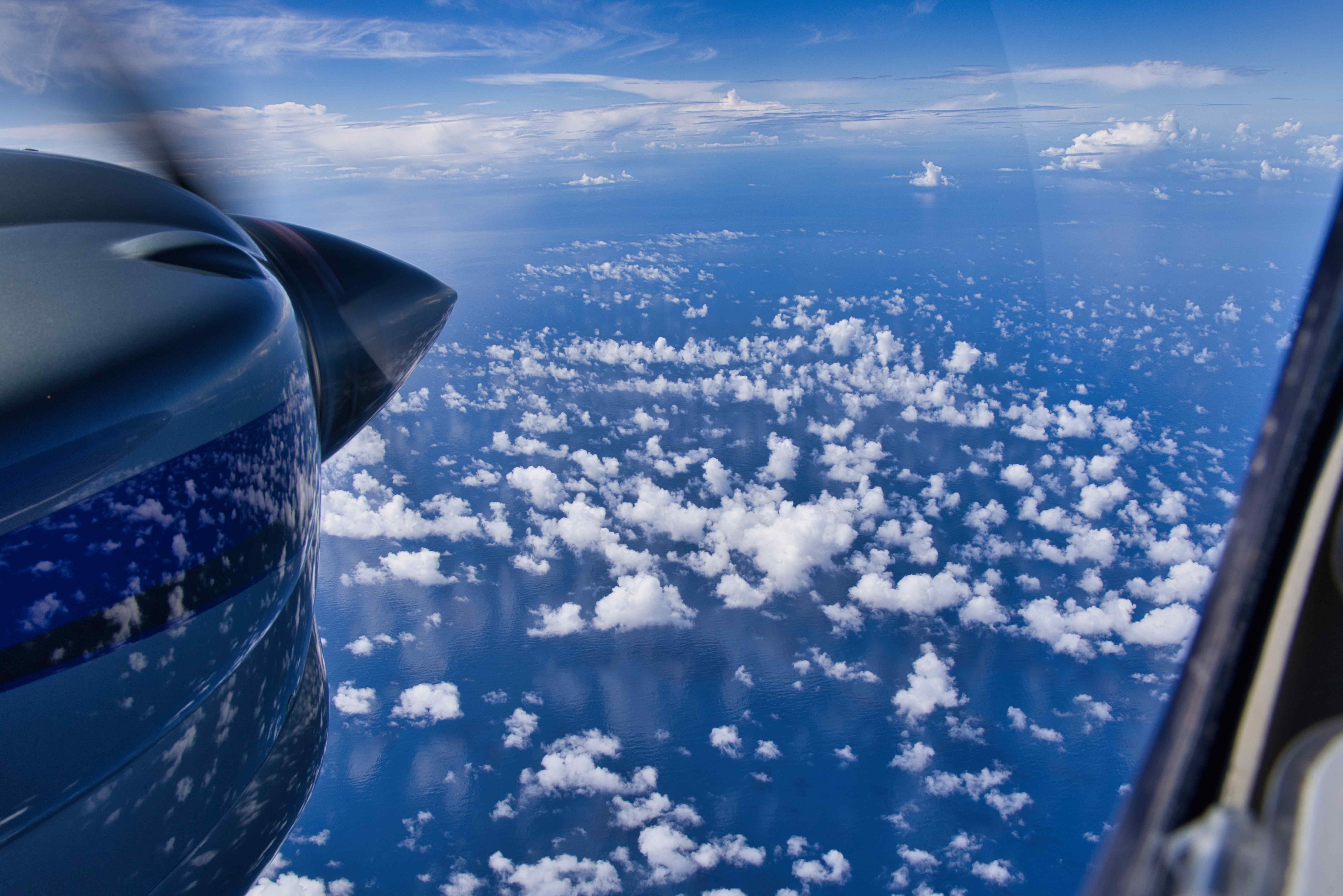
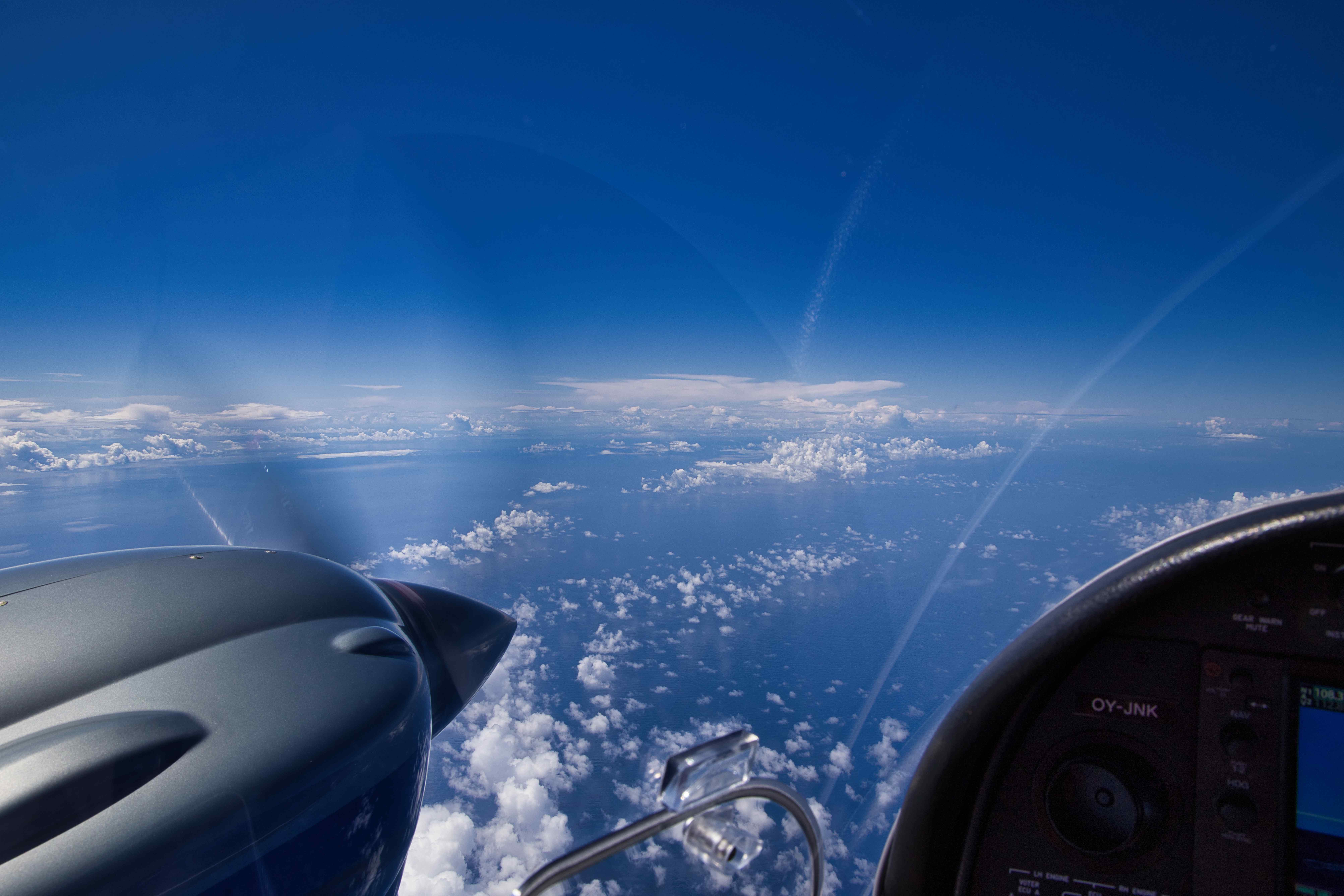




First Island – São Miguel
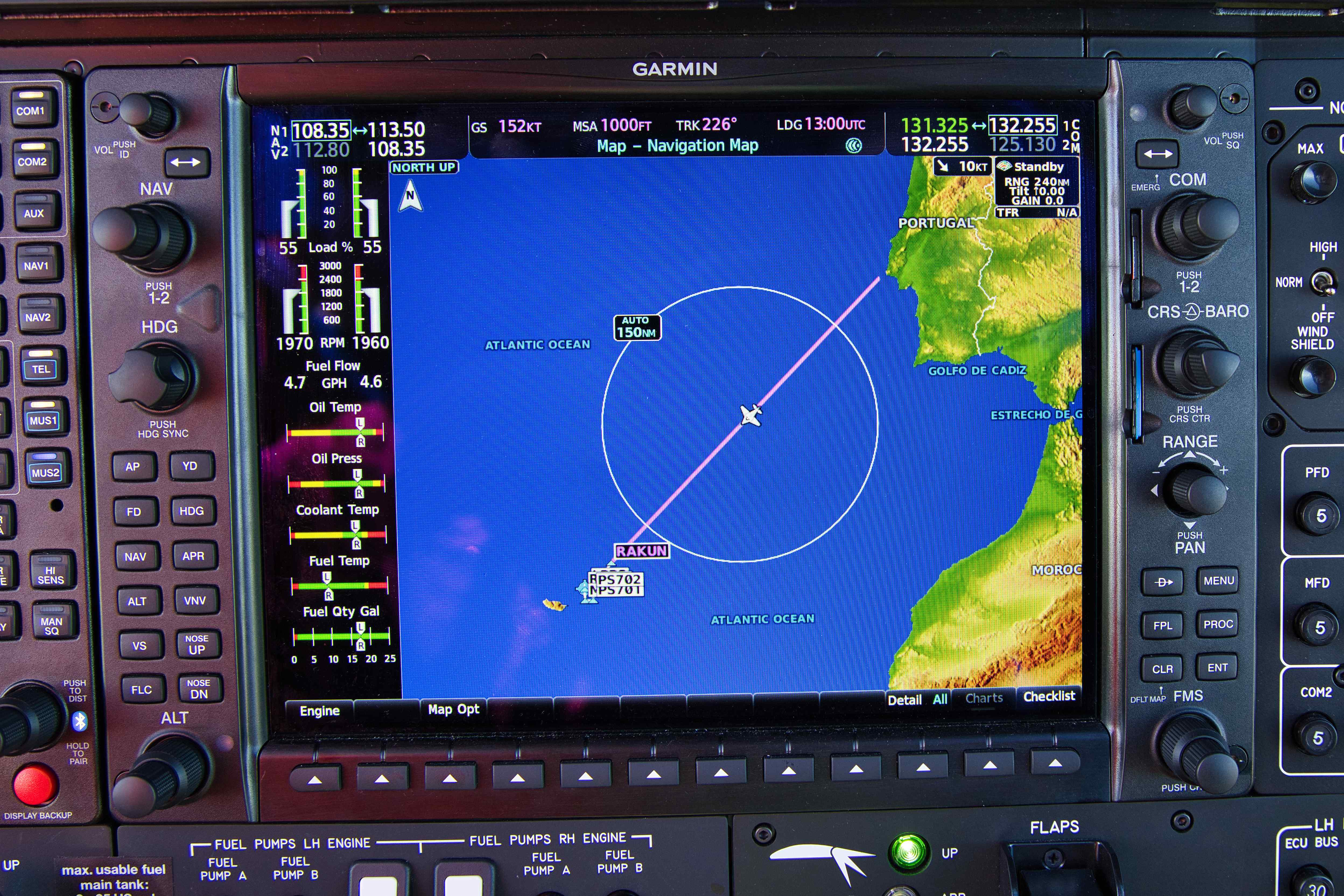
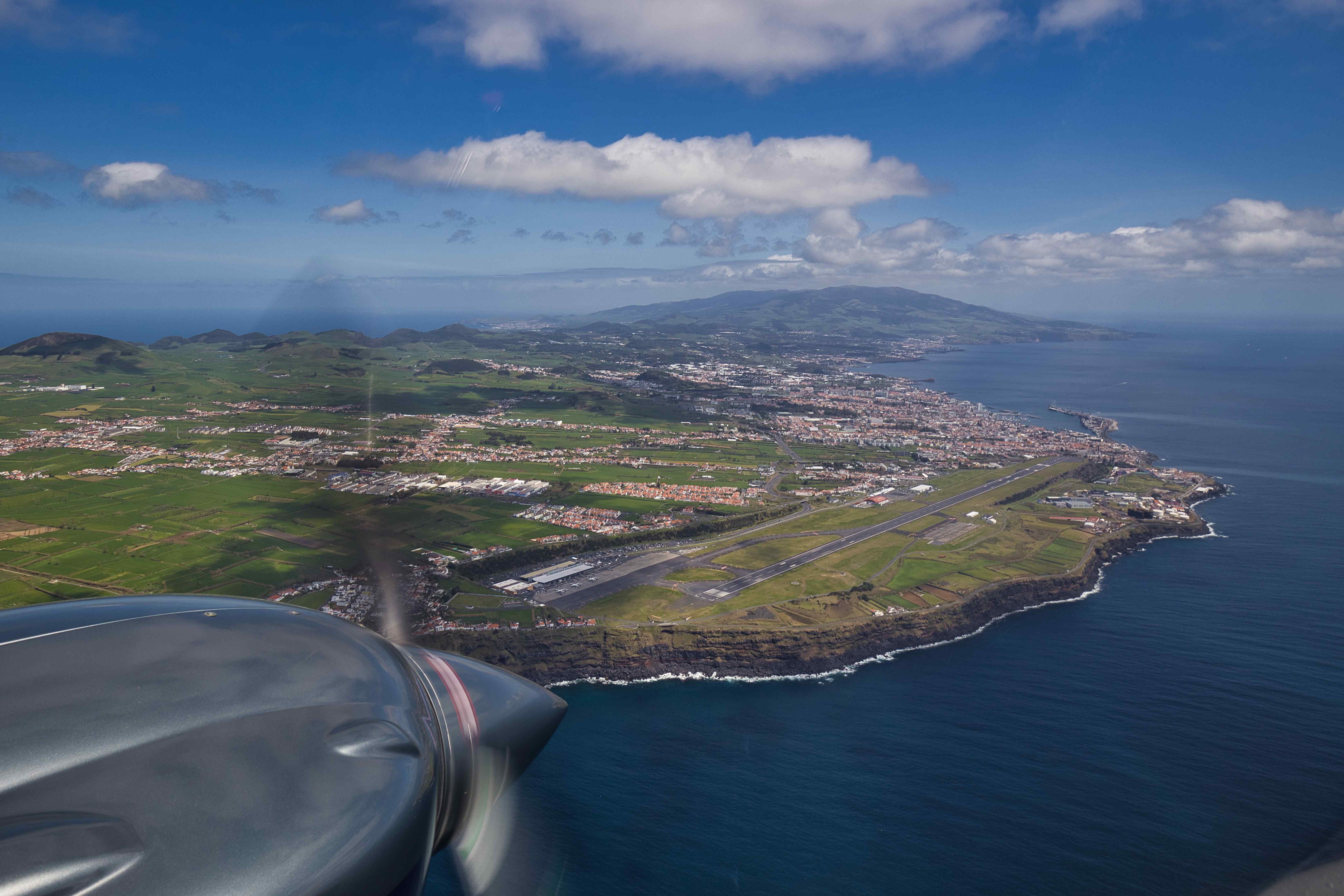
The flight from Porto Santo to São Miguel was another 530 nautical miles (980 km) over the Atlantic Ocean. Before landing I did a flightseeing tour around Sete Cidades, the huge crater on the western end of the island.

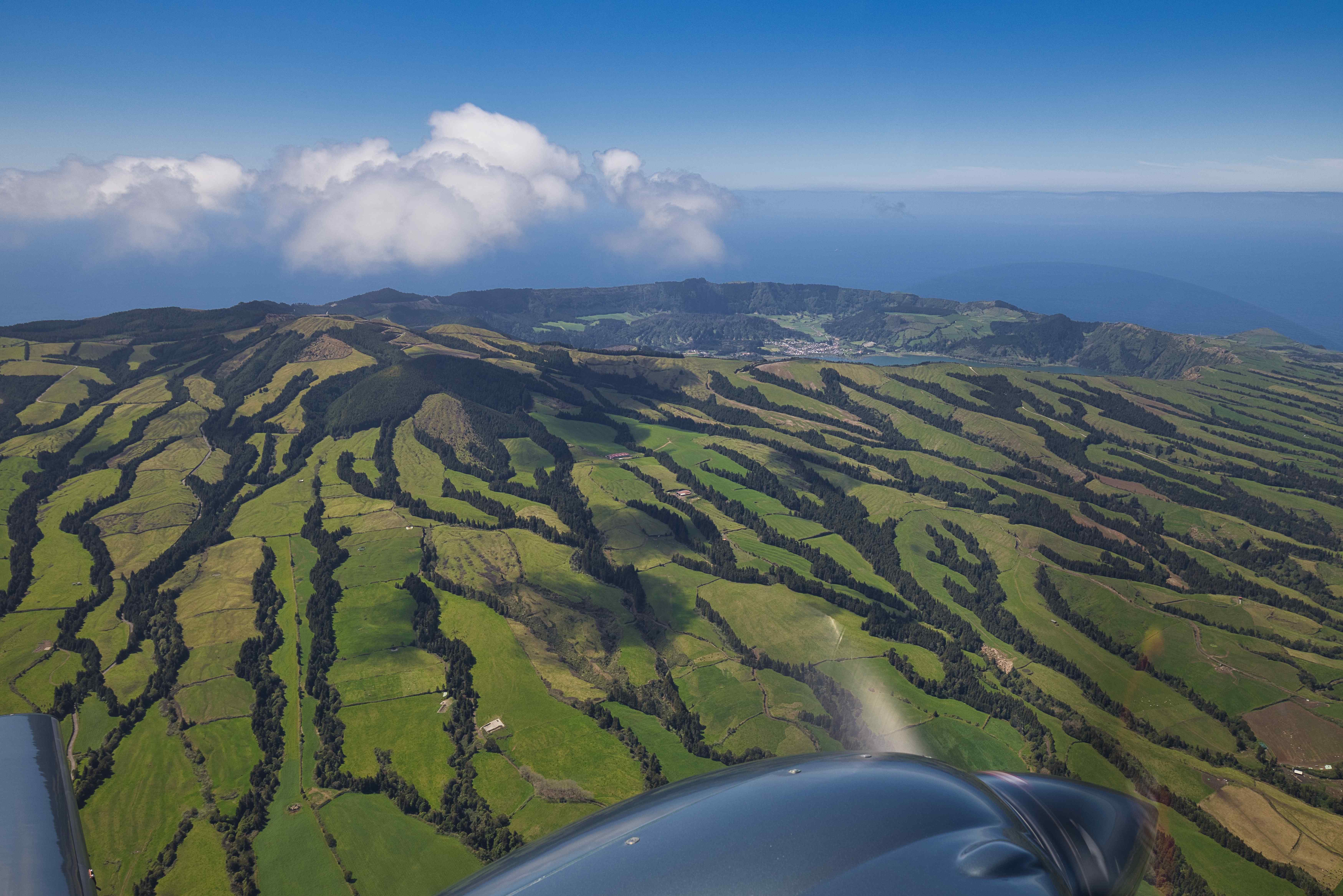
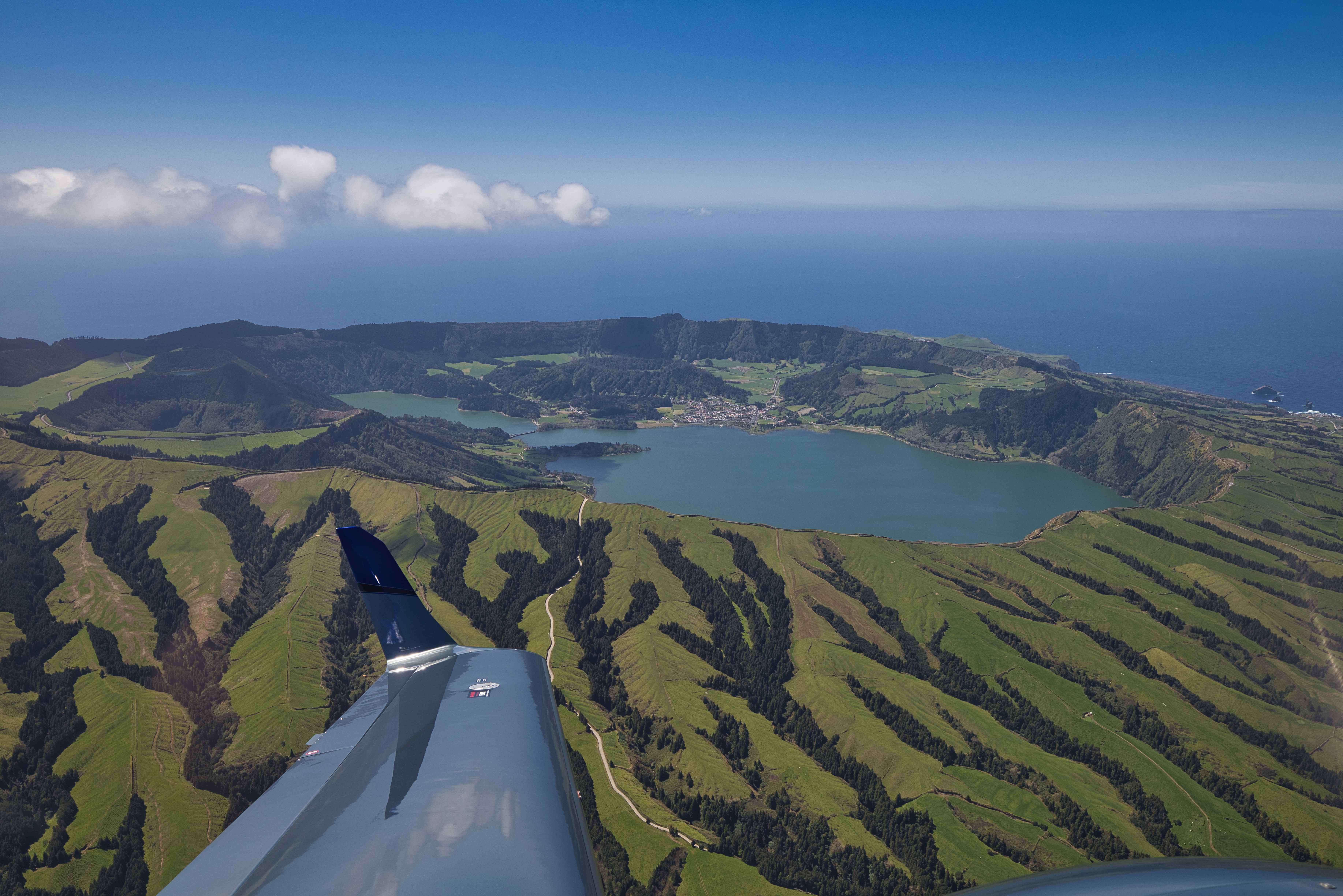
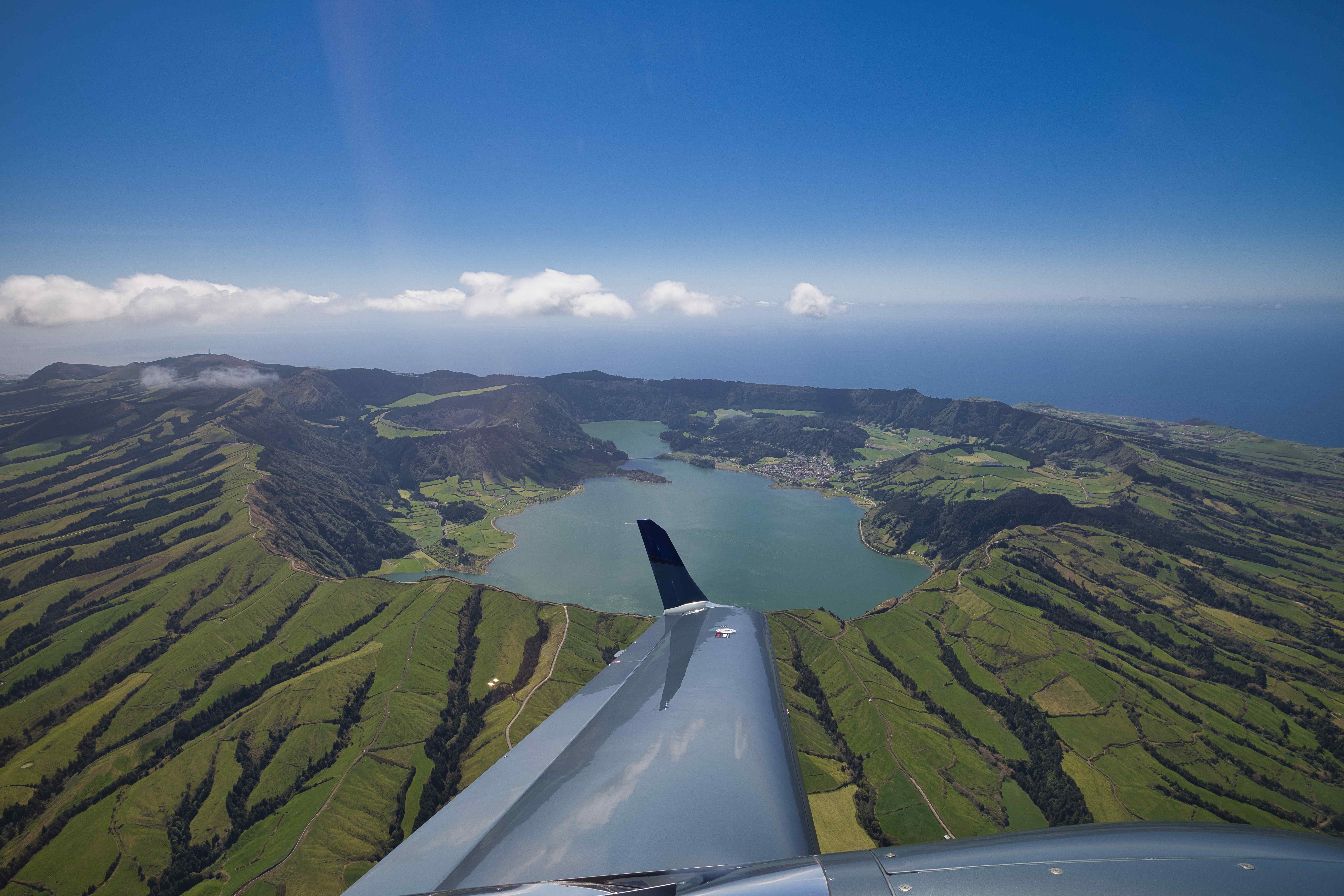
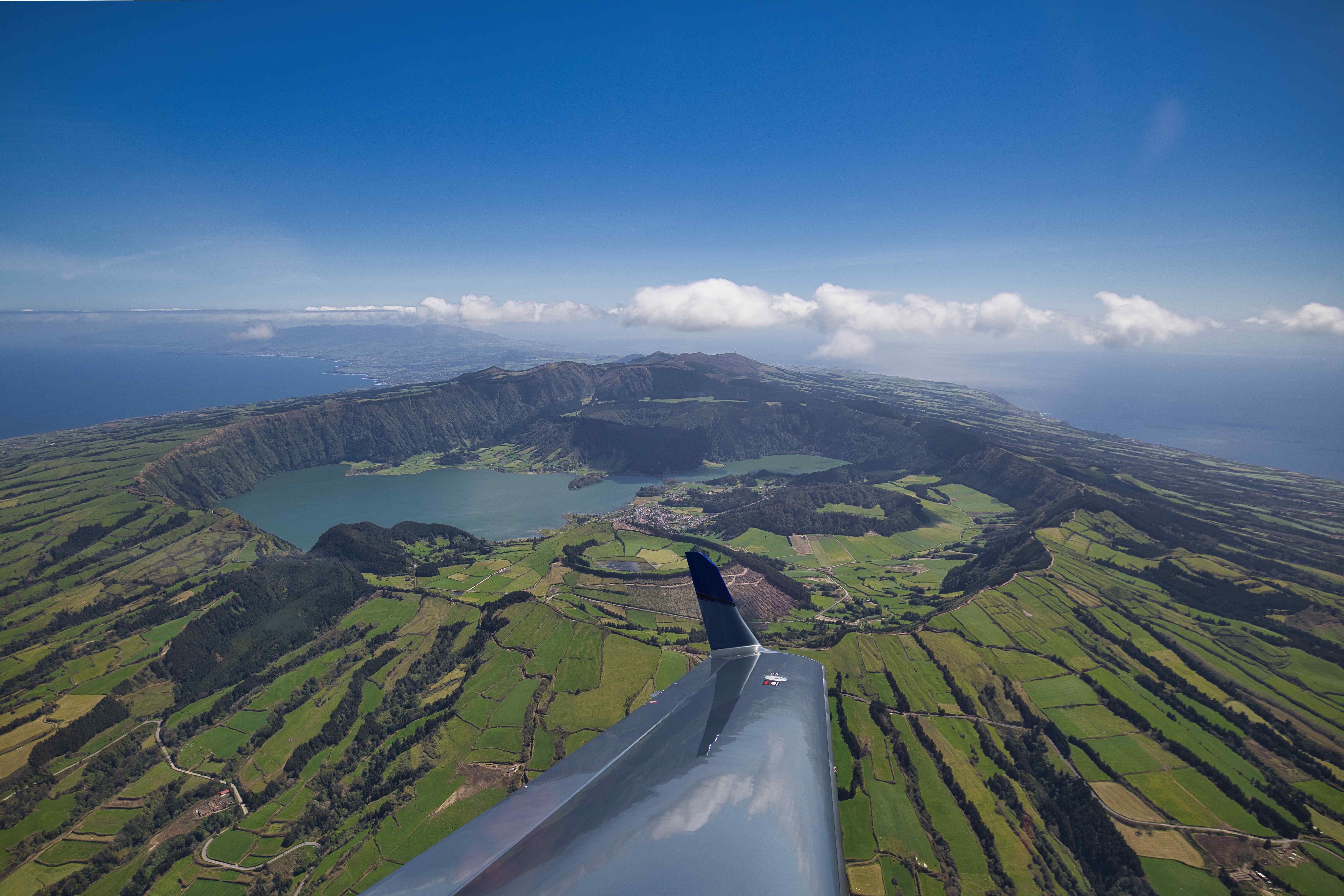



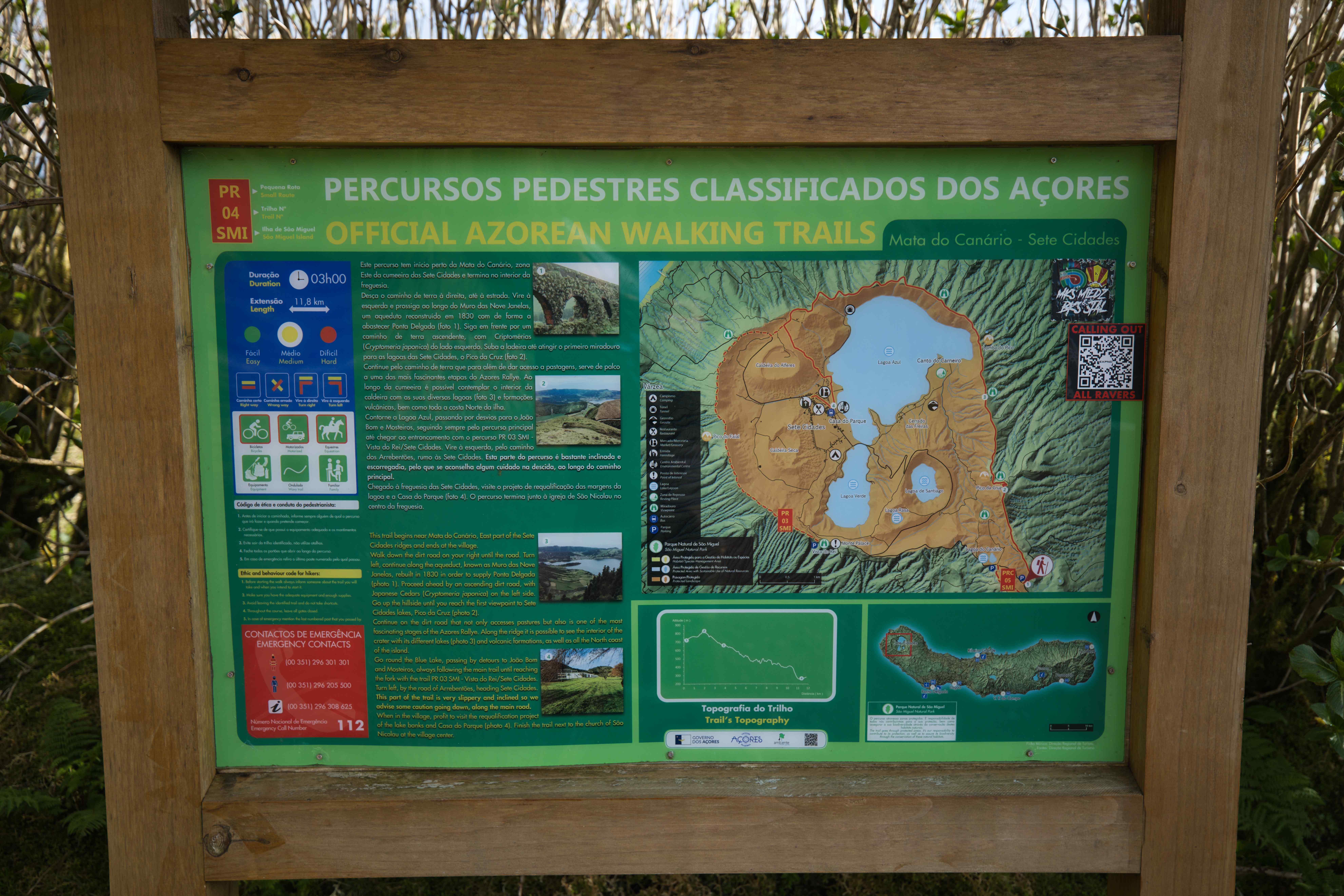
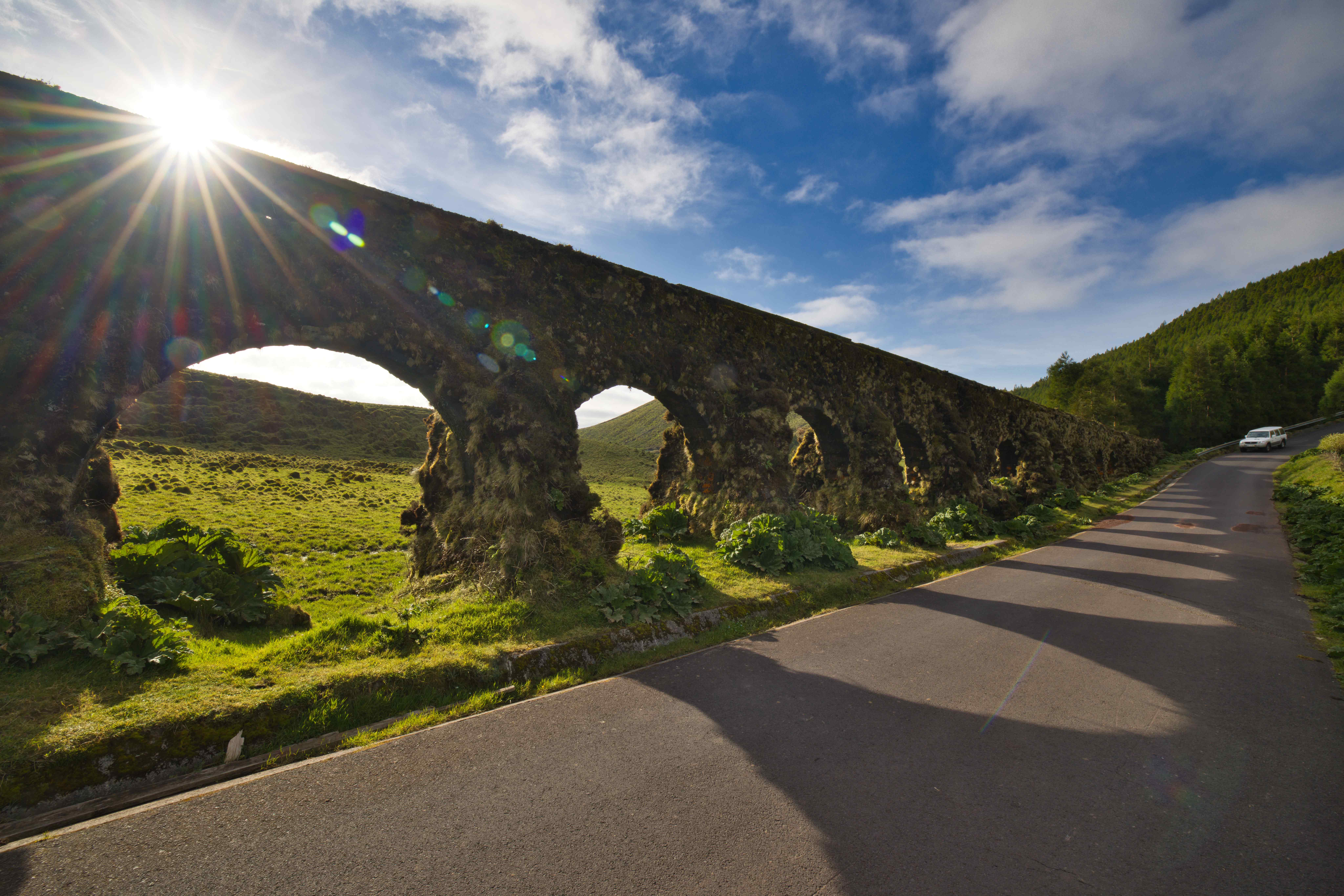
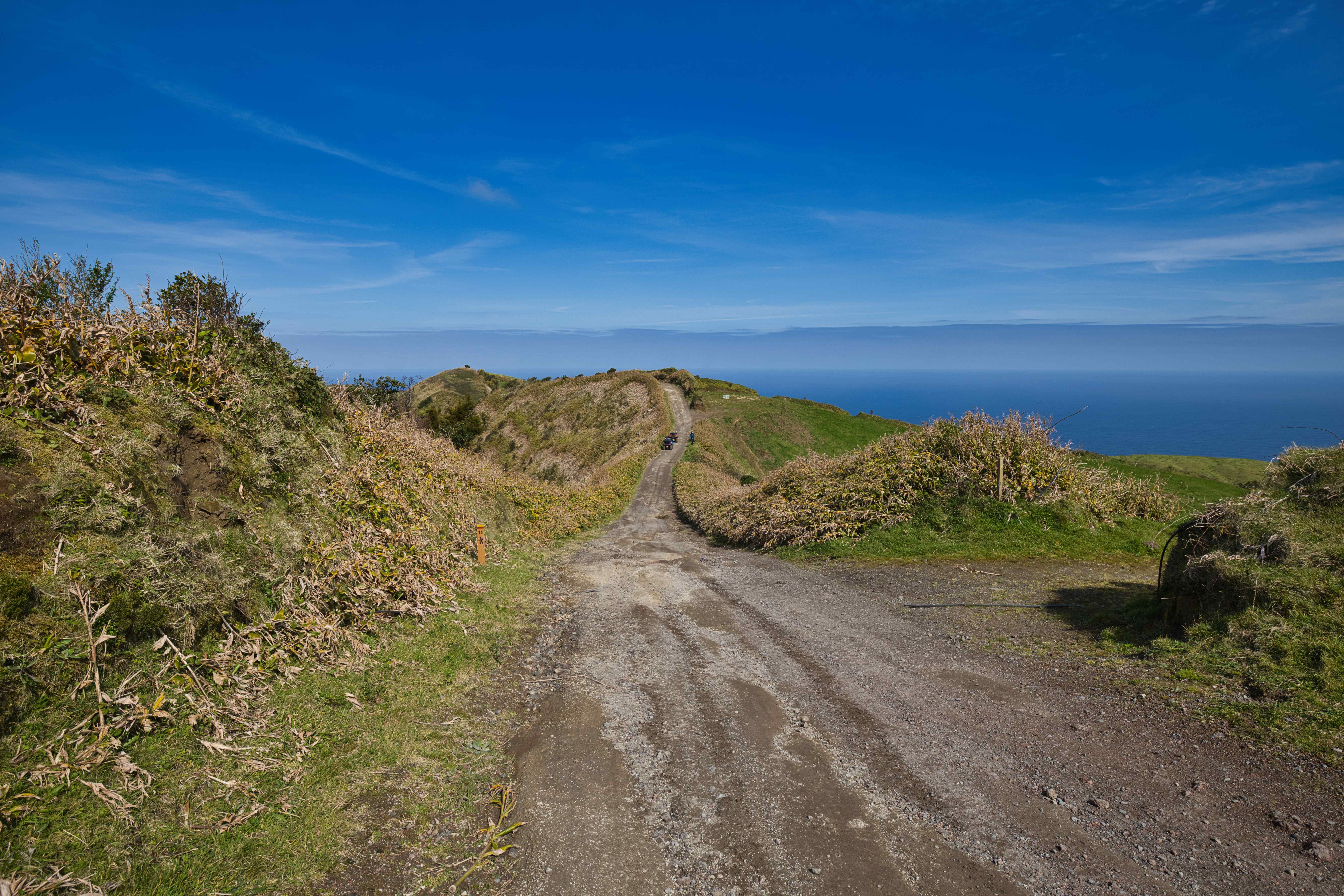
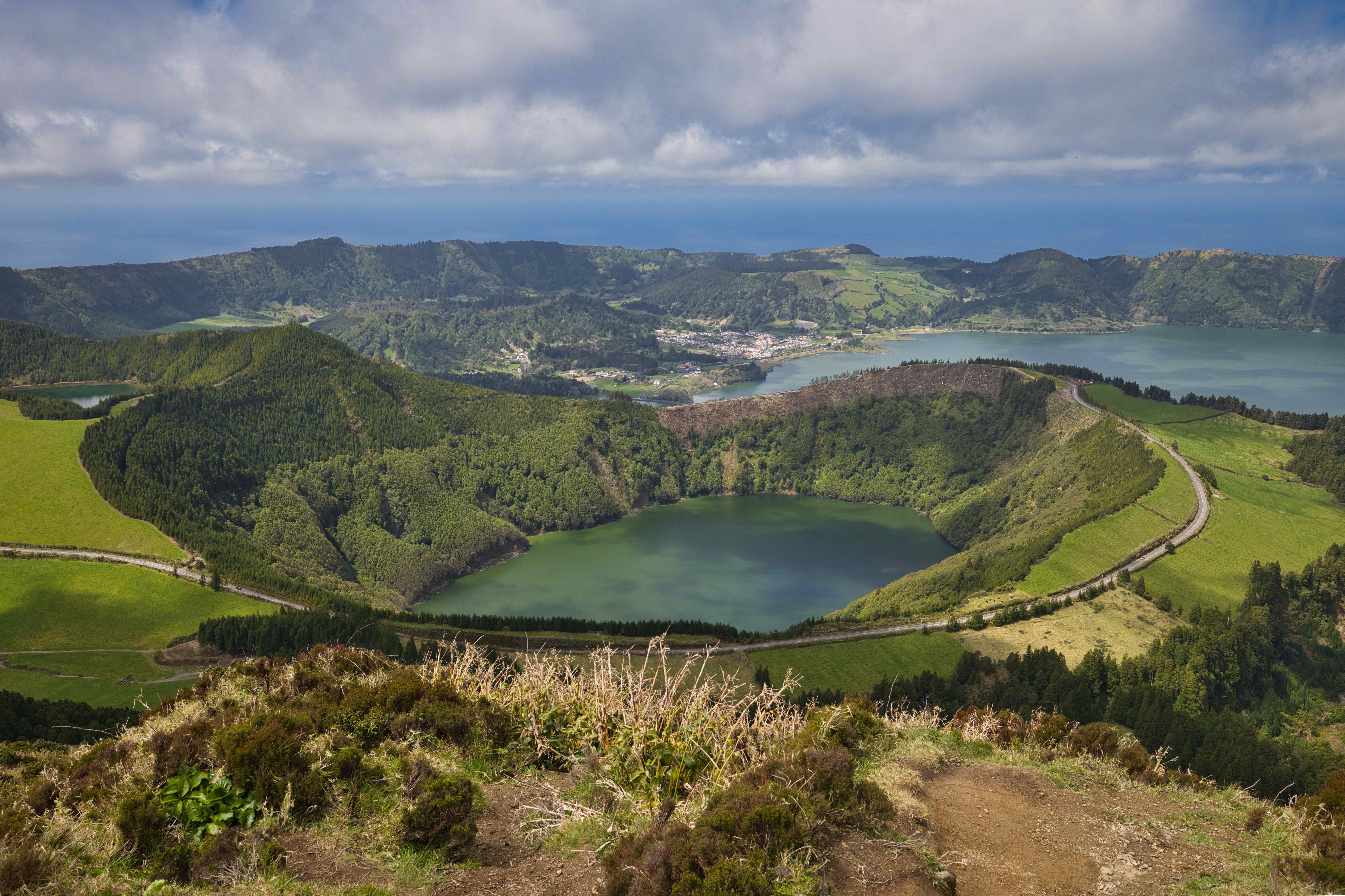
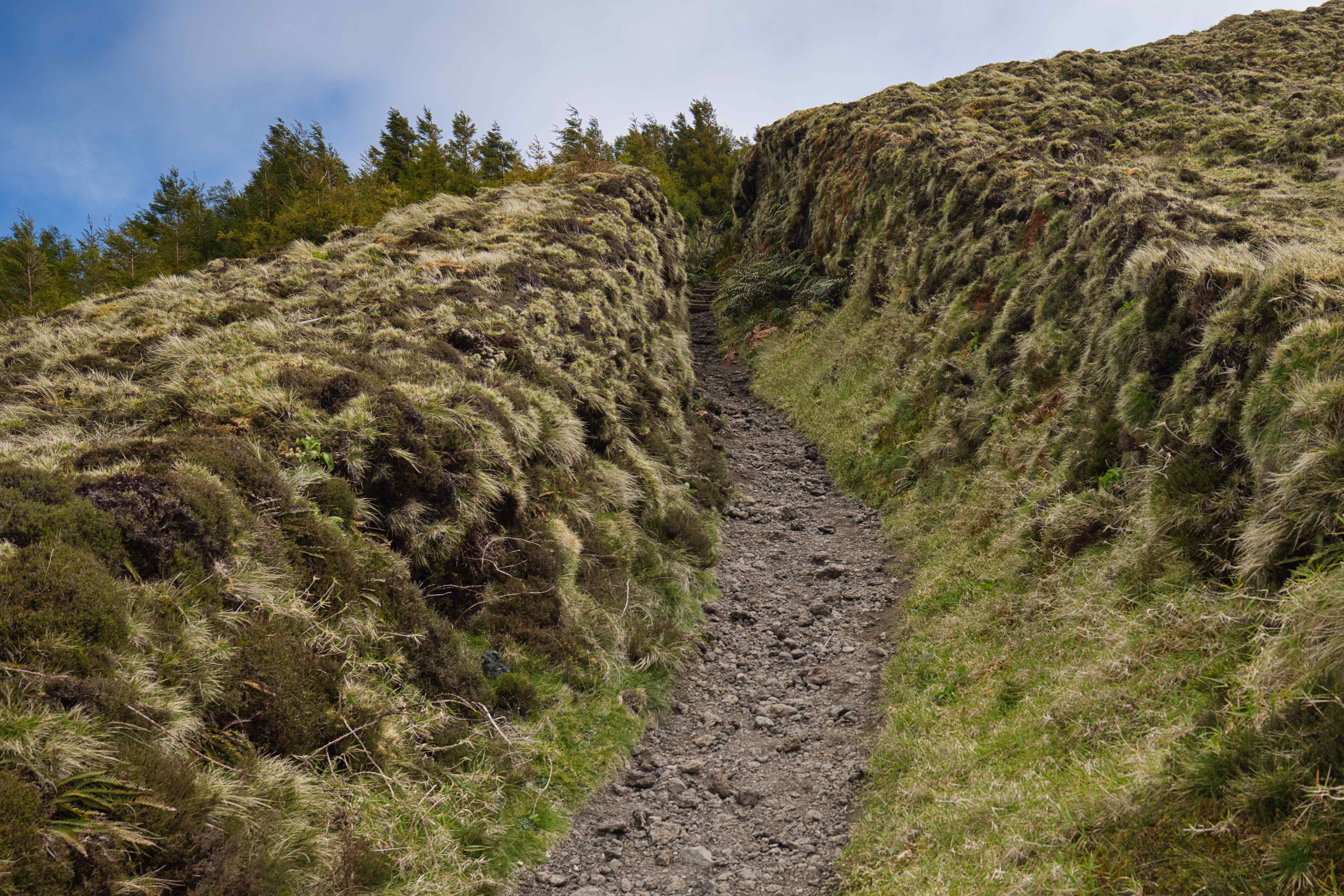
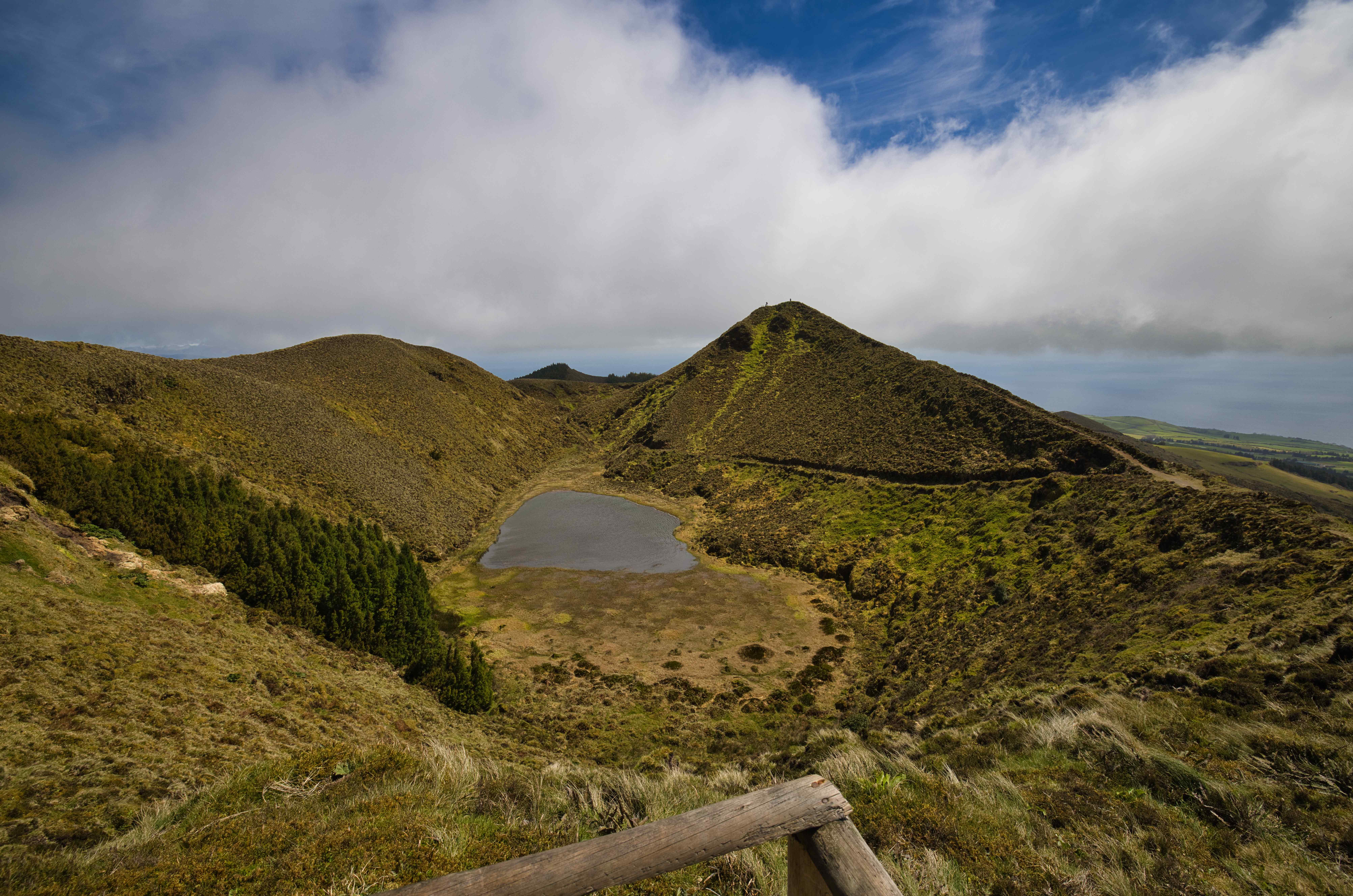
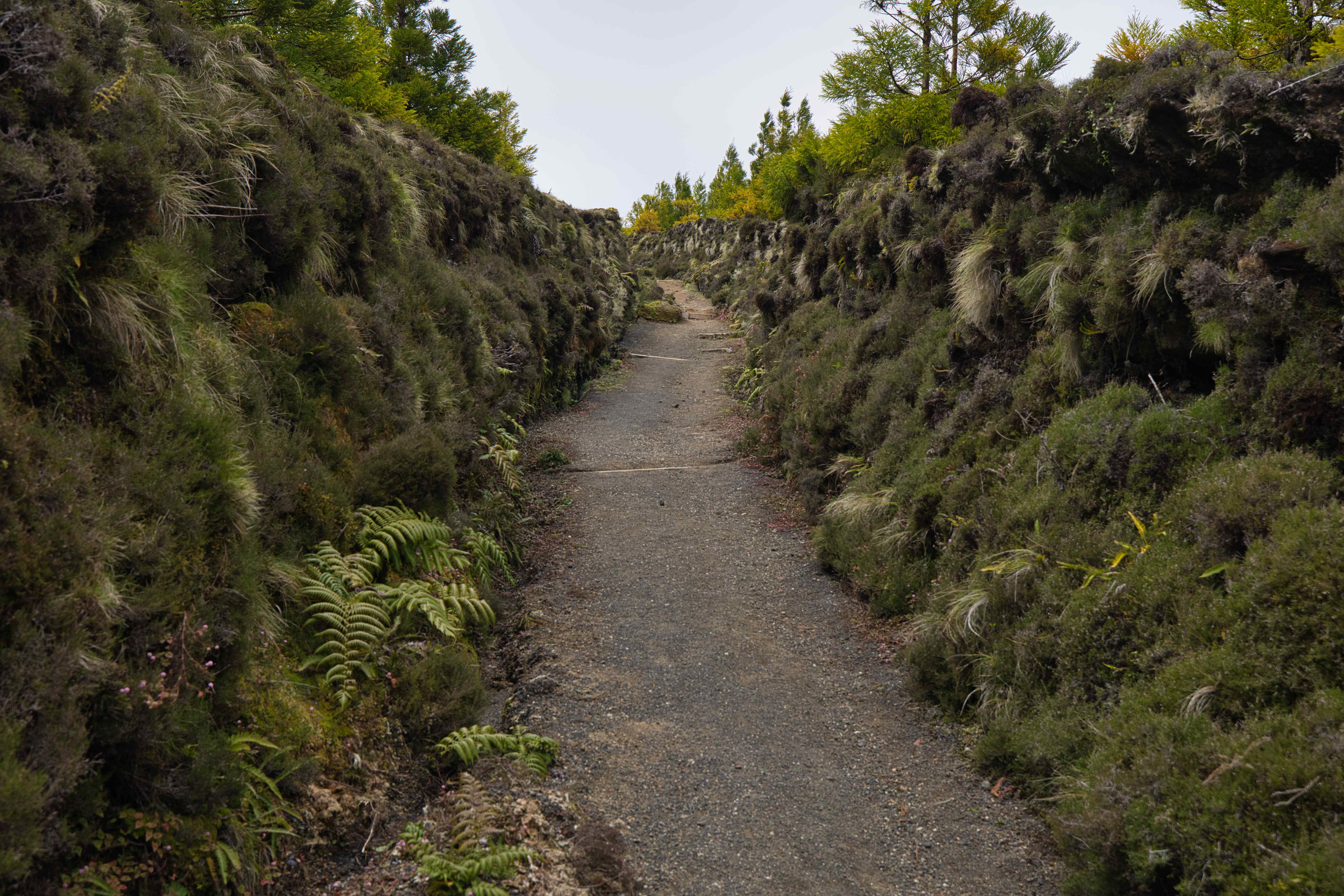
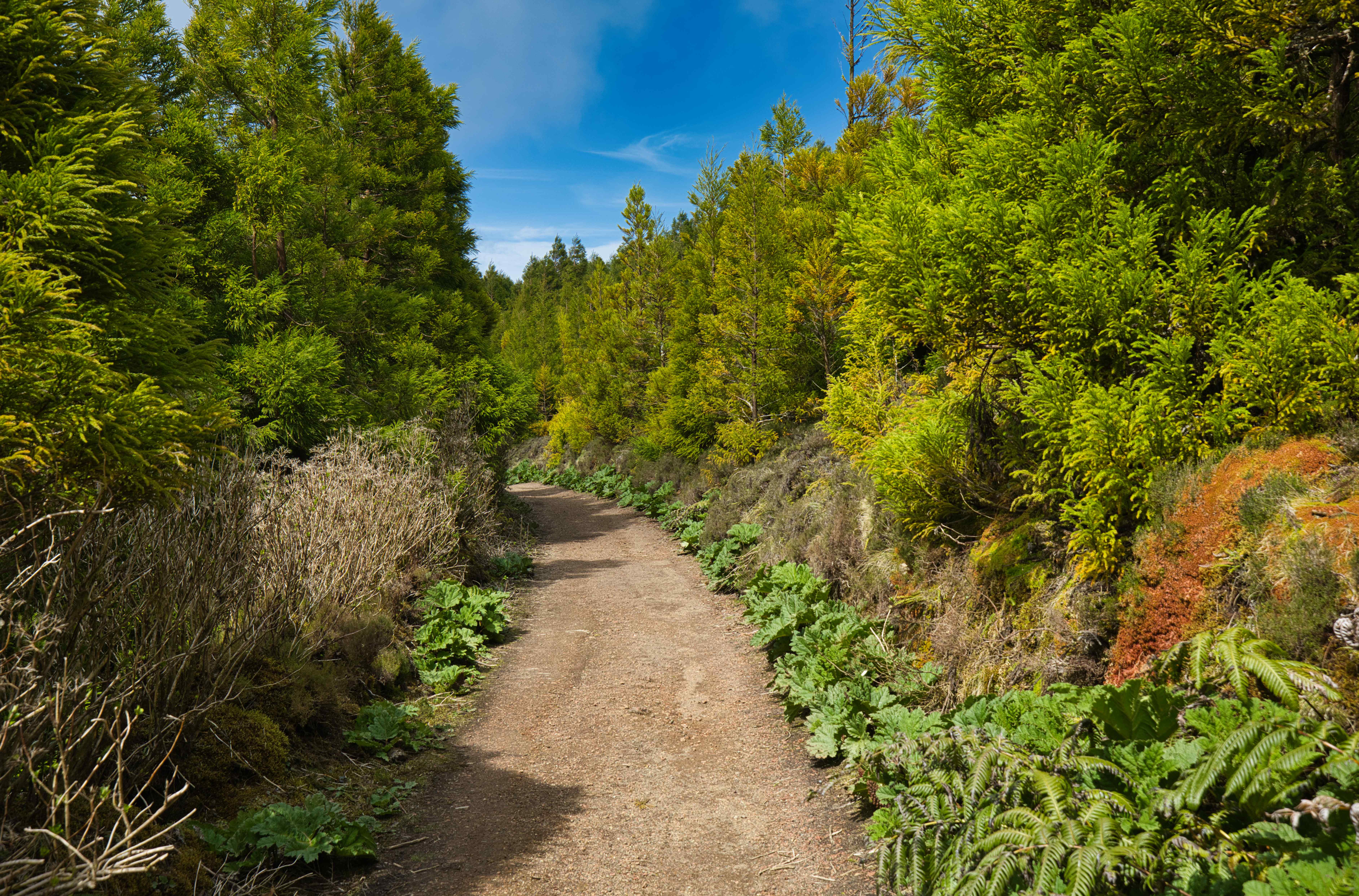
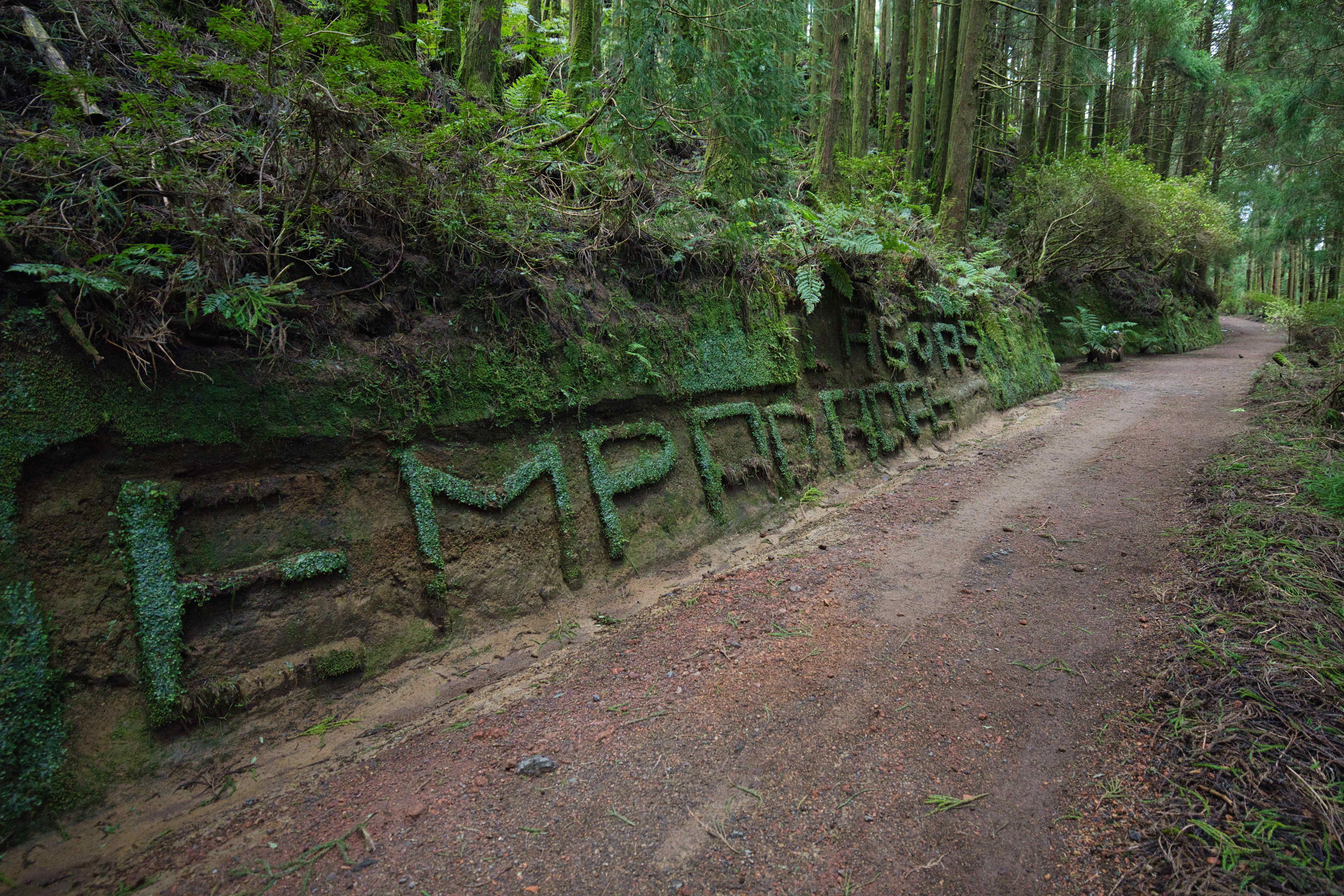
I spent two nights on my first island on the Azores. This way I was able to hike all the way around Sete Cidades, a 28 km hike, including numerous detours on the way. The weather was awesome with beautiful sunshine throughout the day.



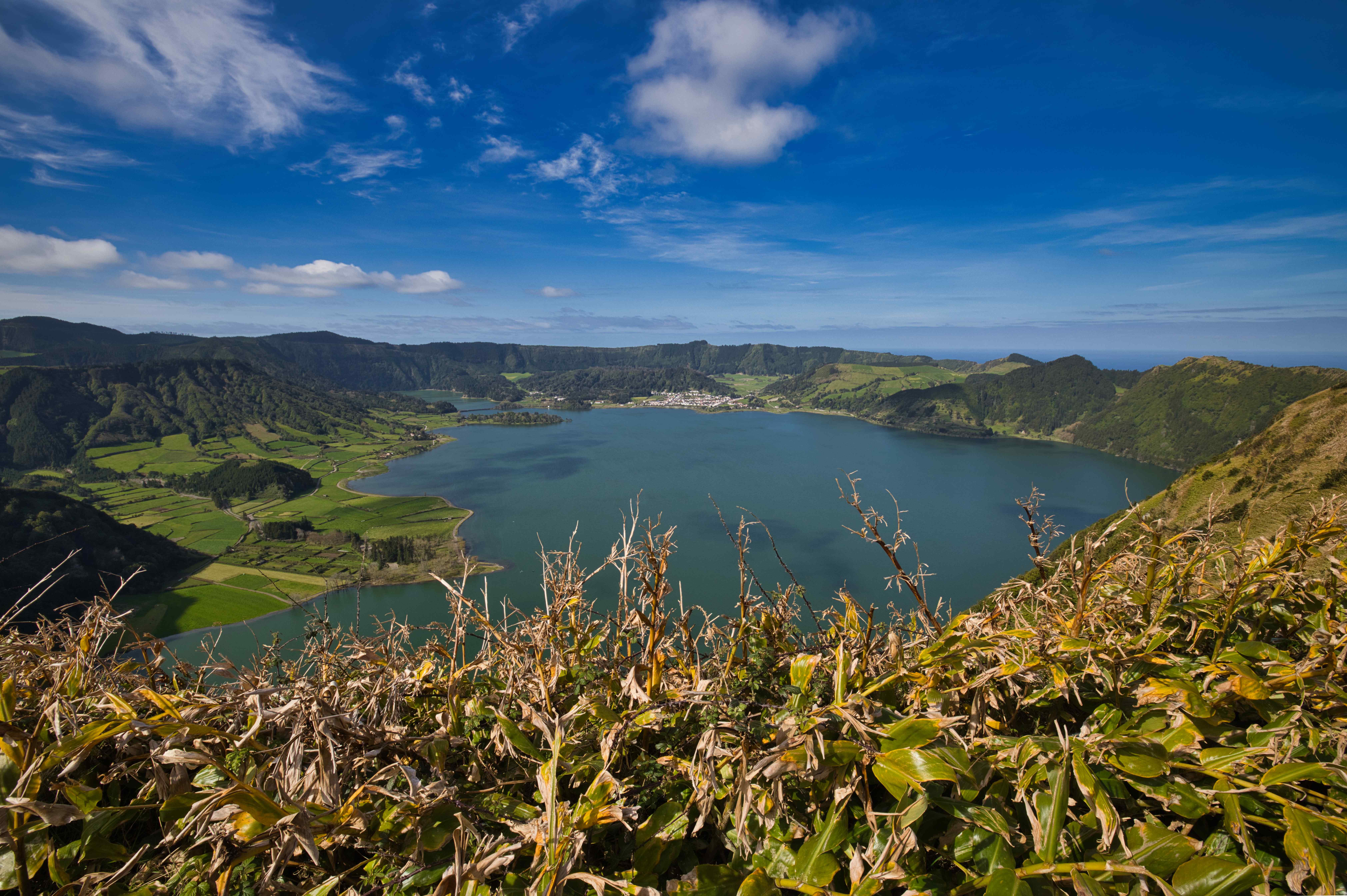

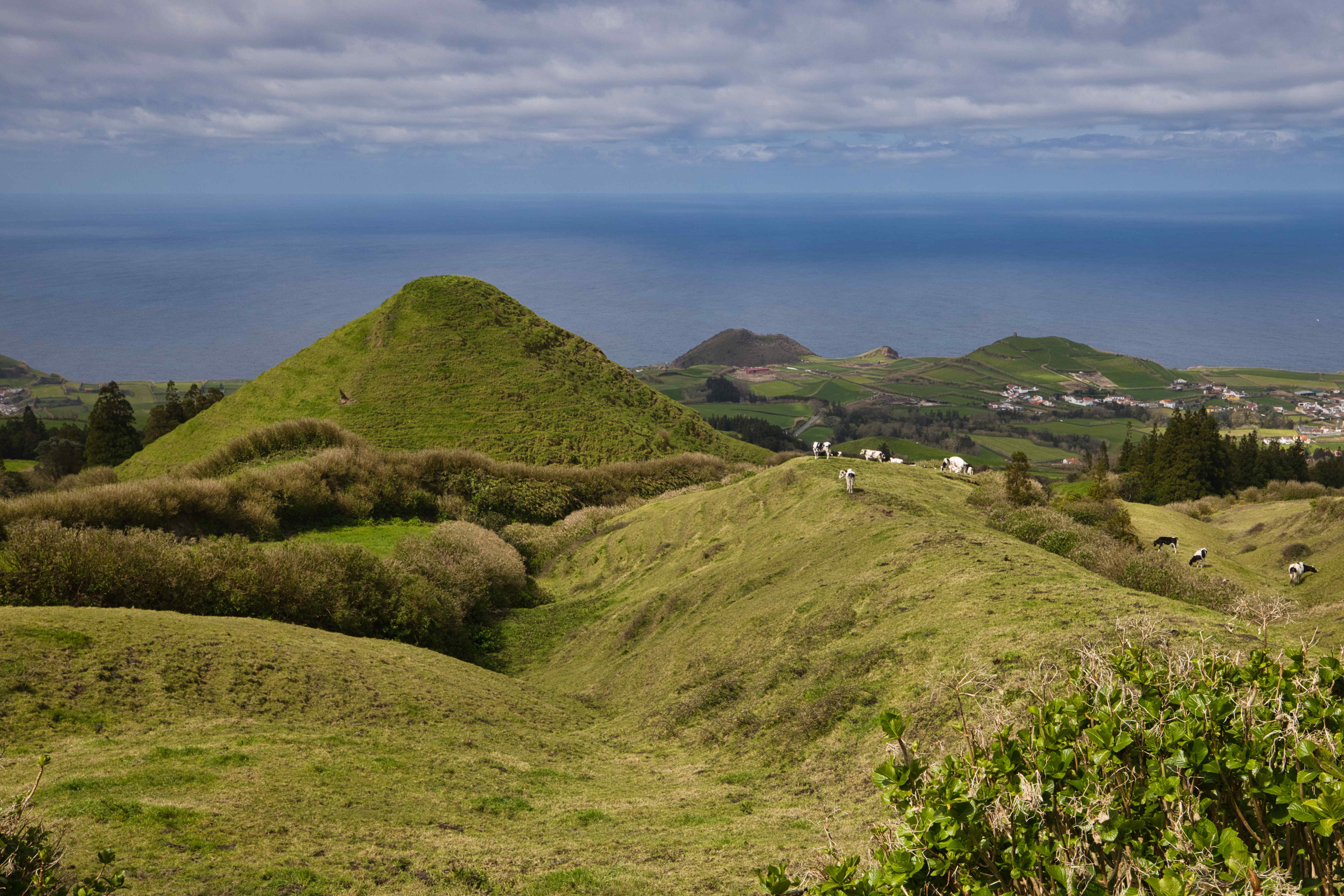

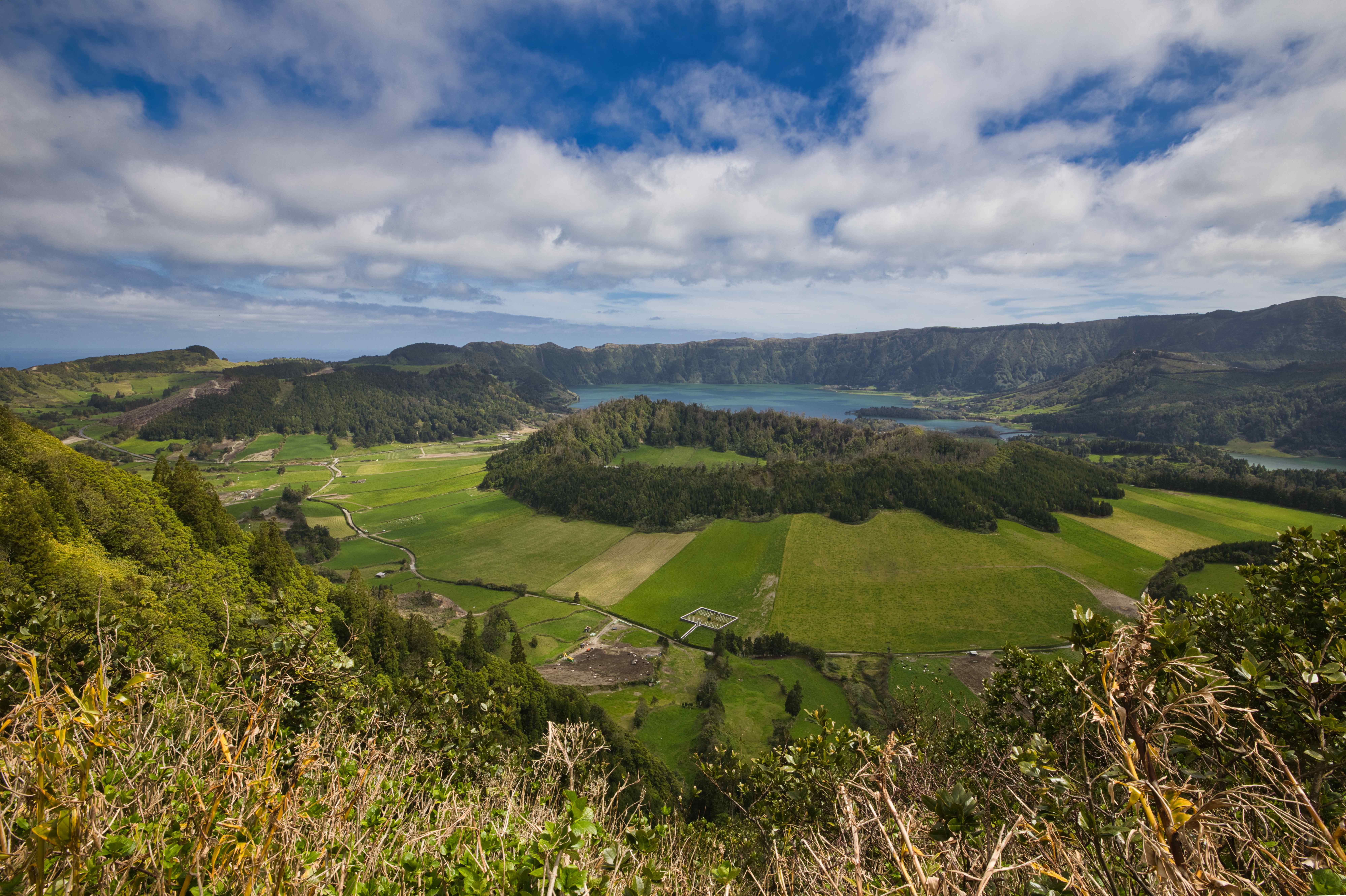

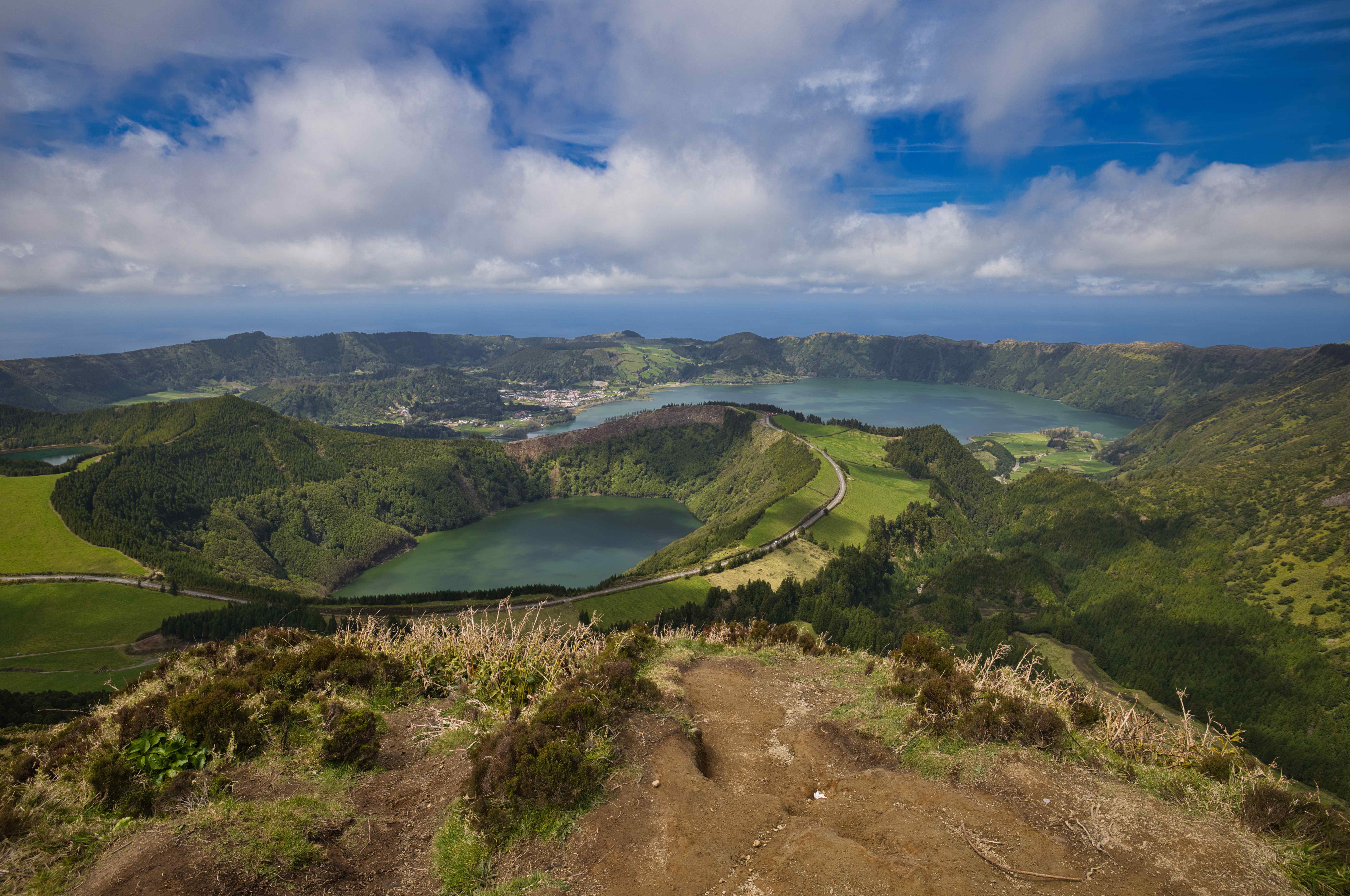





Second Island – São Jorge
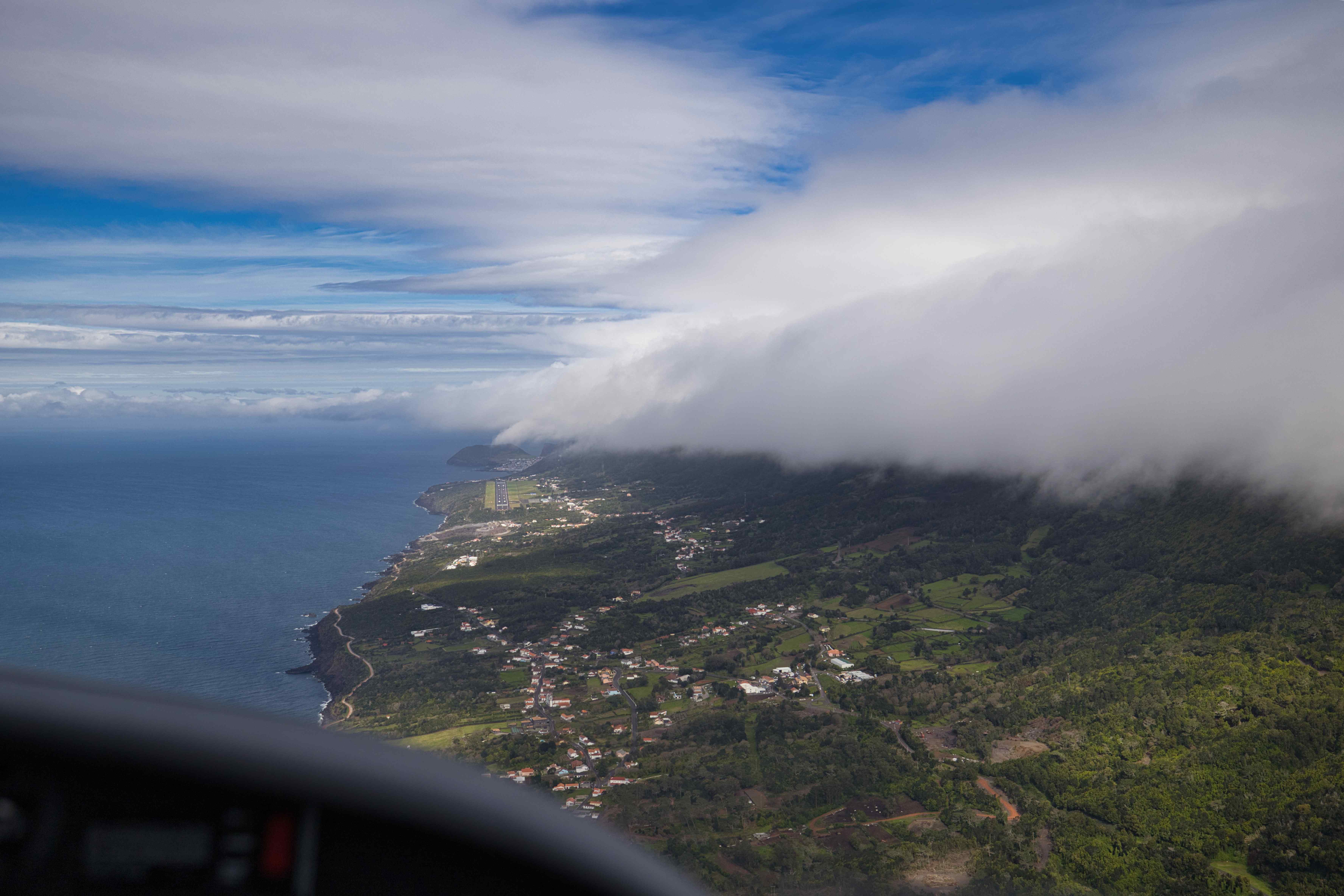
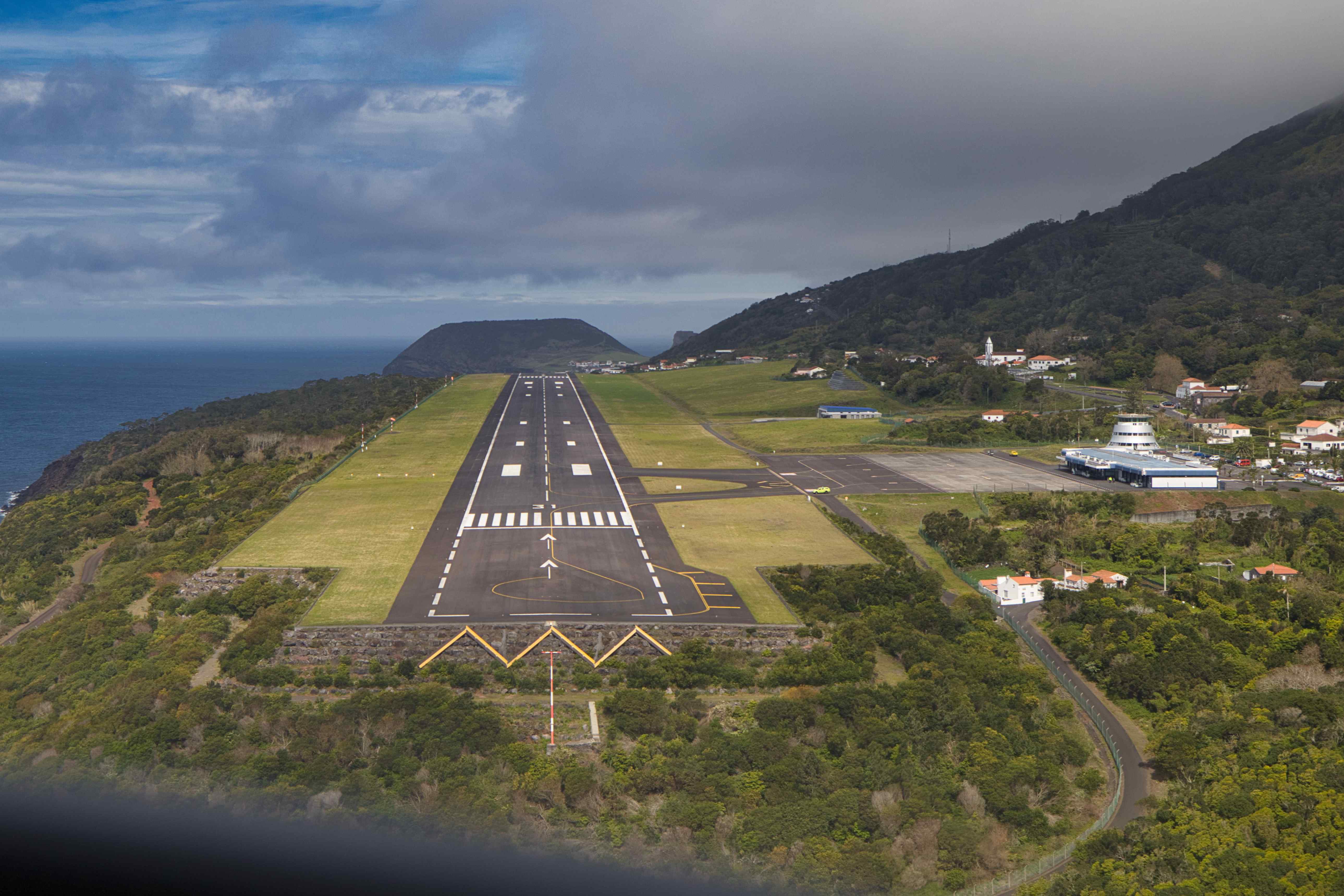
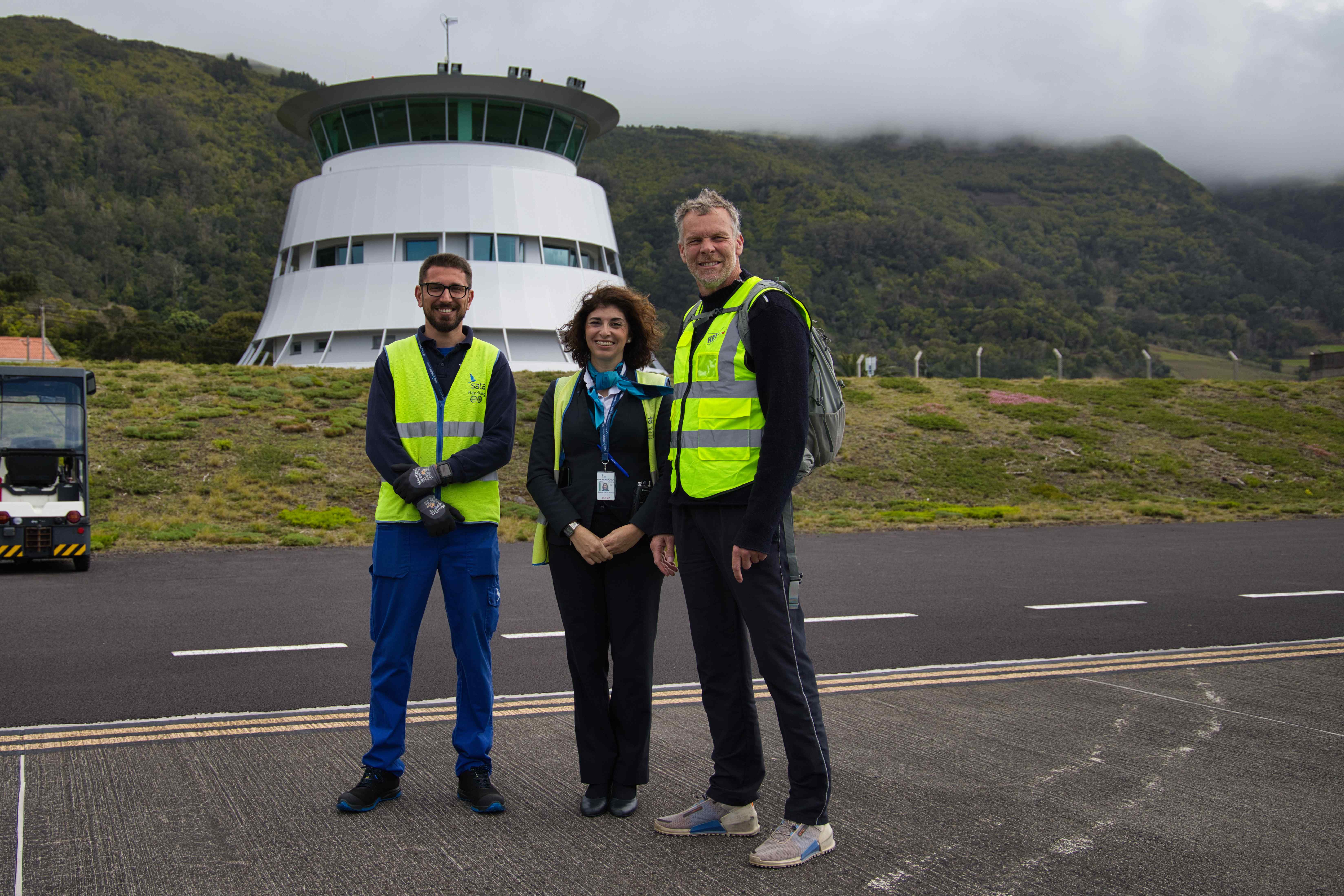
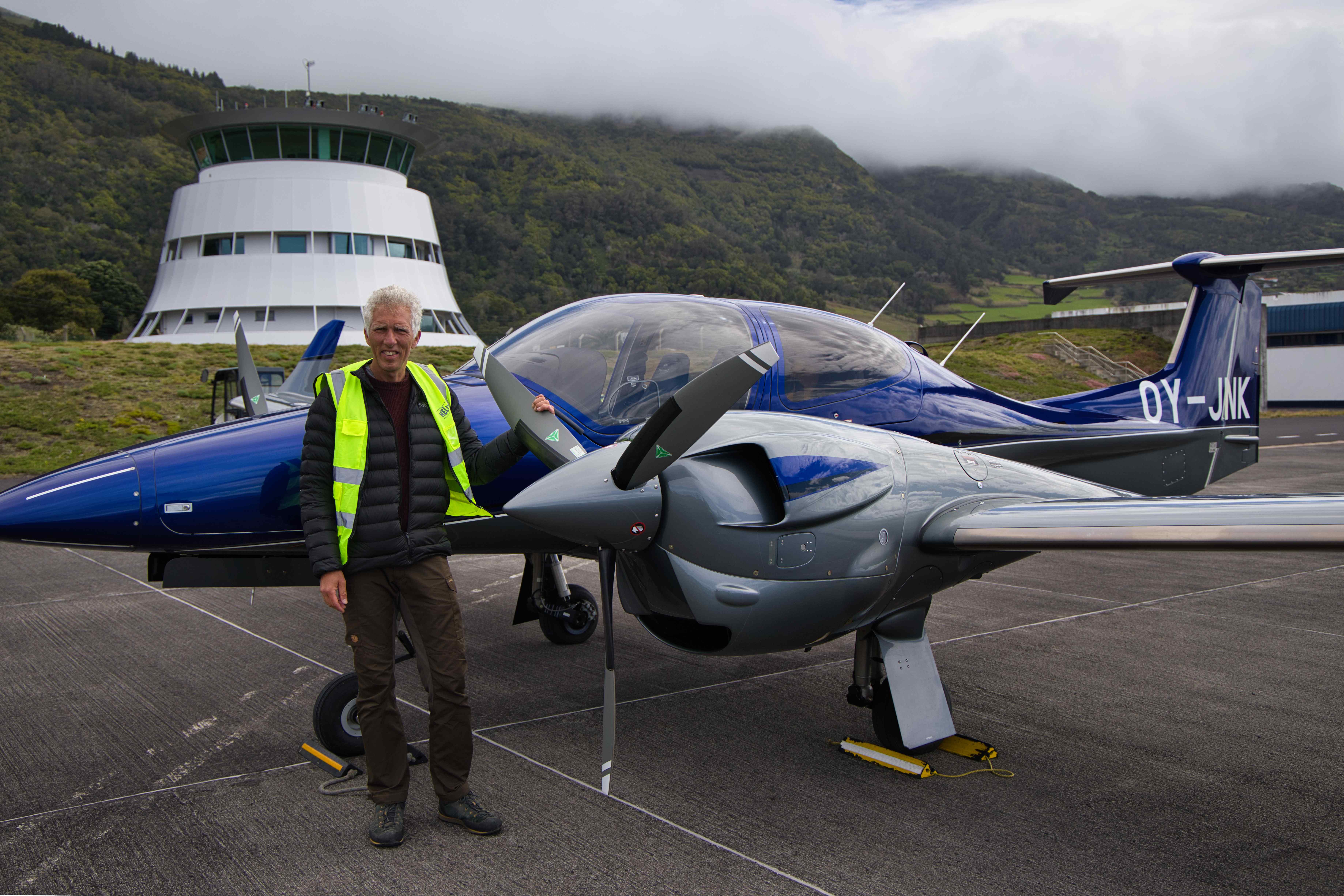
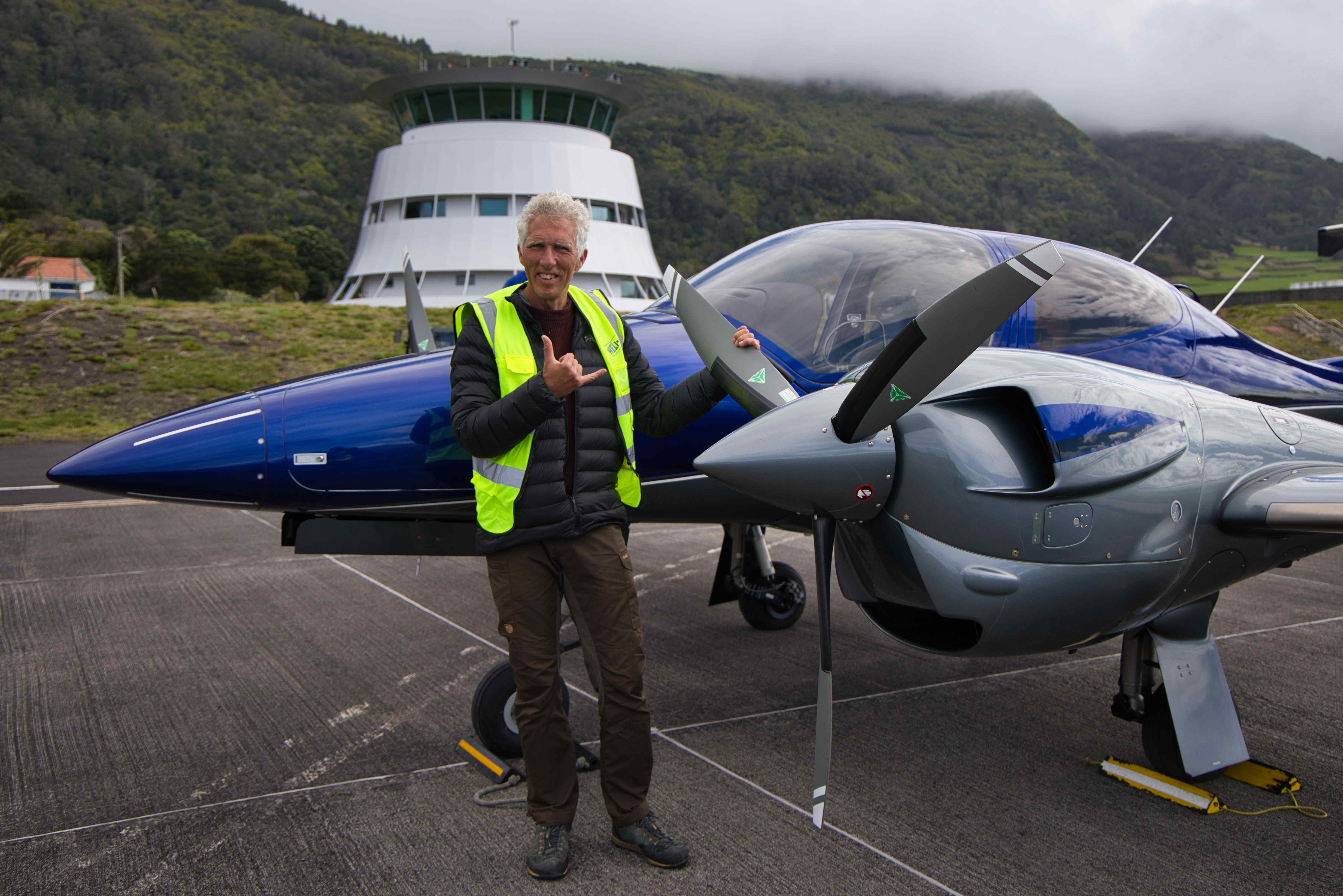
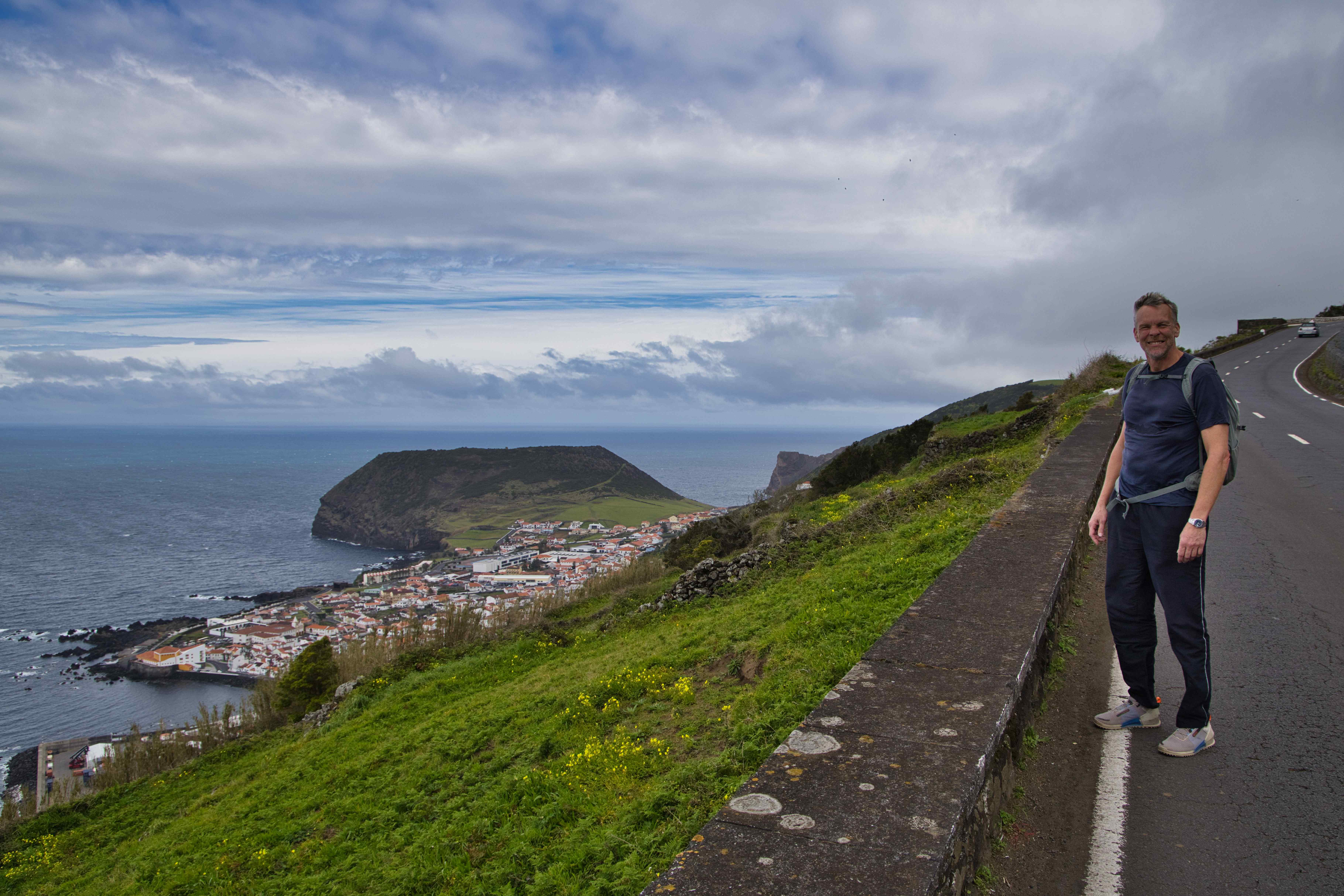
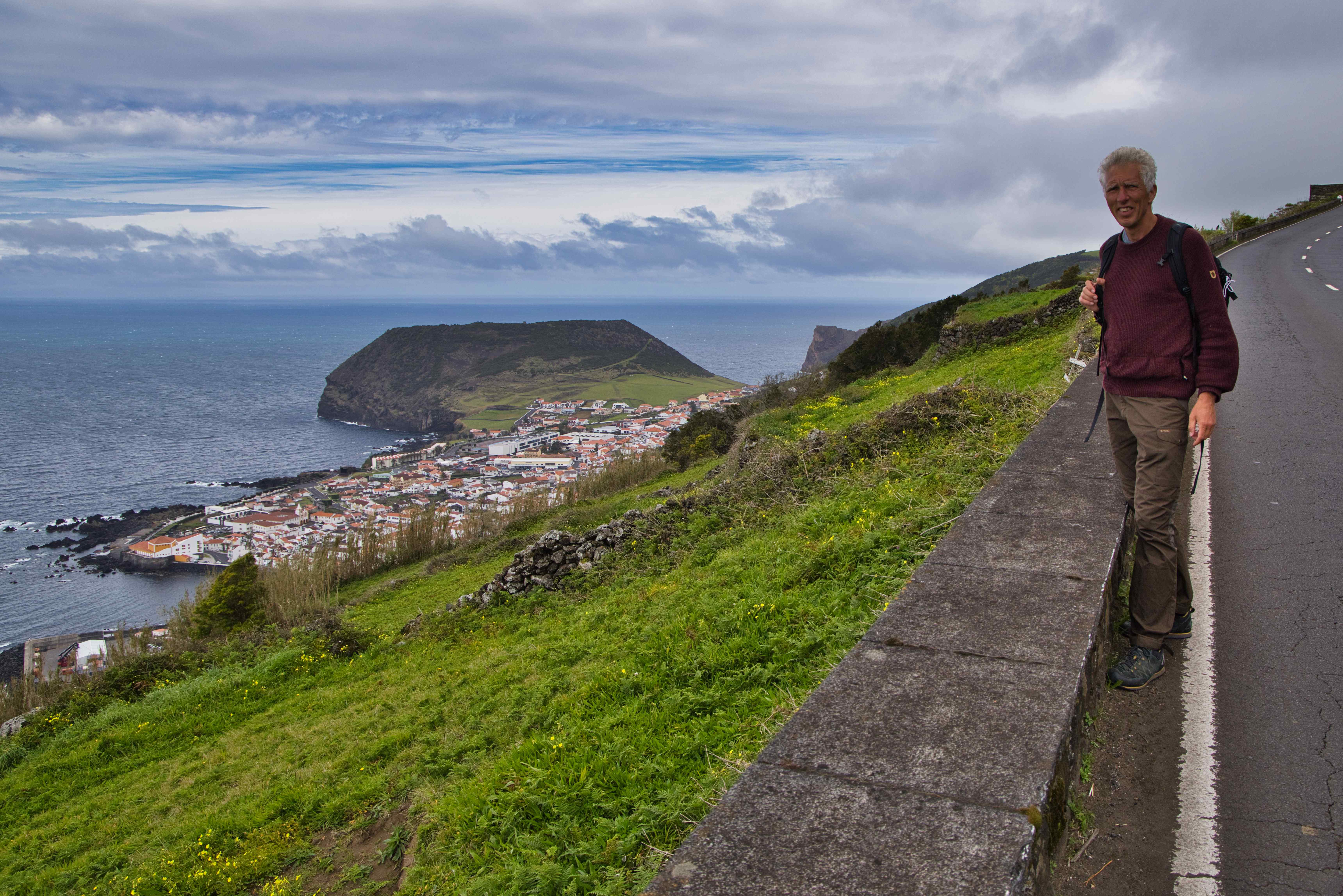
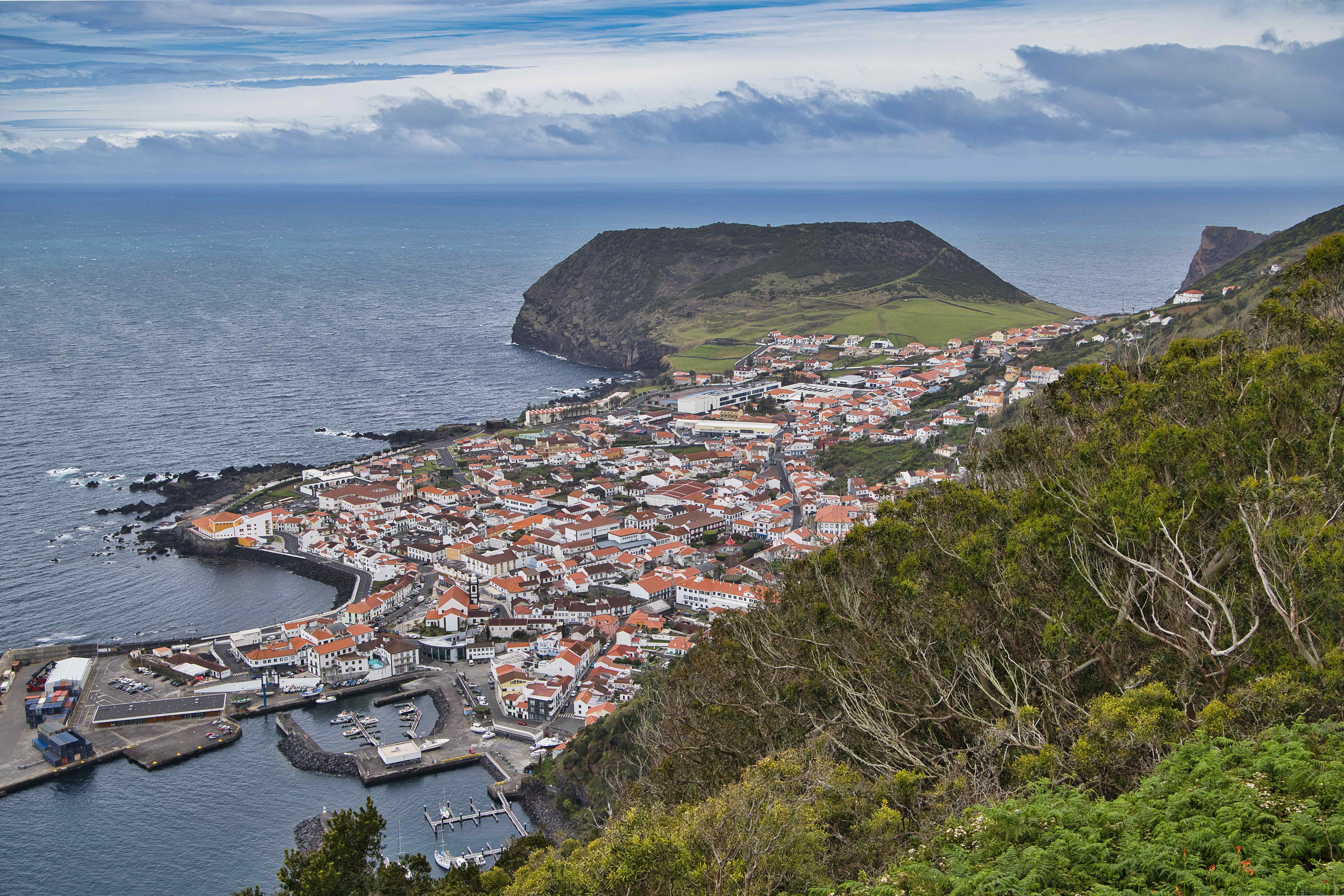
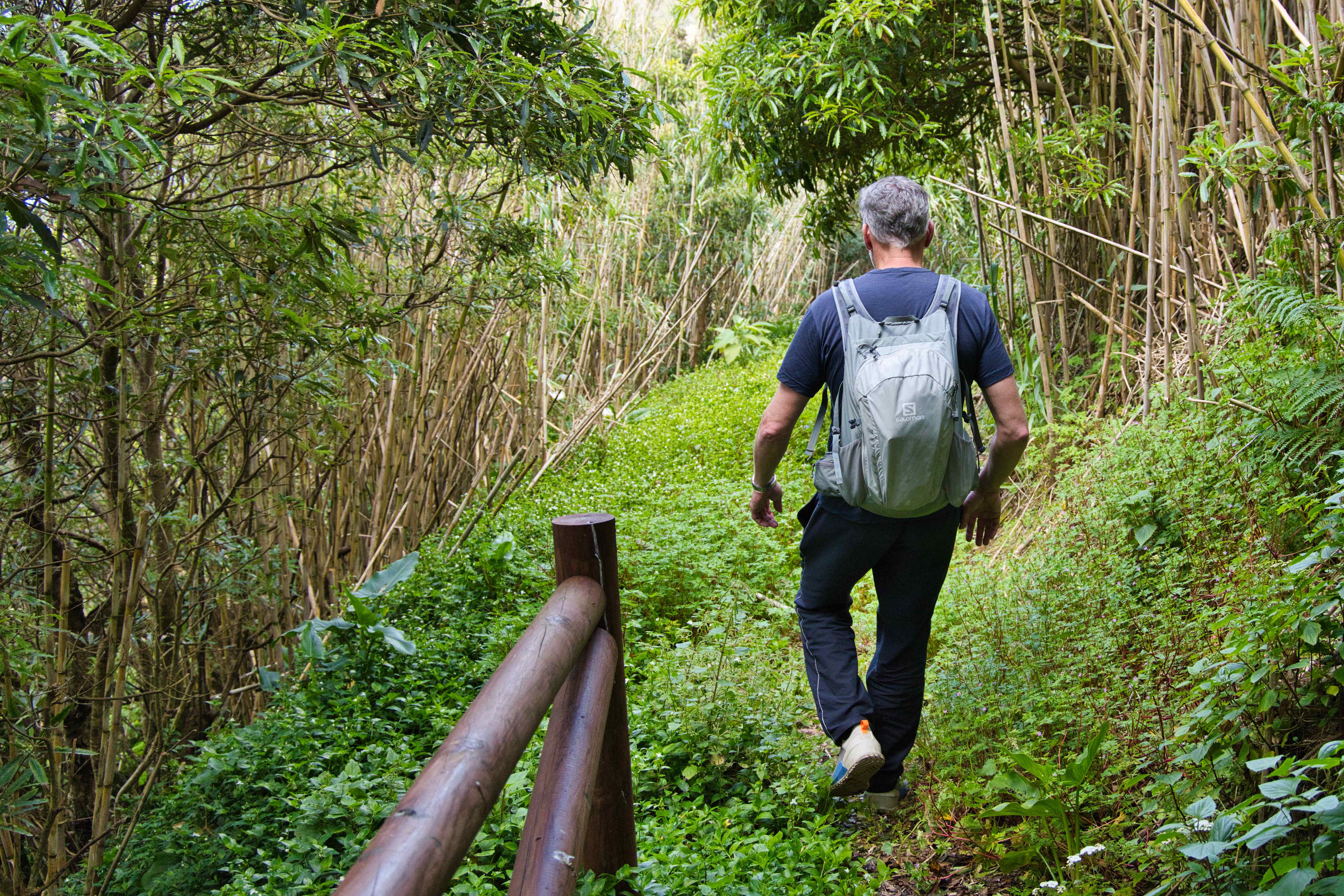
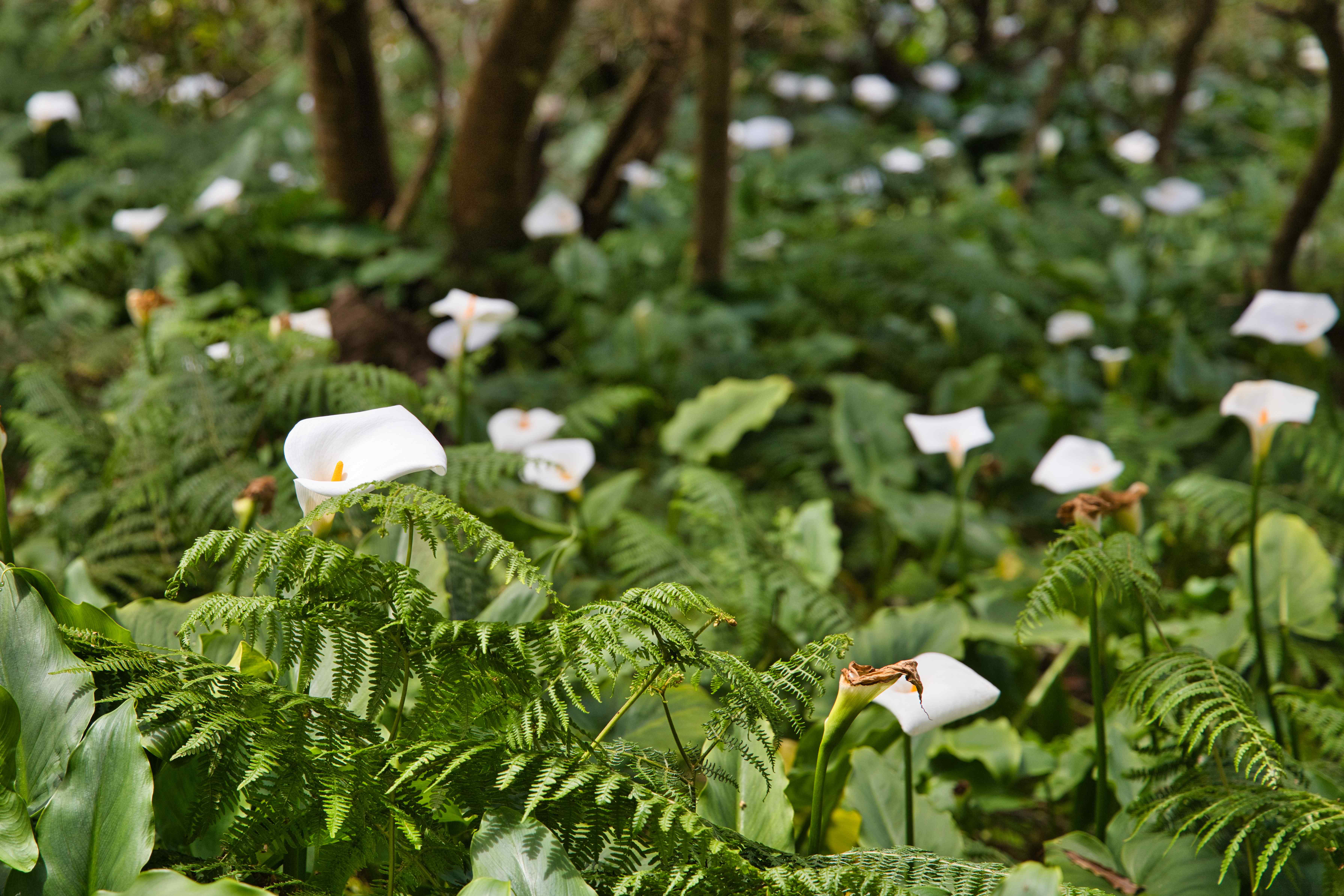
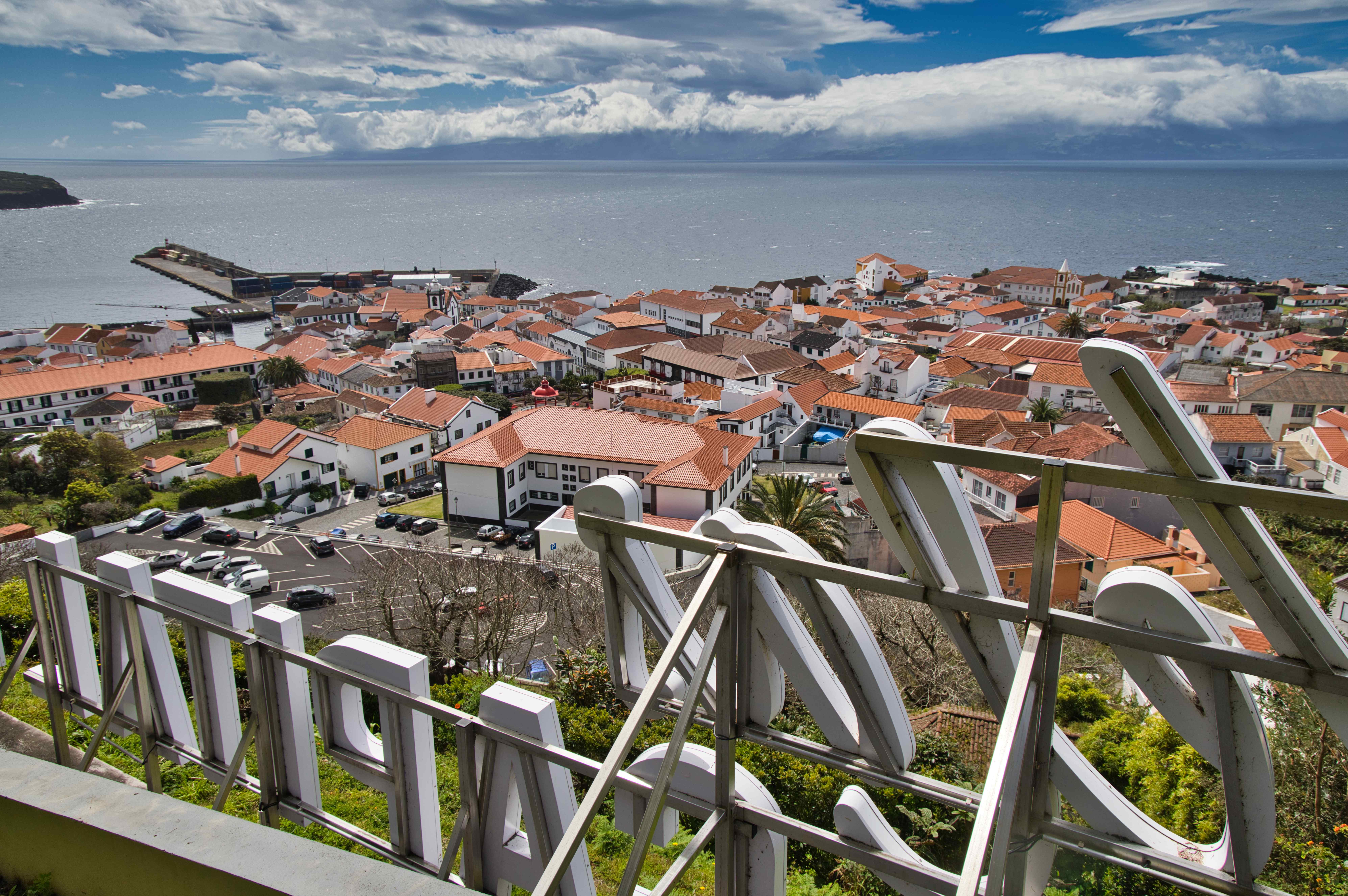
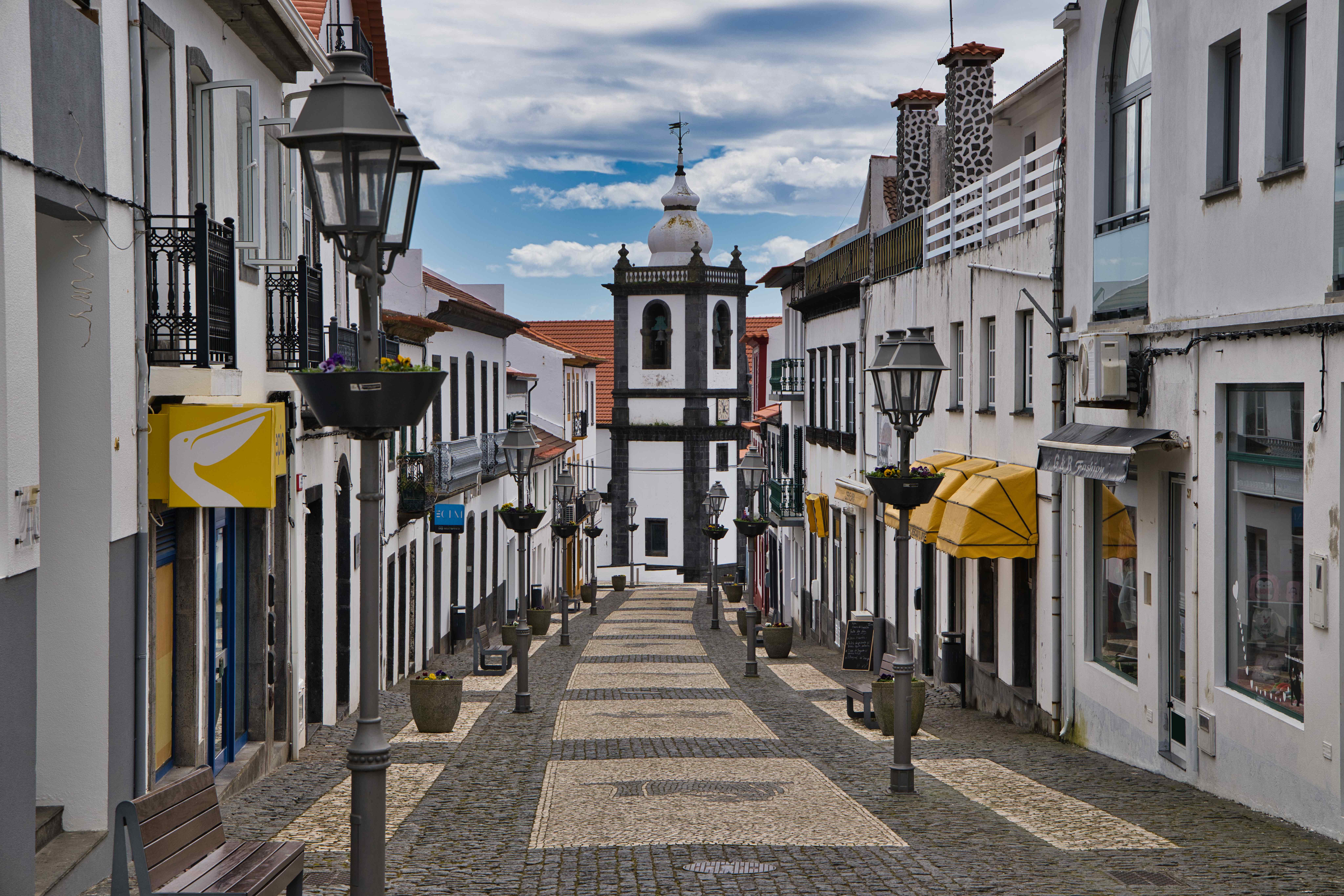
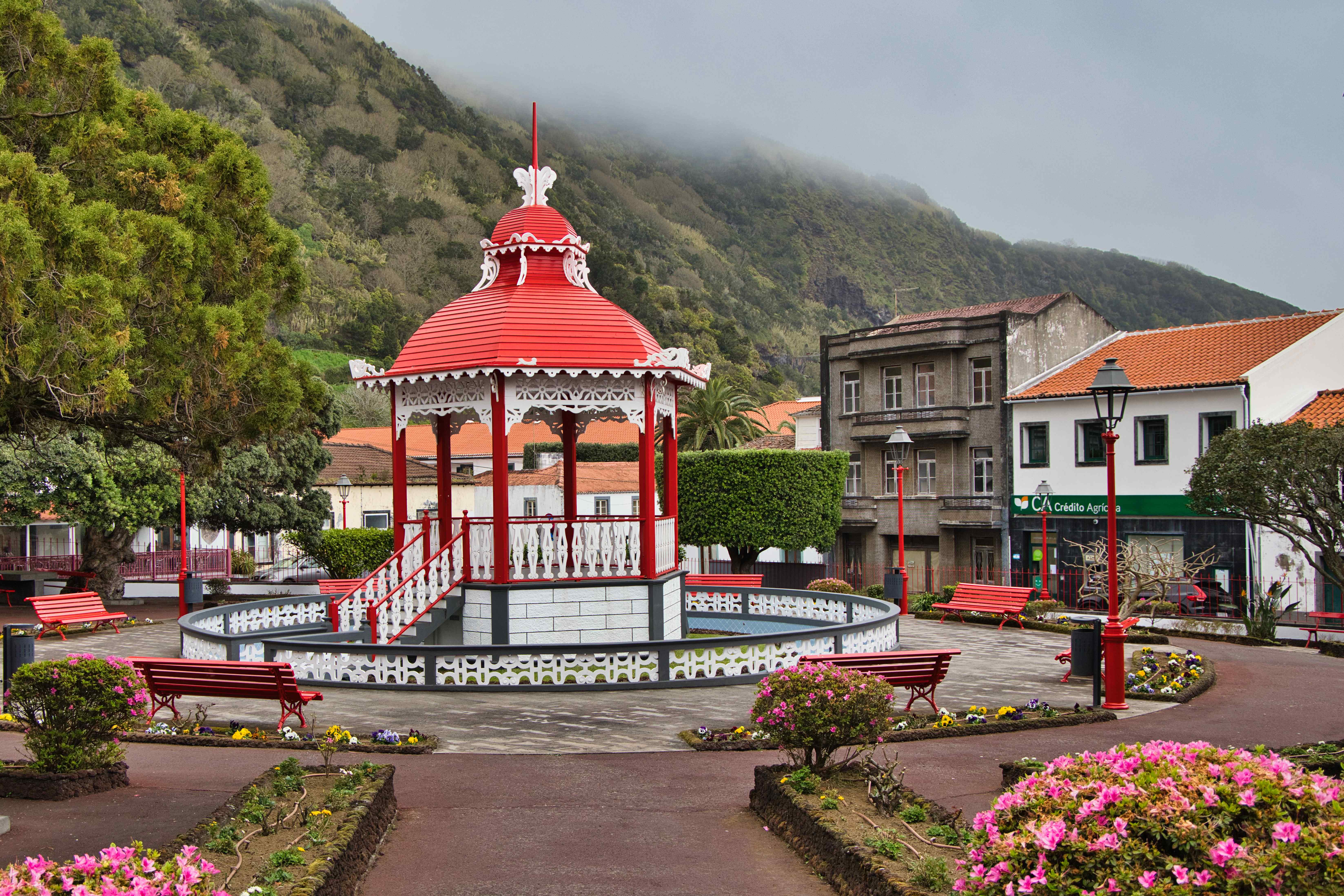
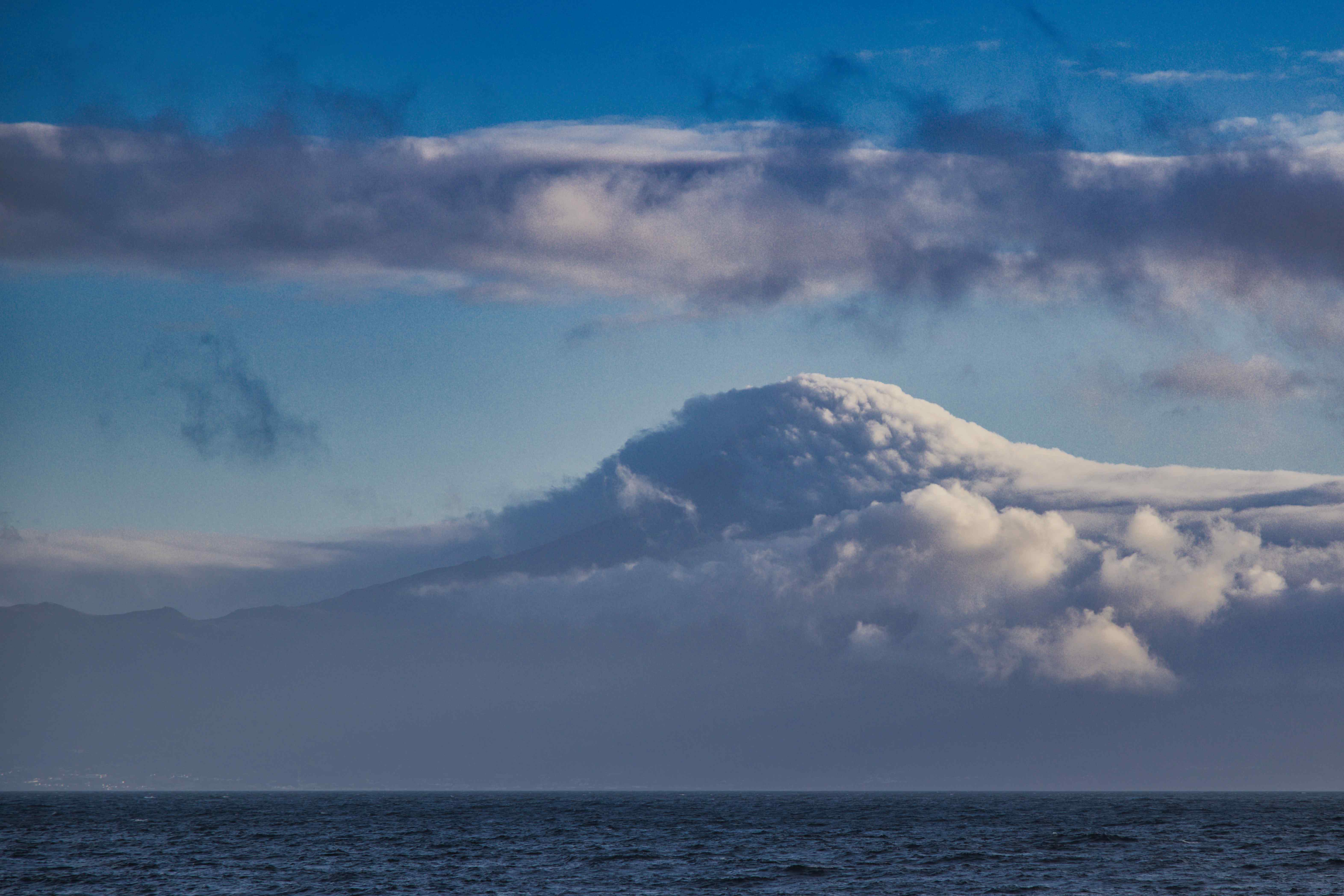
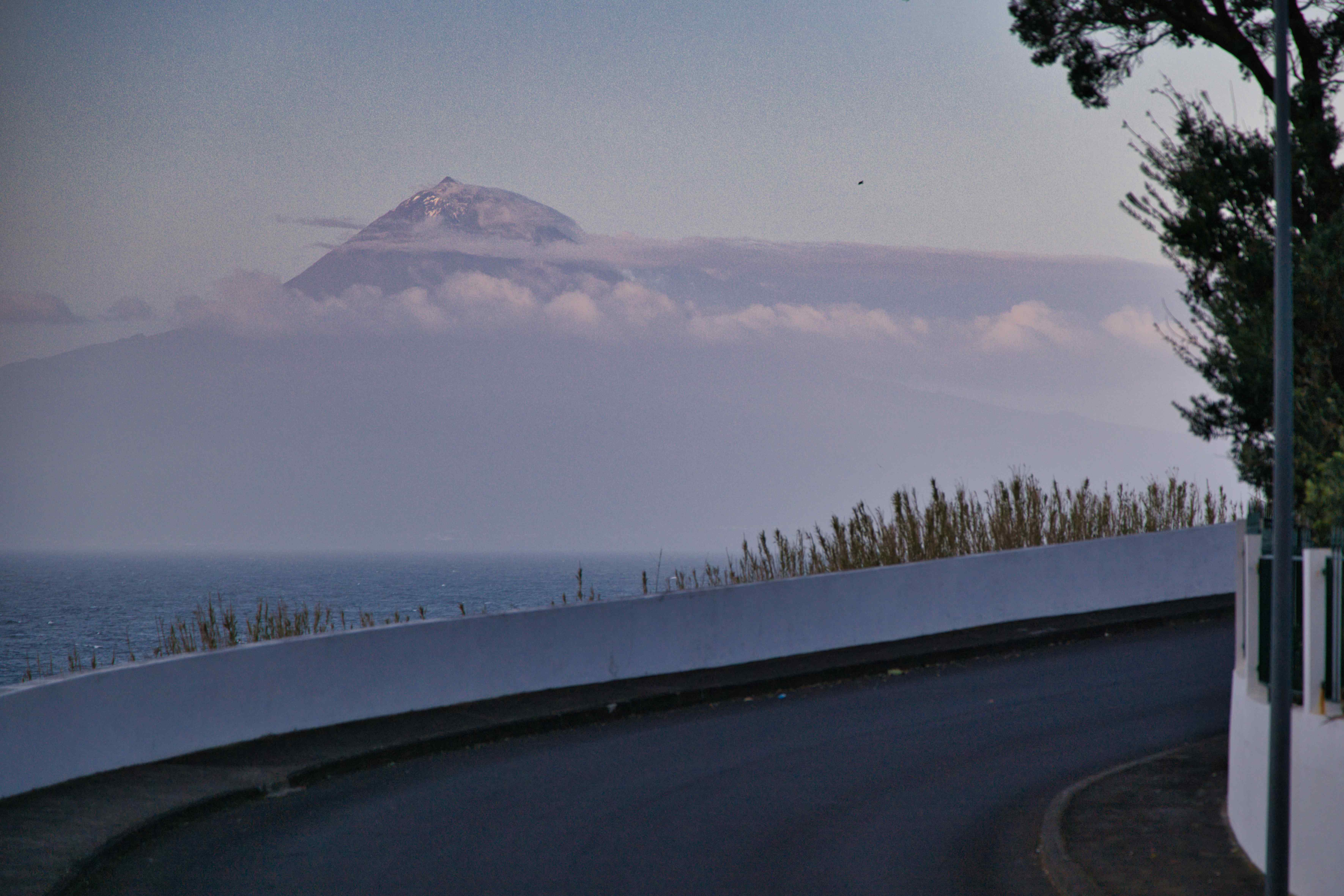
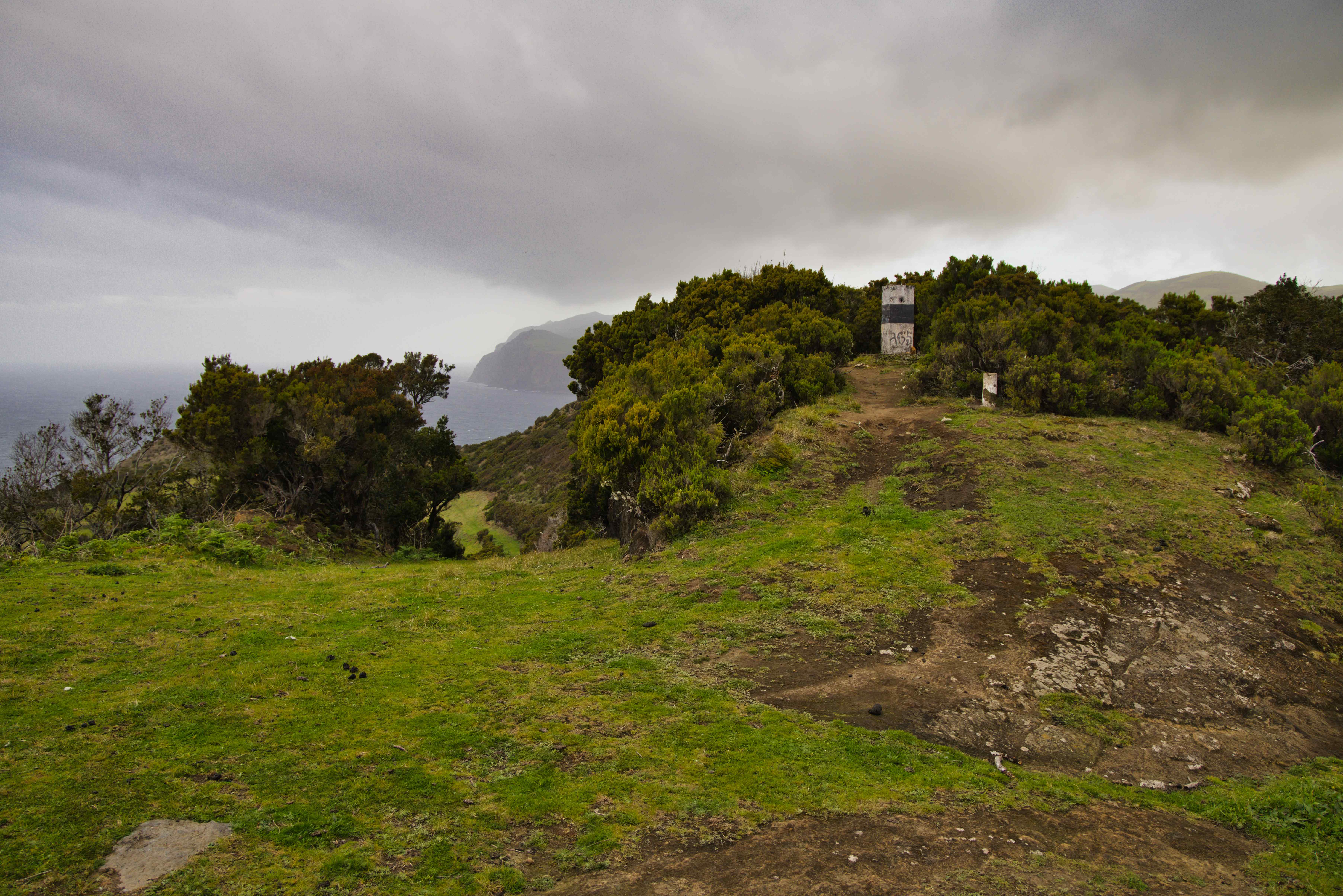
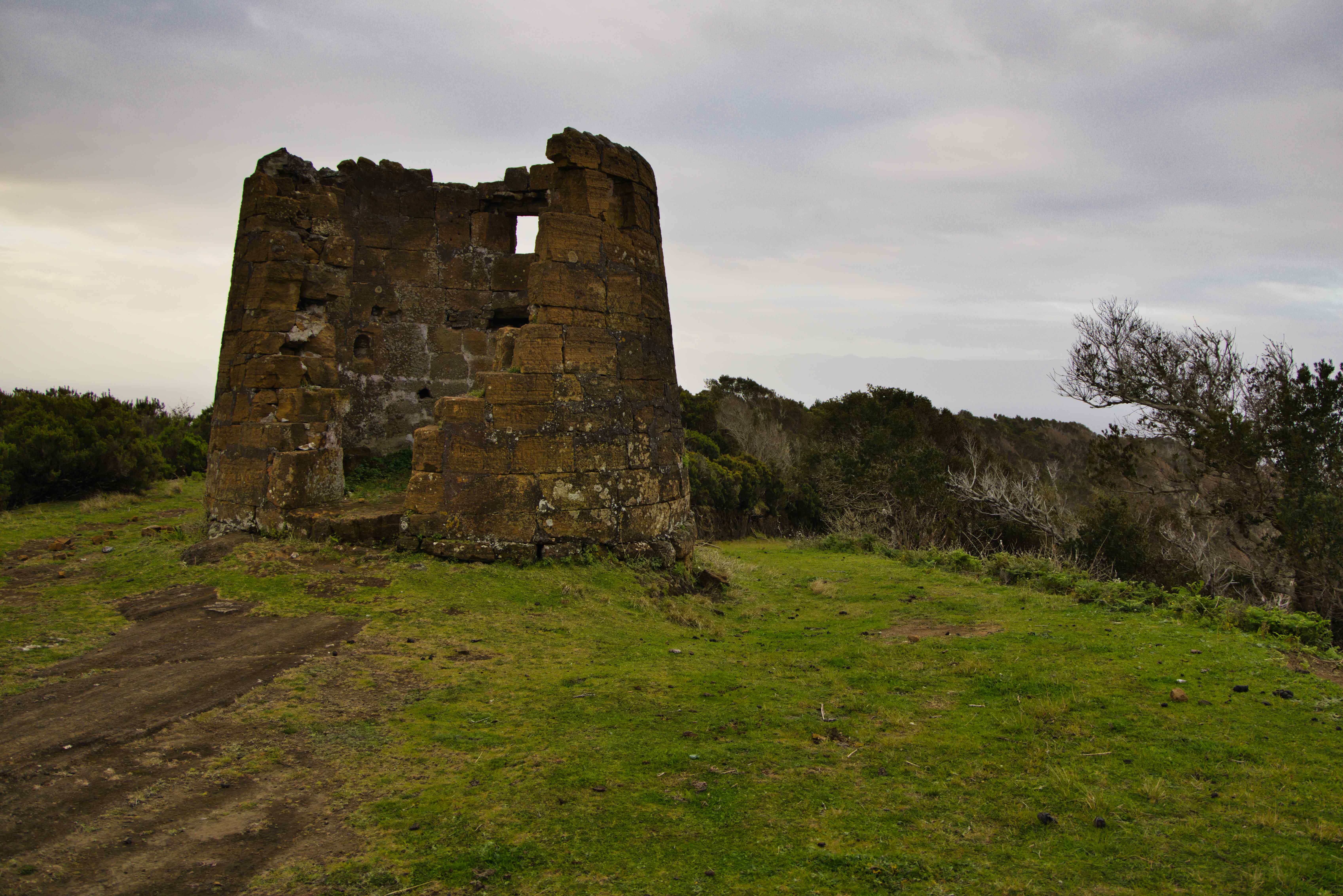
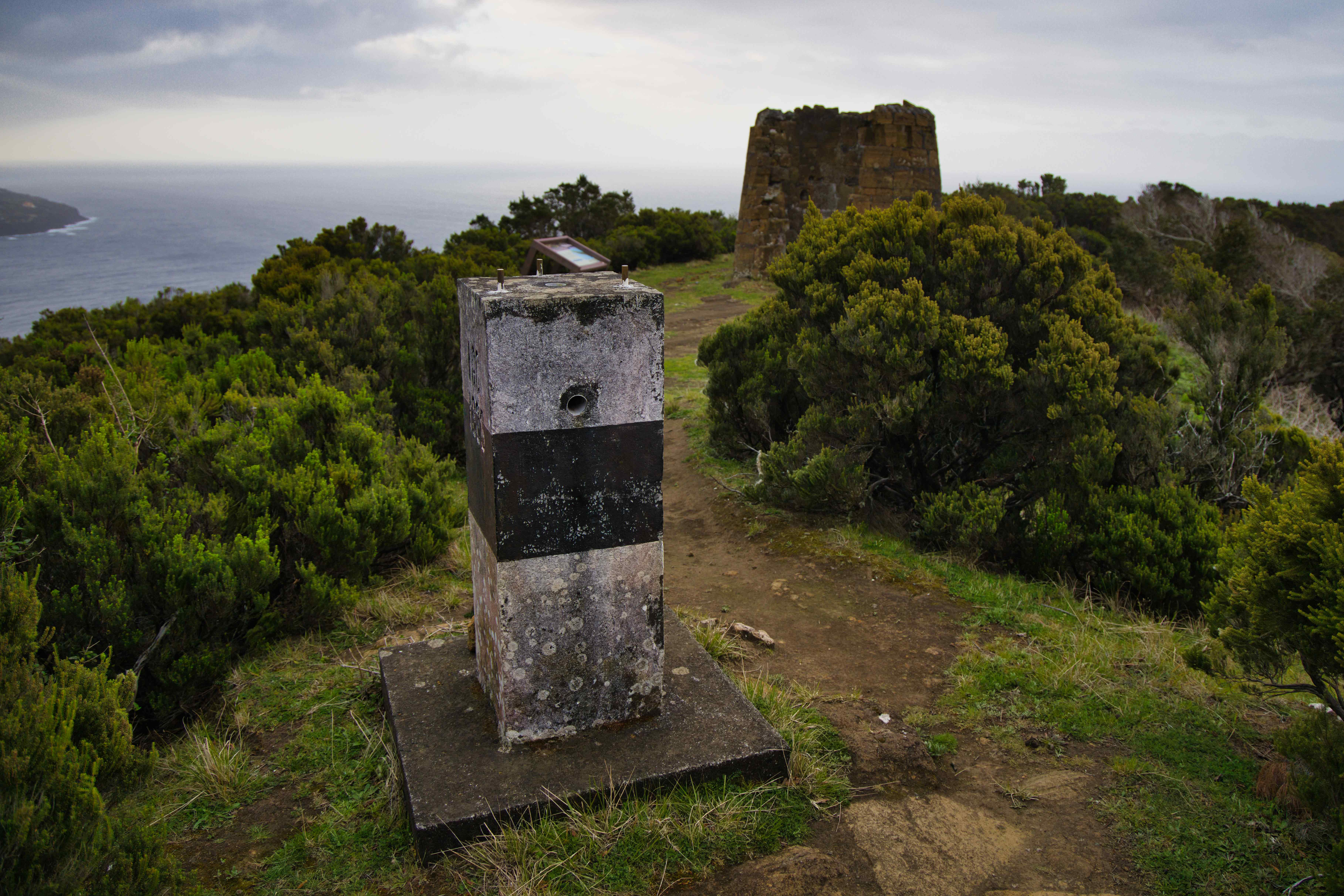
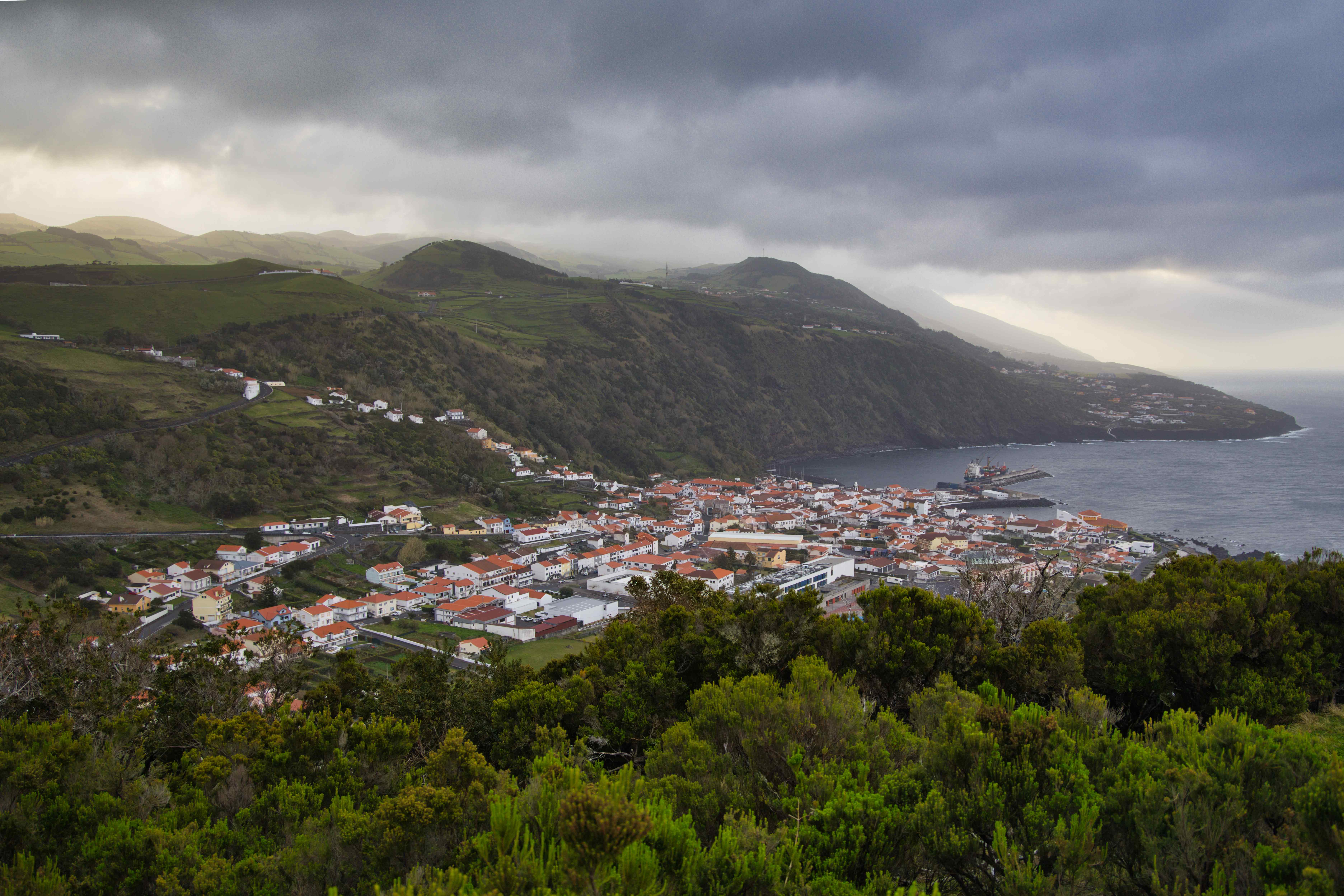
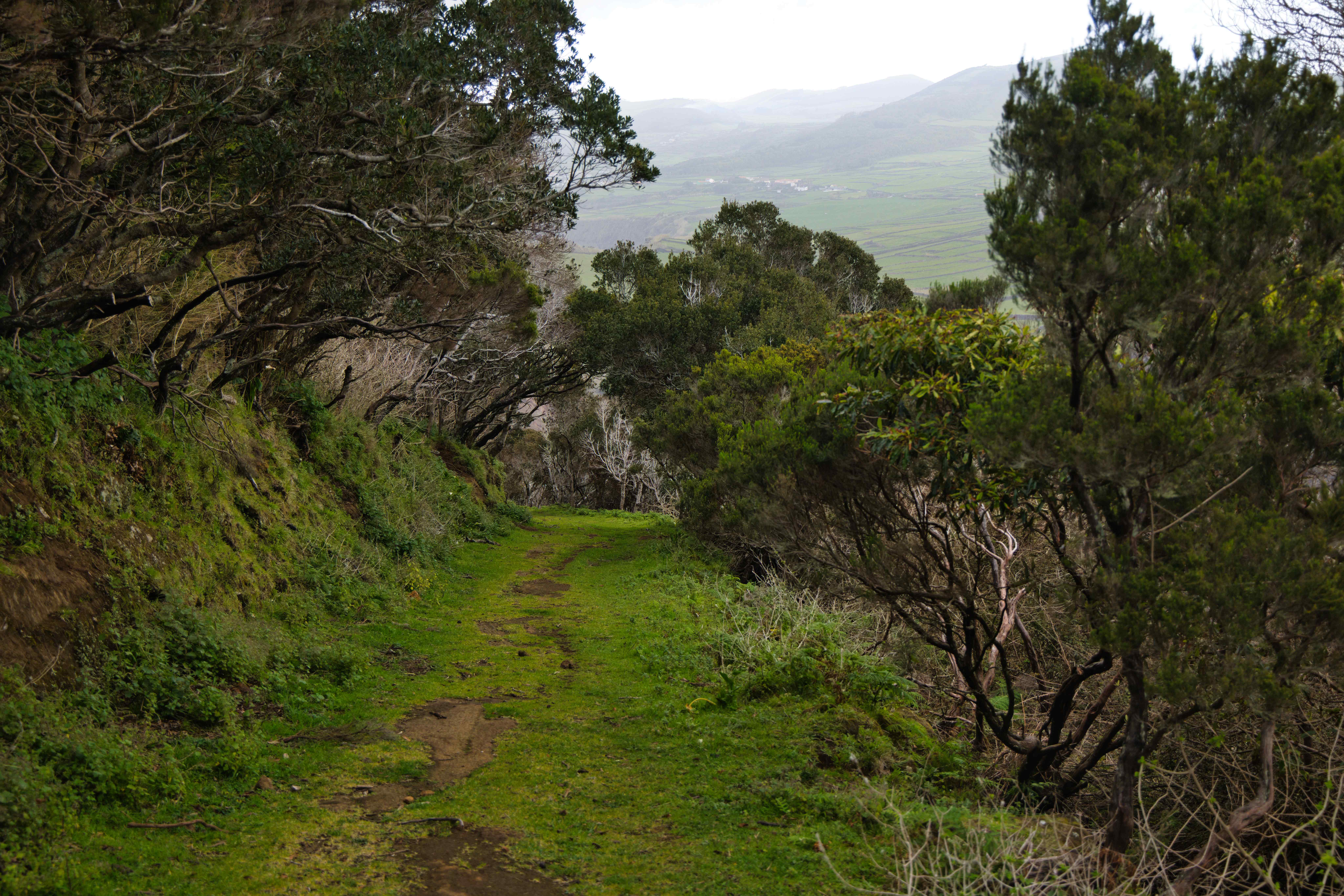
After a full day on São Miguel, and after joining my good friend Martil Wilstrup who arrived to the Azores with a commercial airline, we continued to our second island, São Jorge. The island was covered by clouds so we decided to stay only one night and explore the local city of Velas one hour of walking from the airport. I also had some time to hike up to Miradouro do Morro Das Velas.


Third Island – Pico
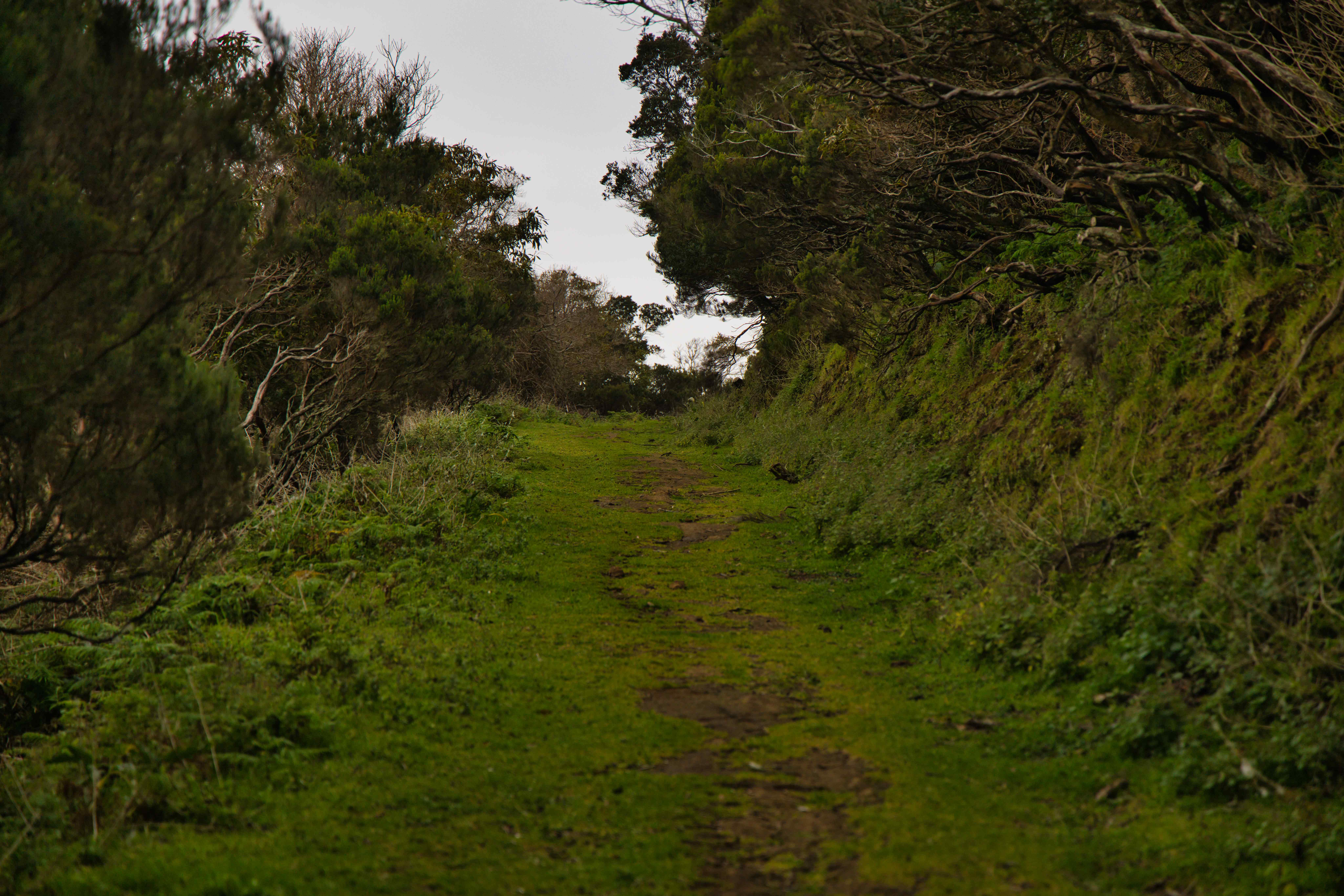
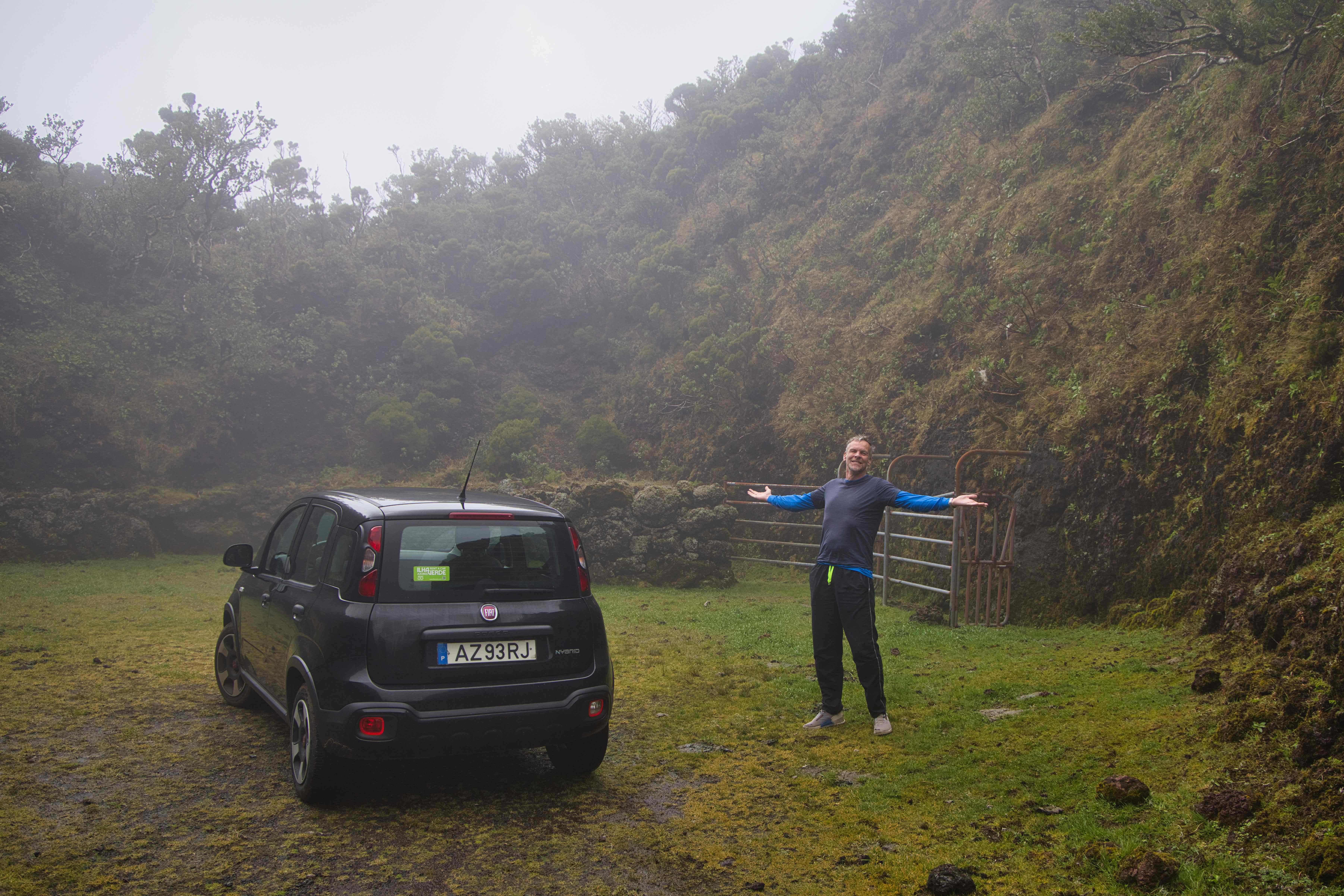
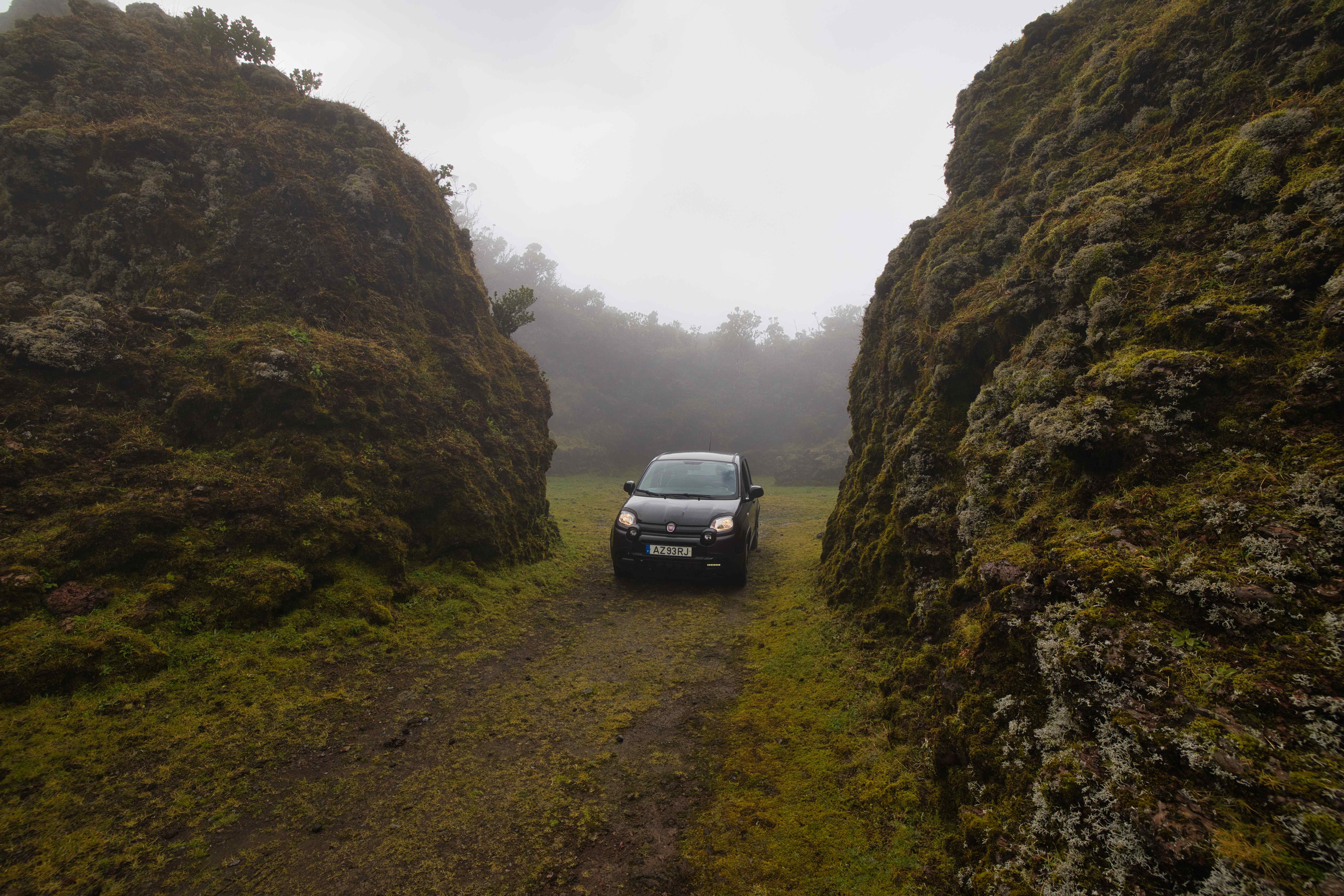
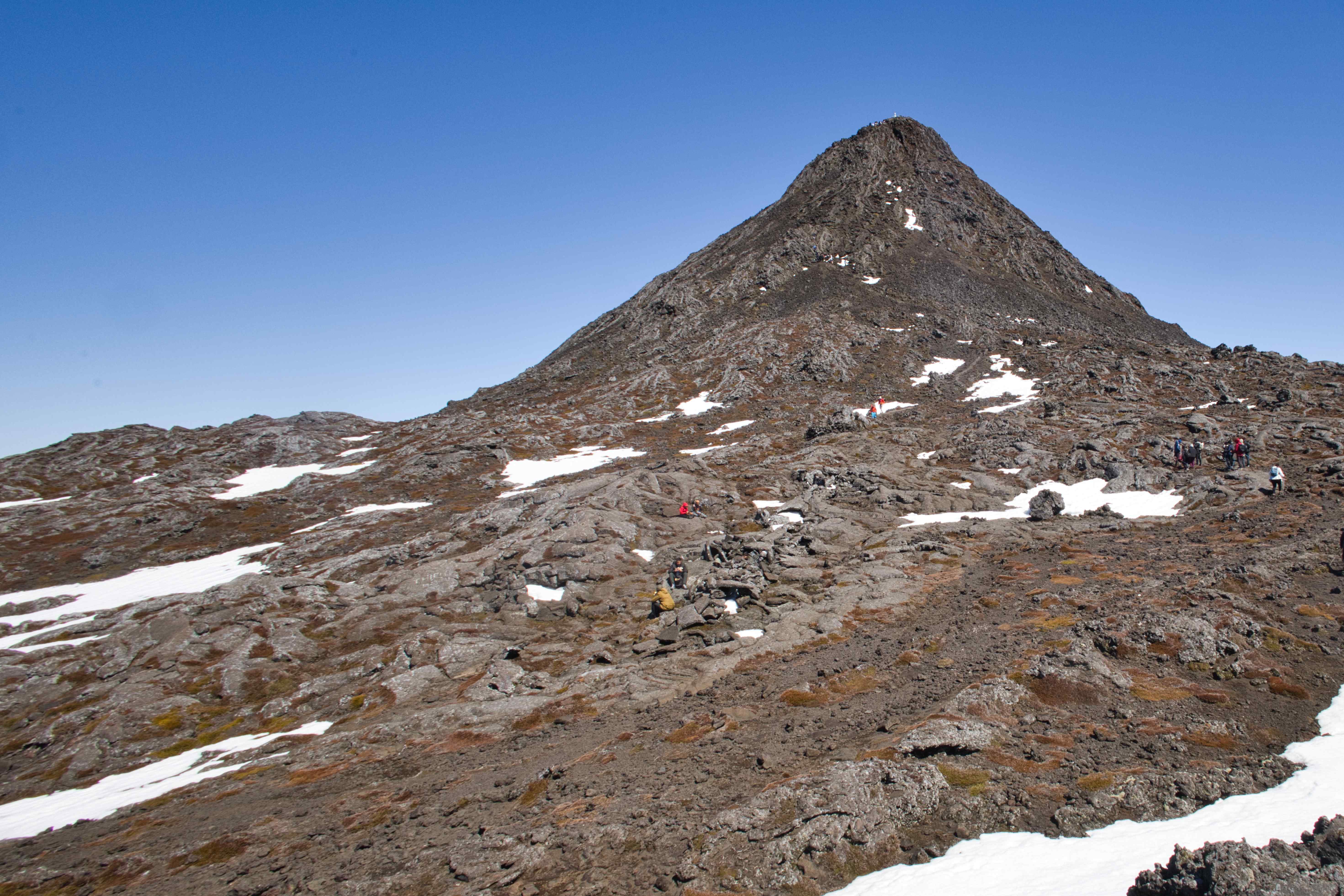
The flight to Pico Island only took around ten minutes in marginal VFR. Upon landing we rented a small car for two days and drove up to Mount Pico base camp to check out the trailhead for climbing the volcano. Lots of low clouds around the mountain so we were quite unsure about our attempt to summit the volcano the following day.
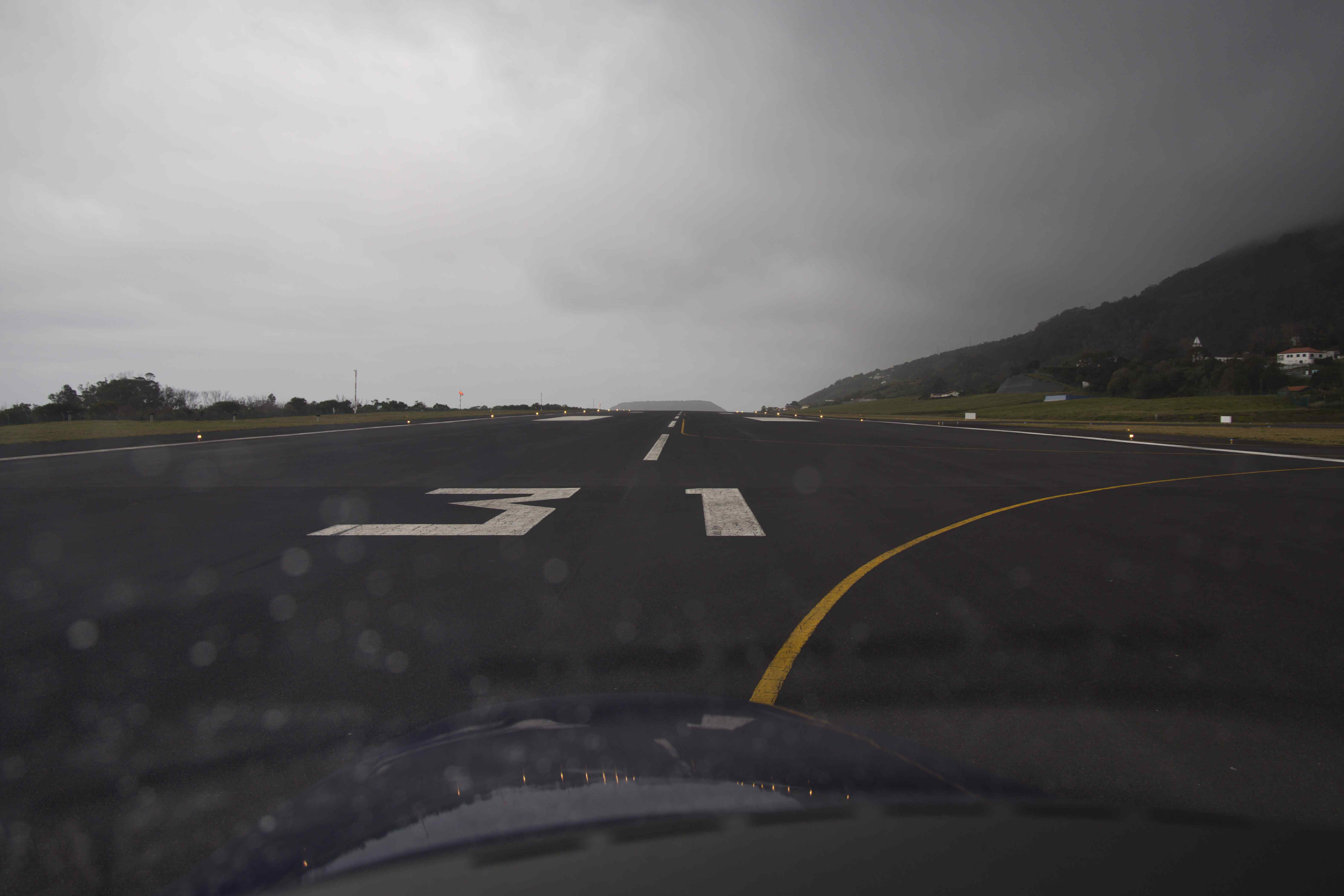
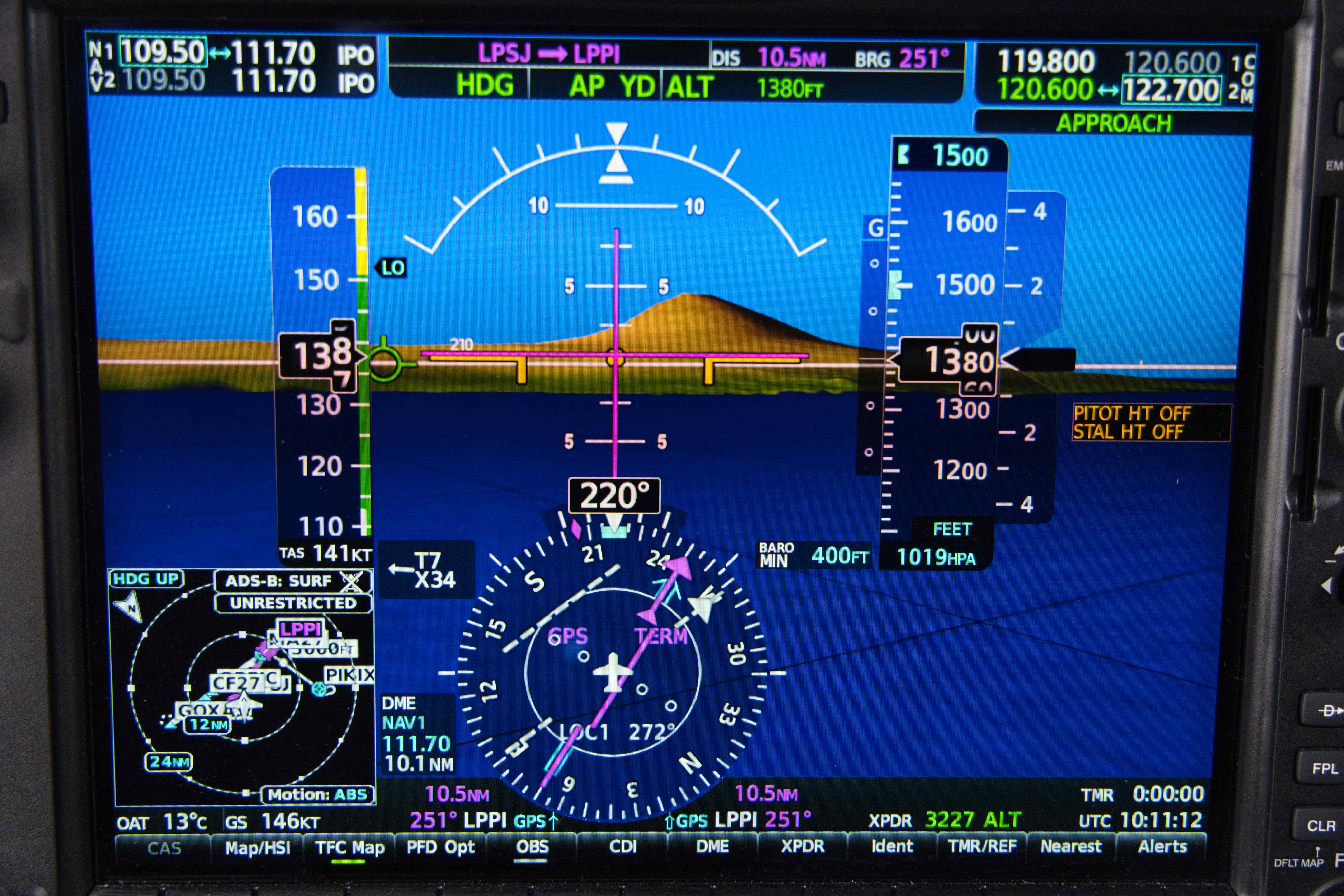
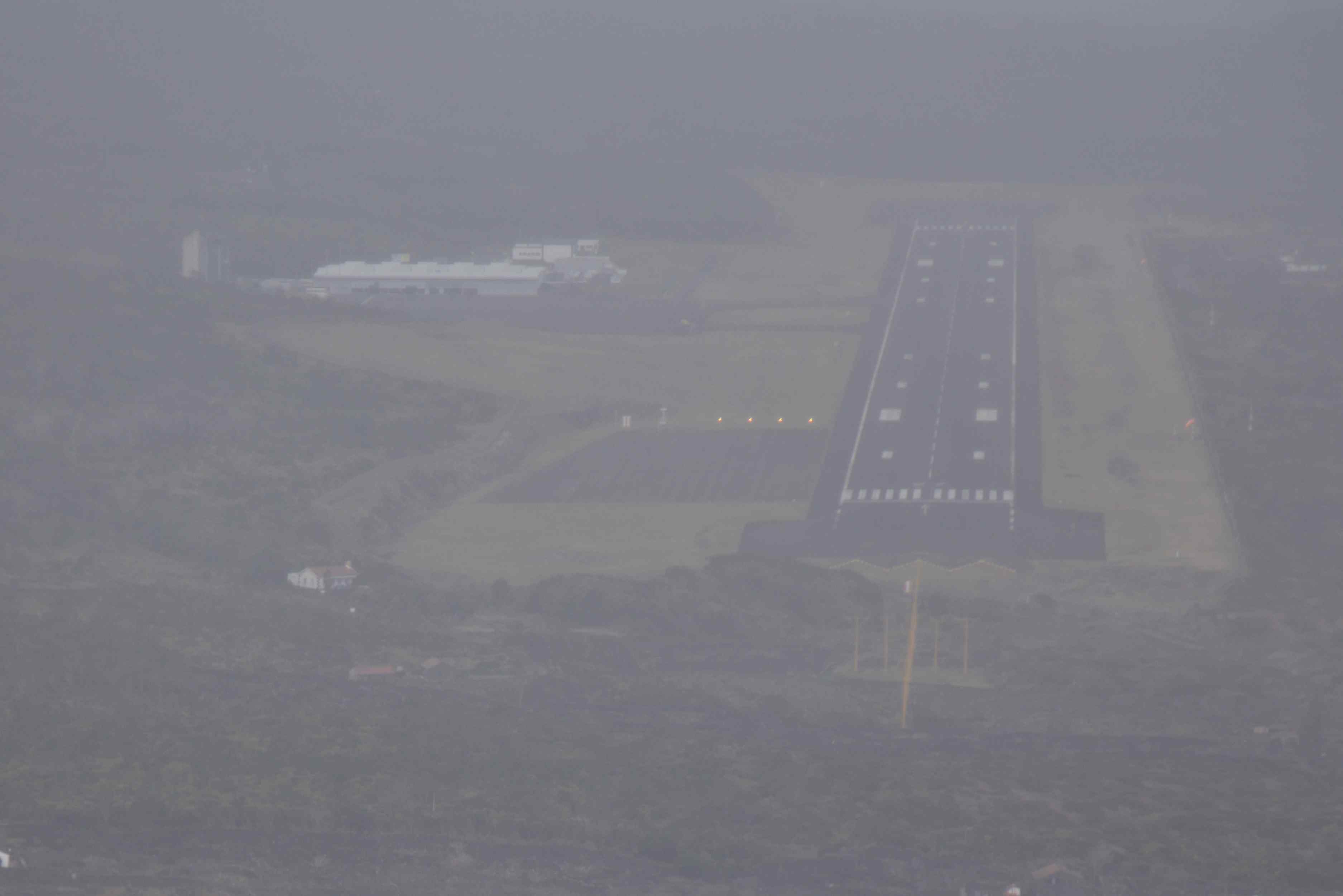
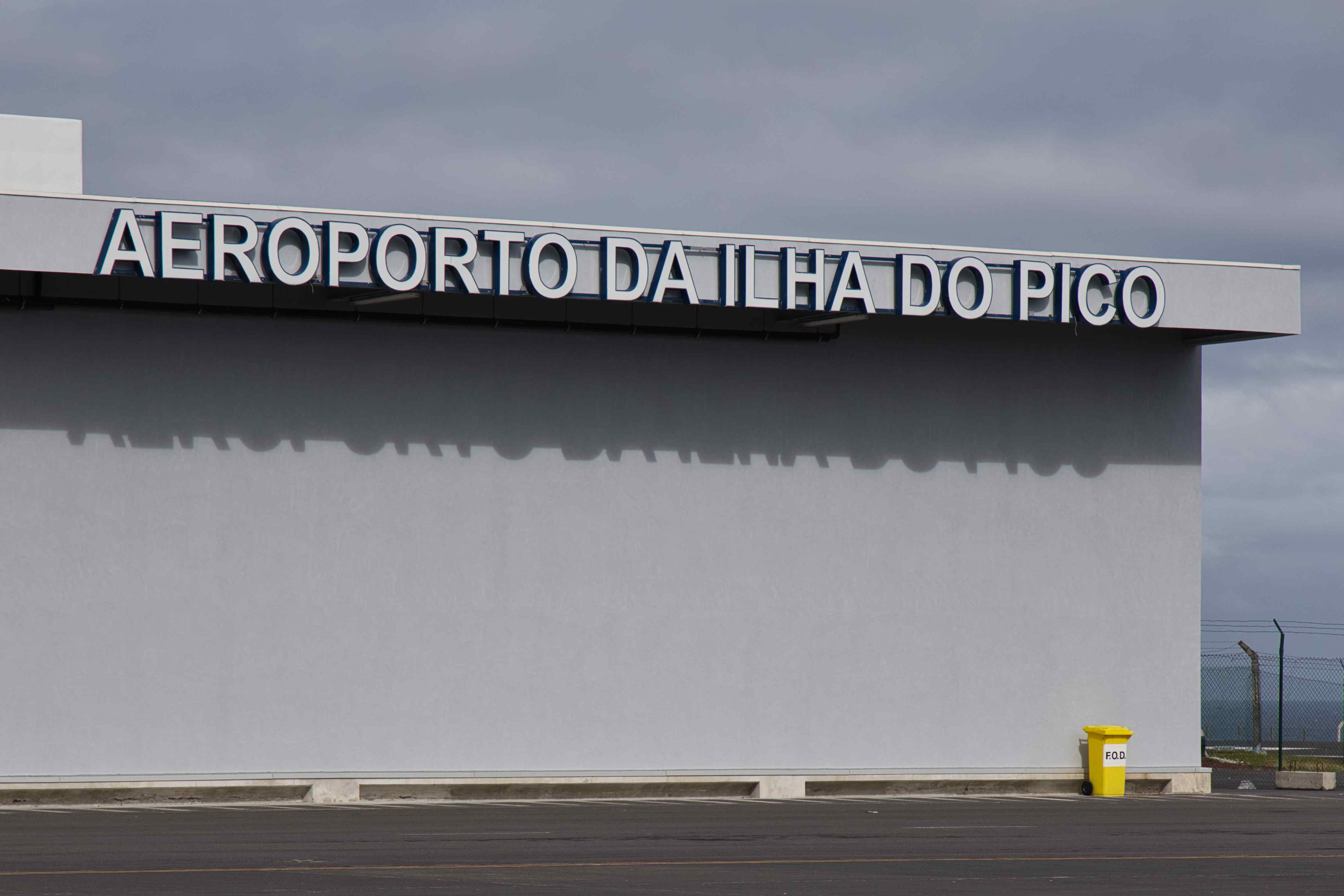
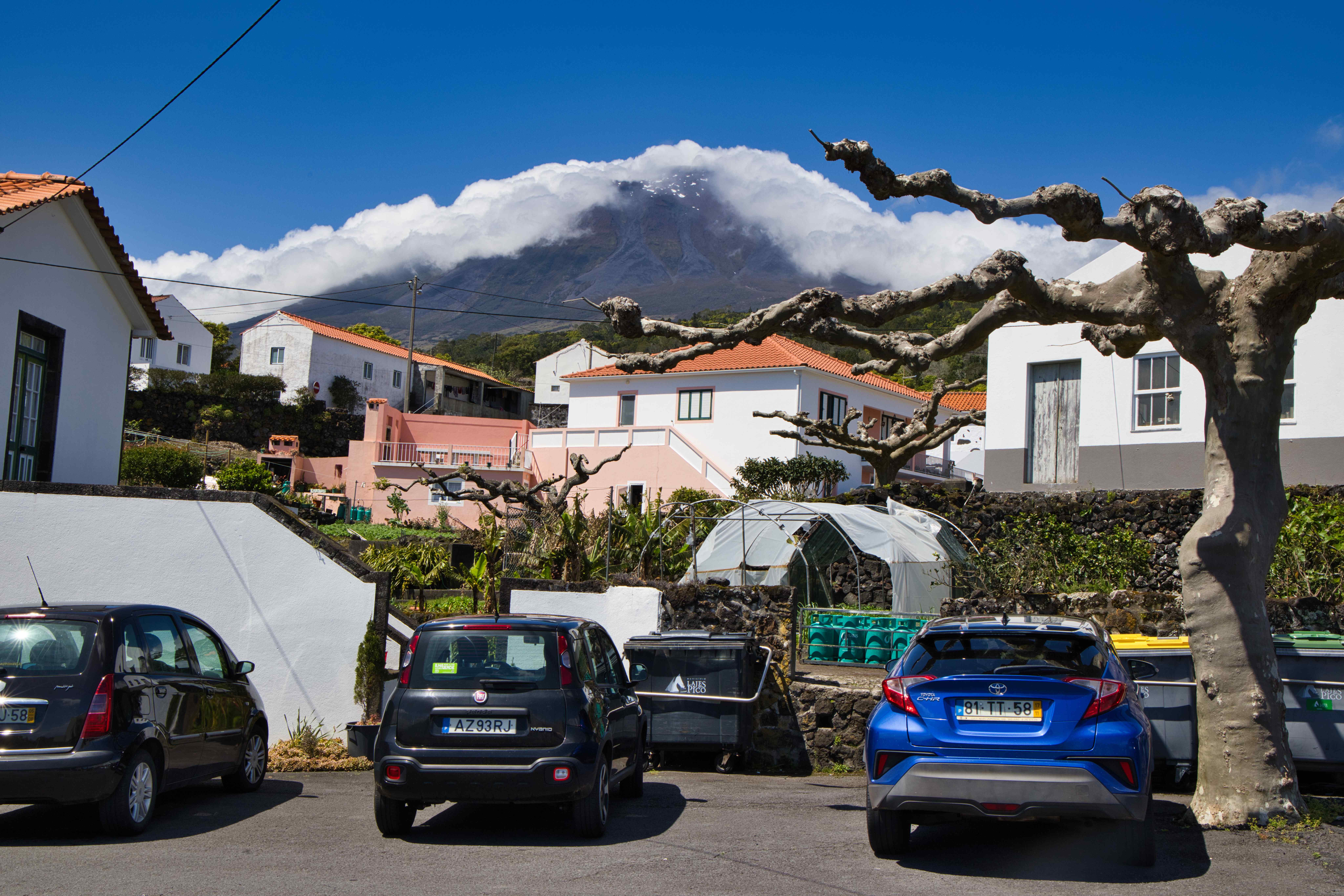
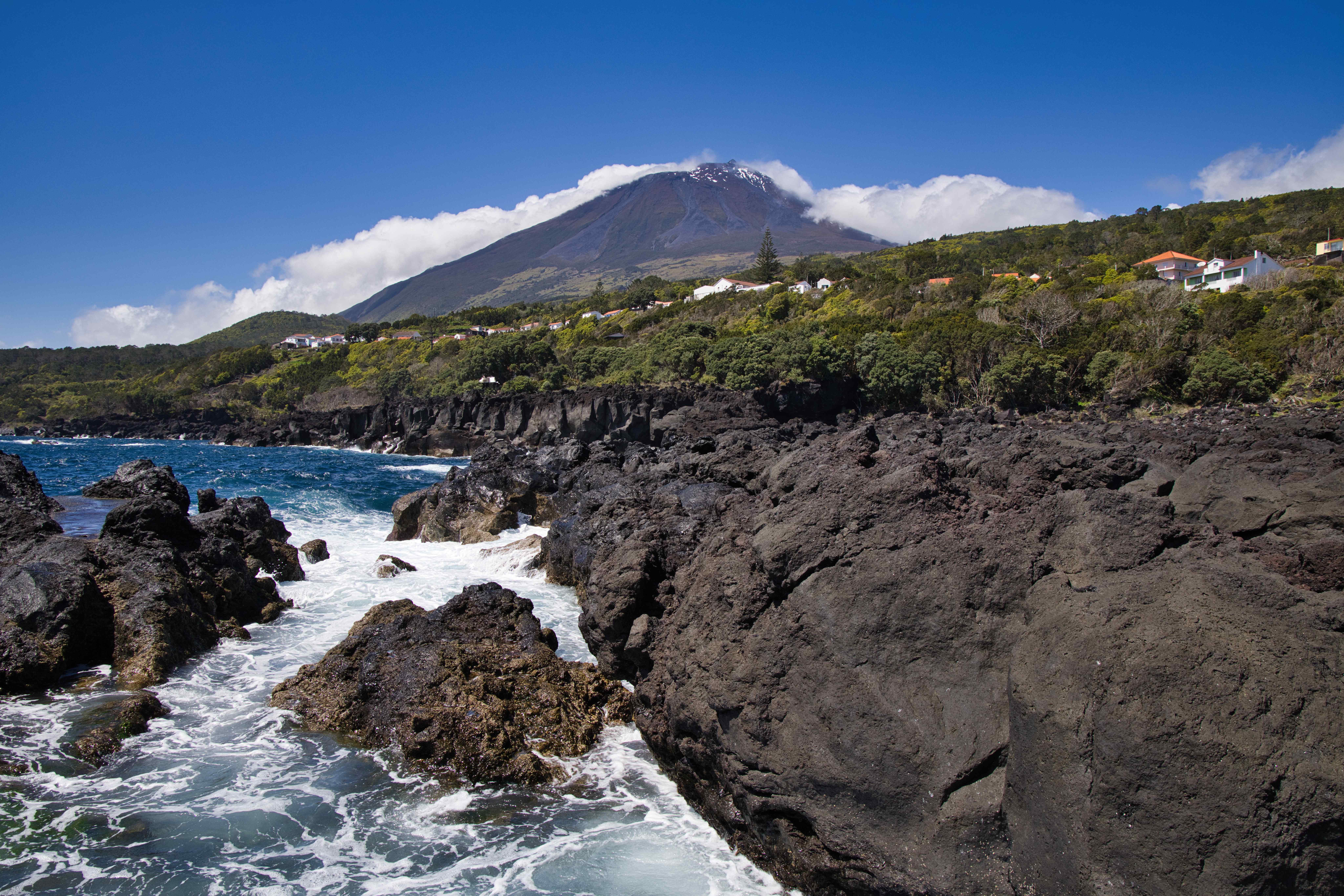

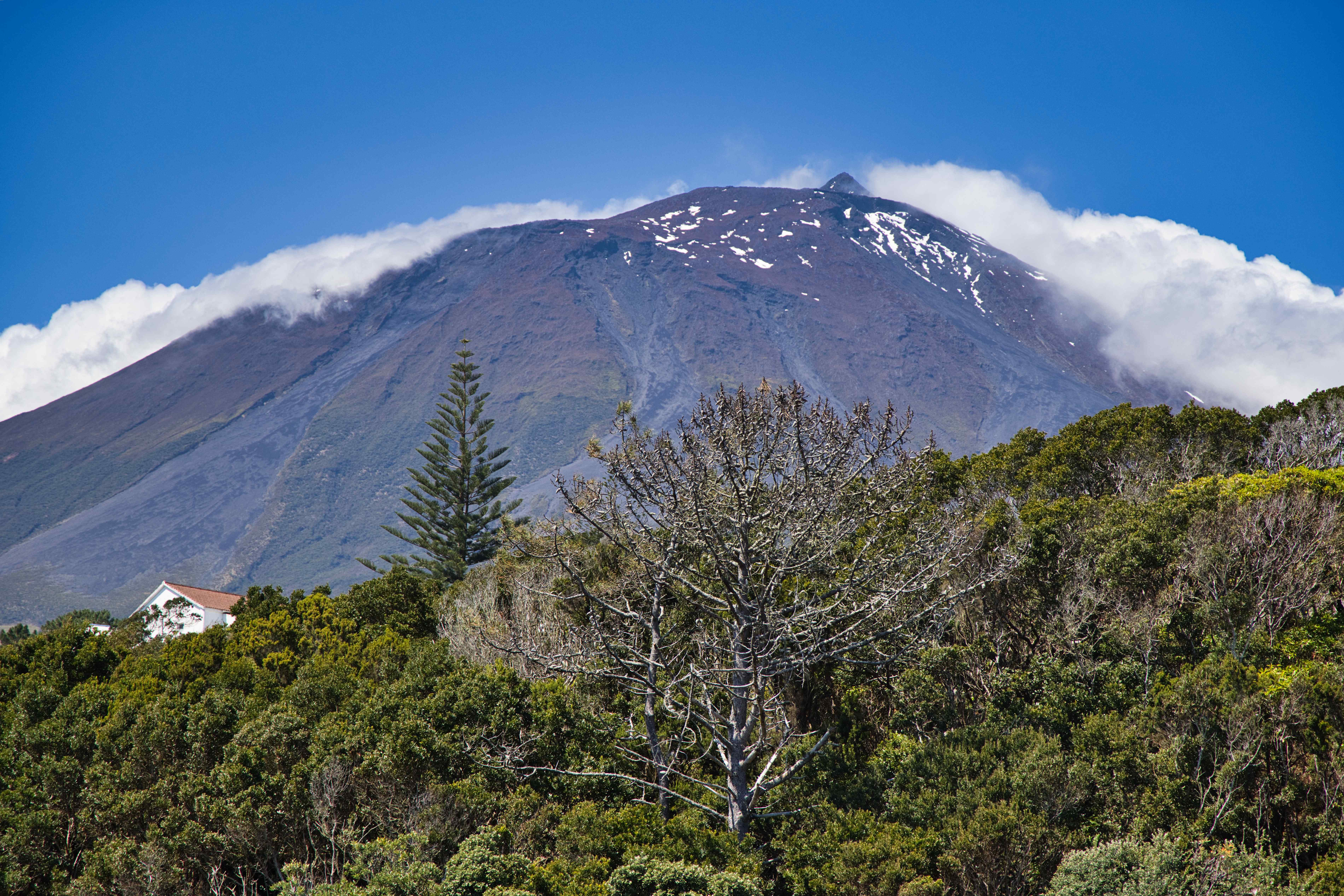
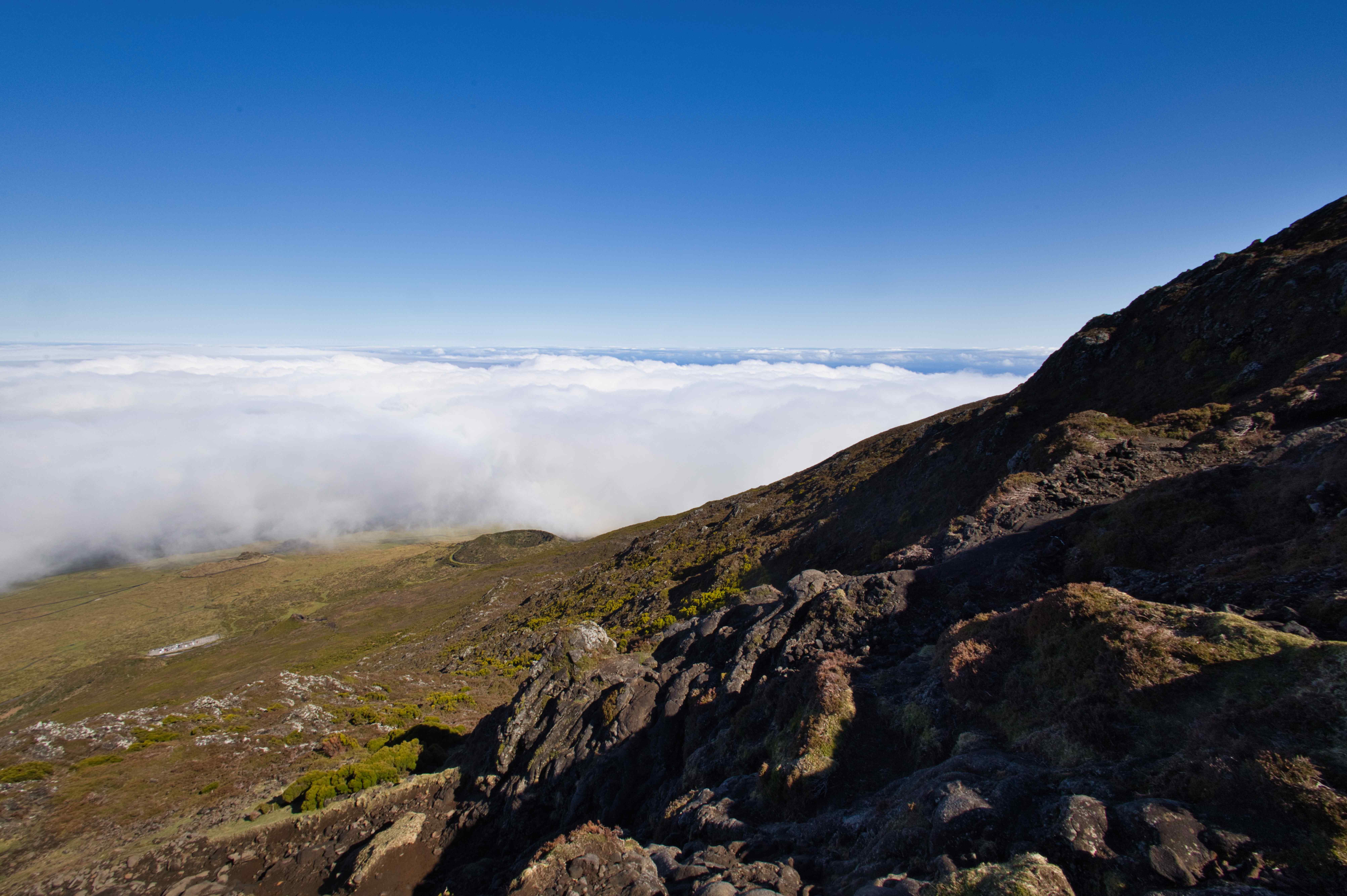
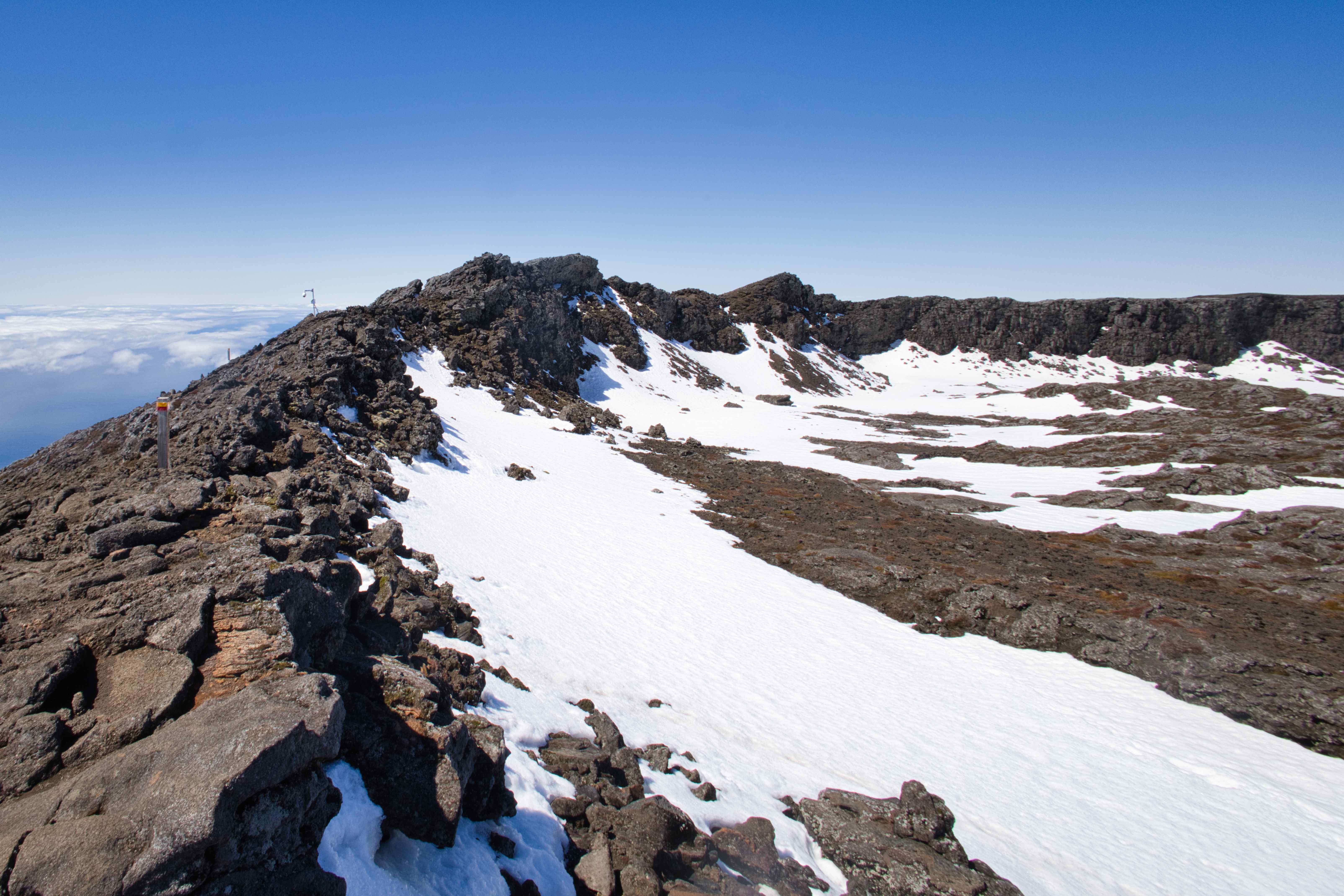
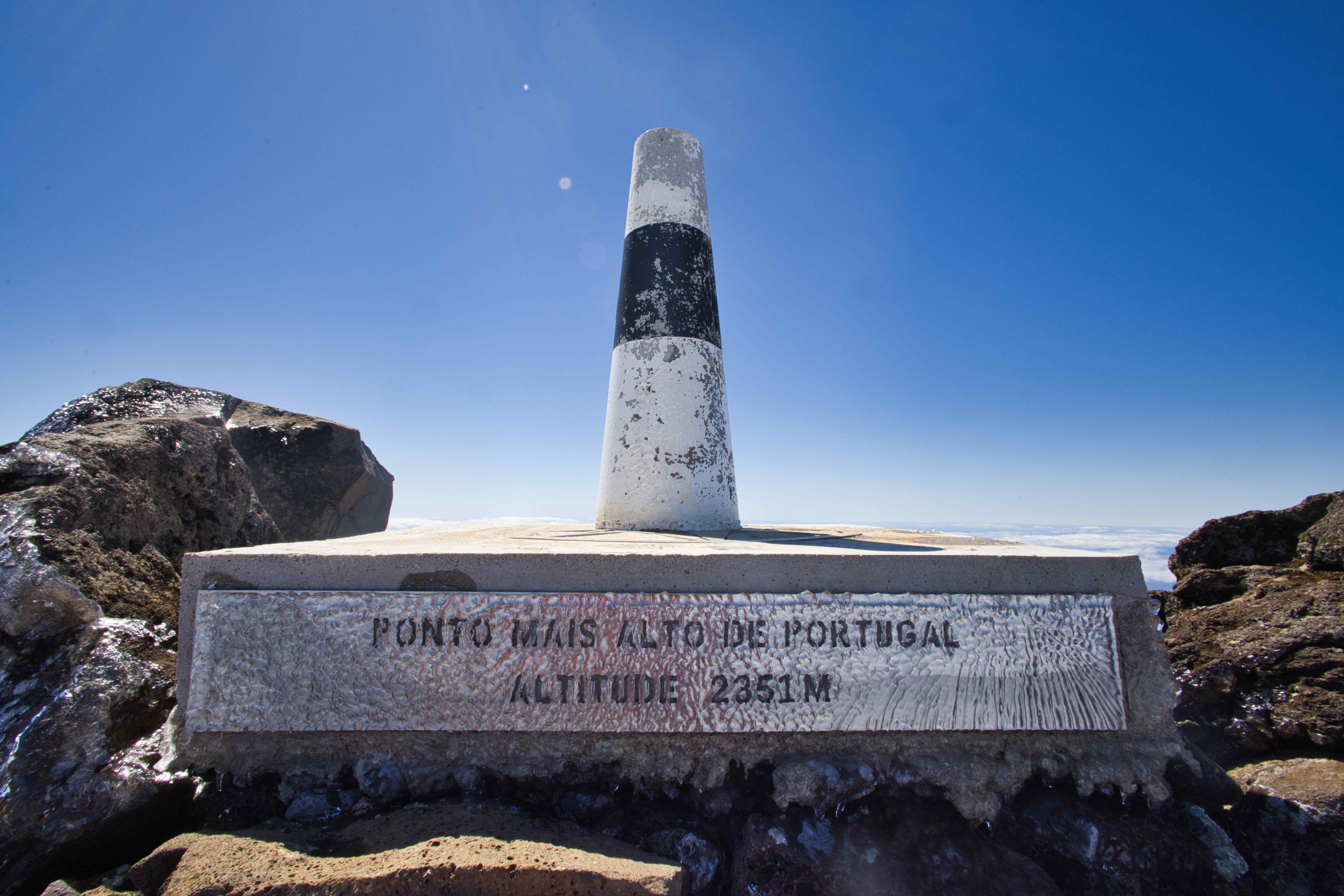
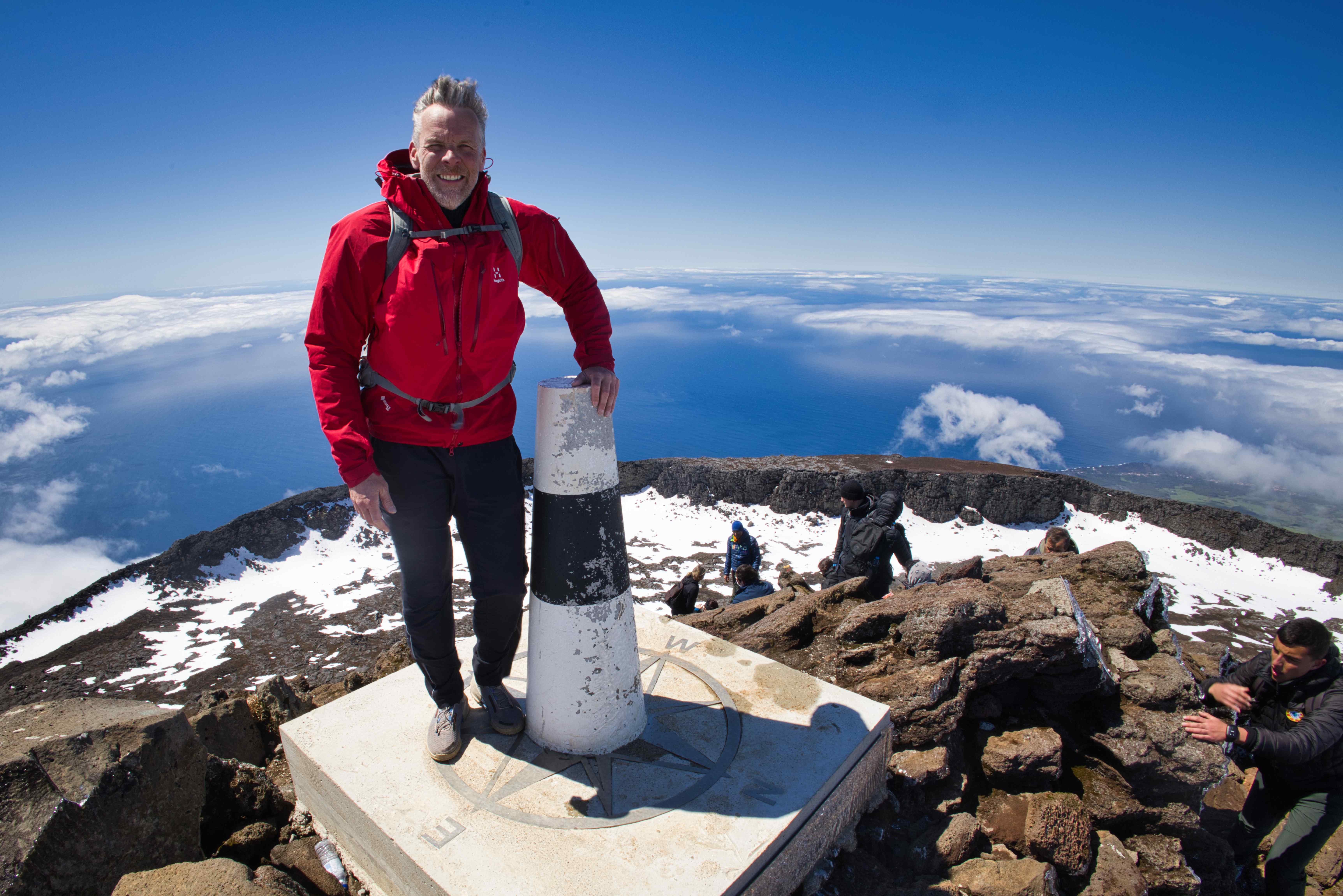
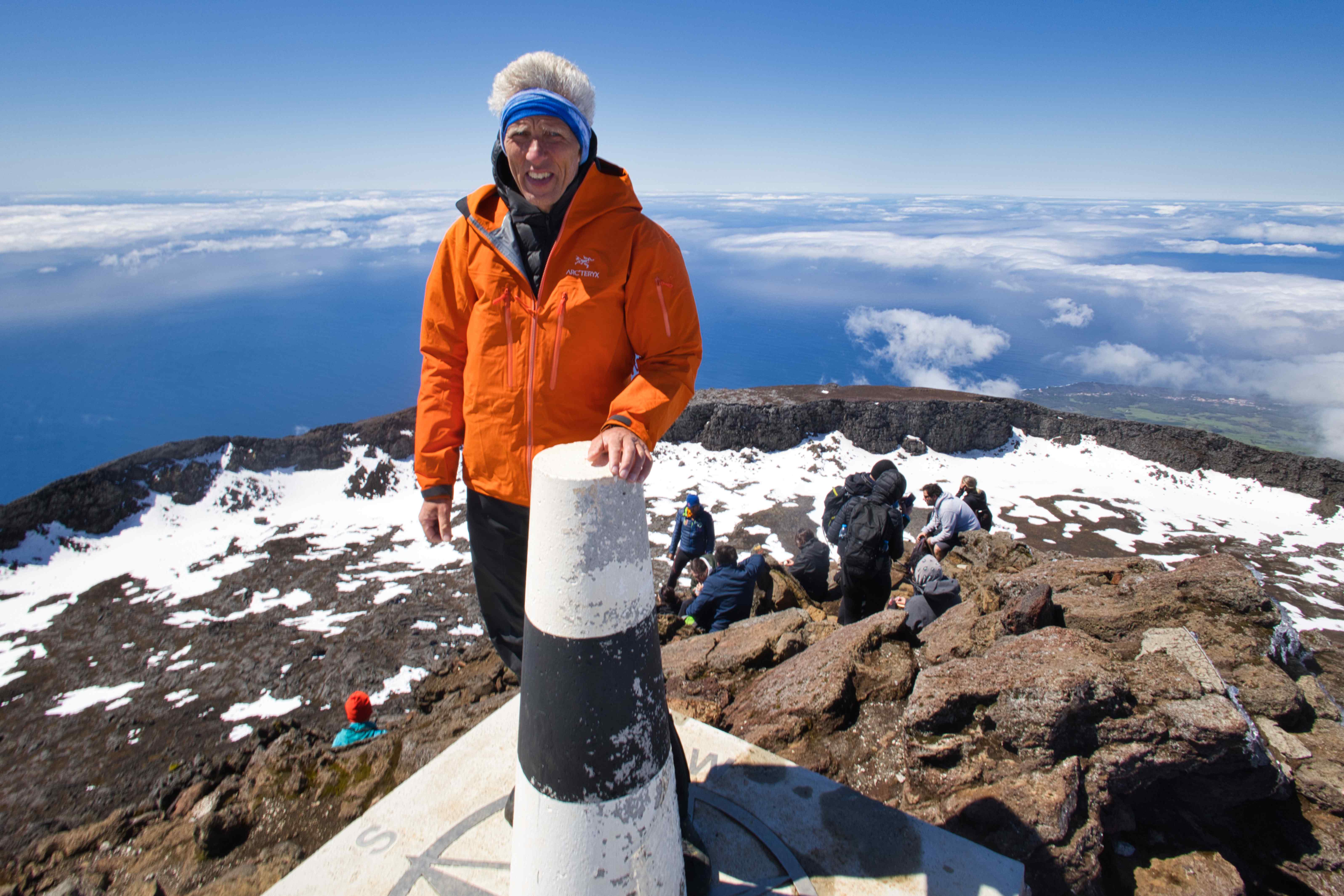
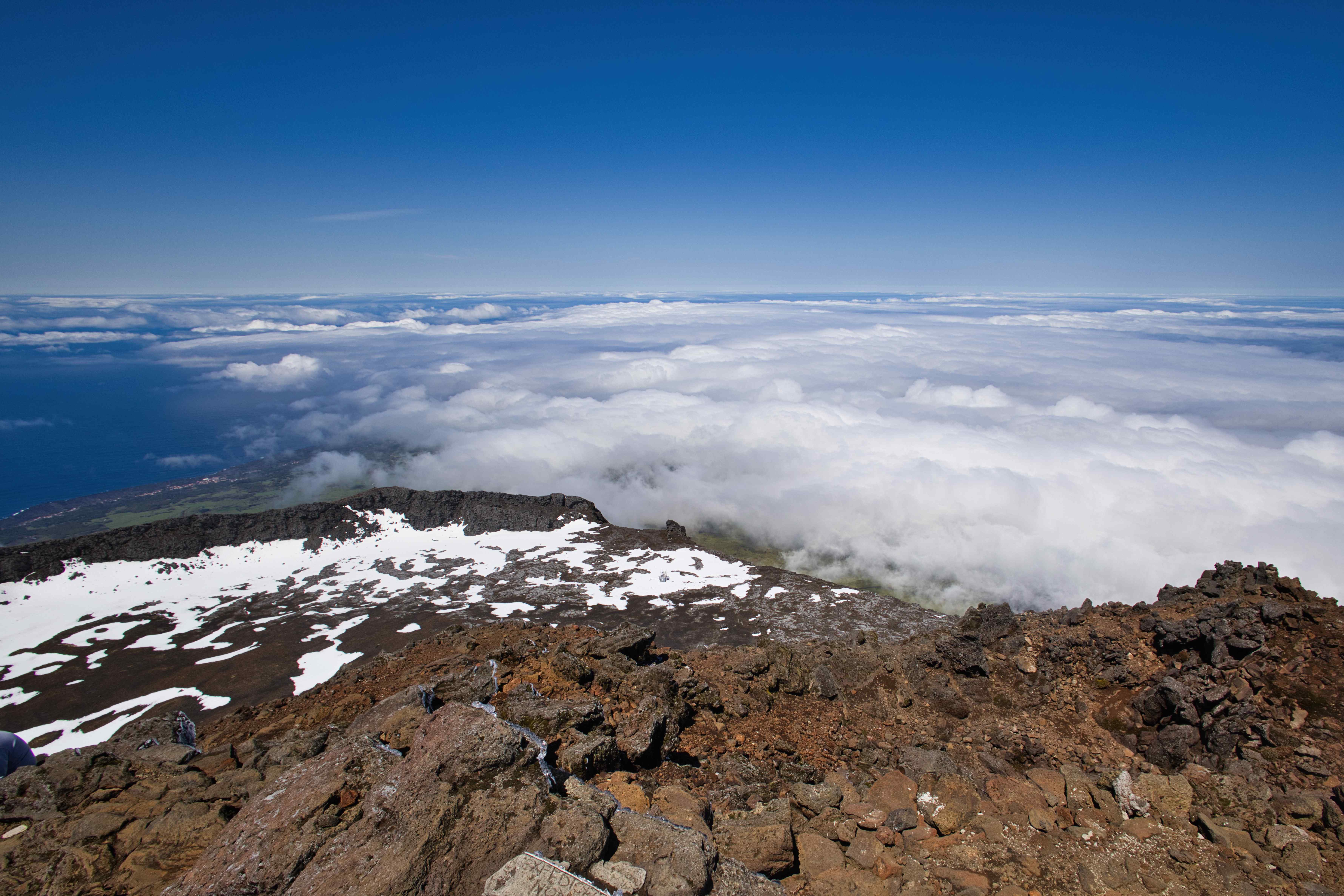
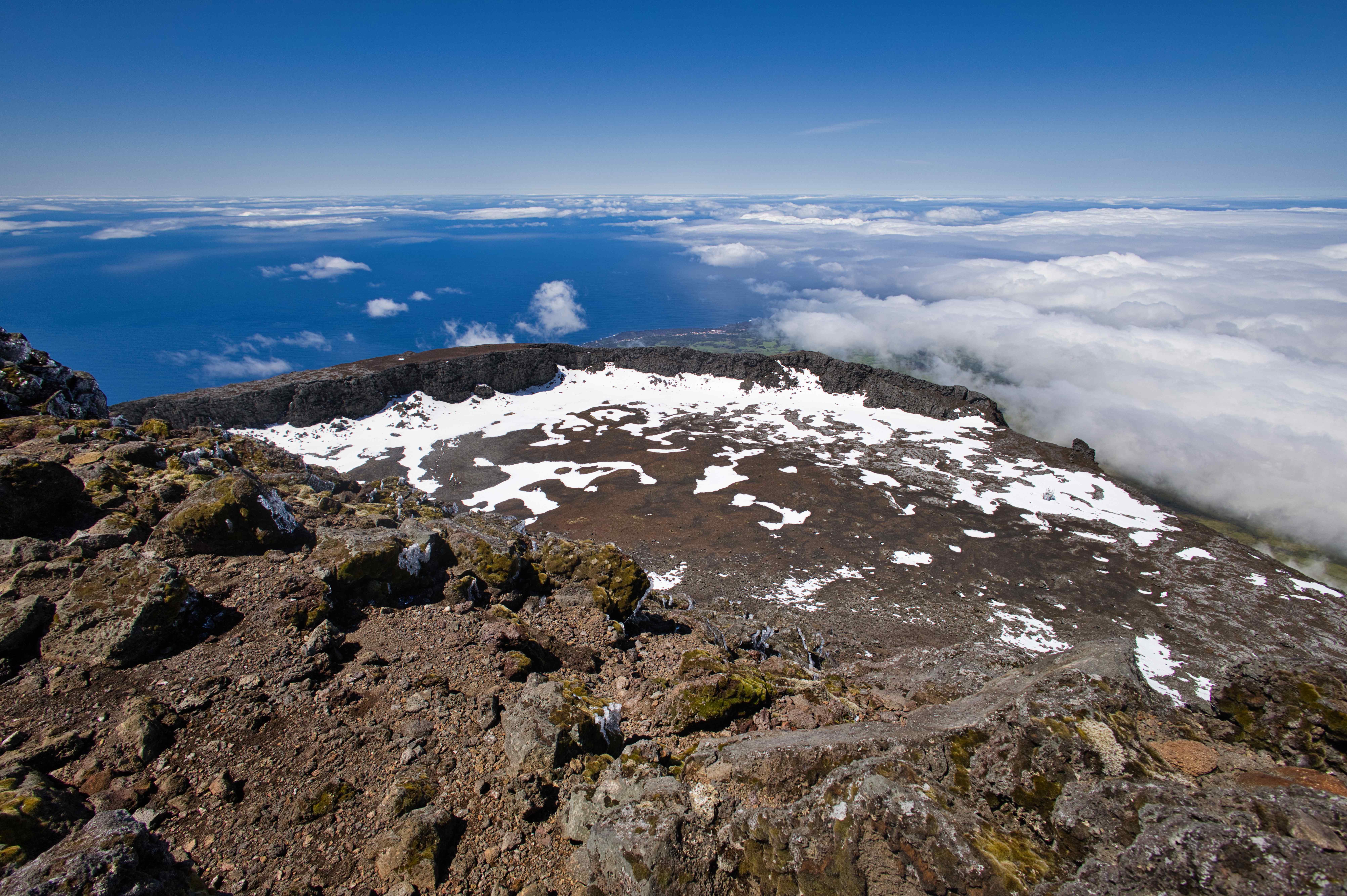
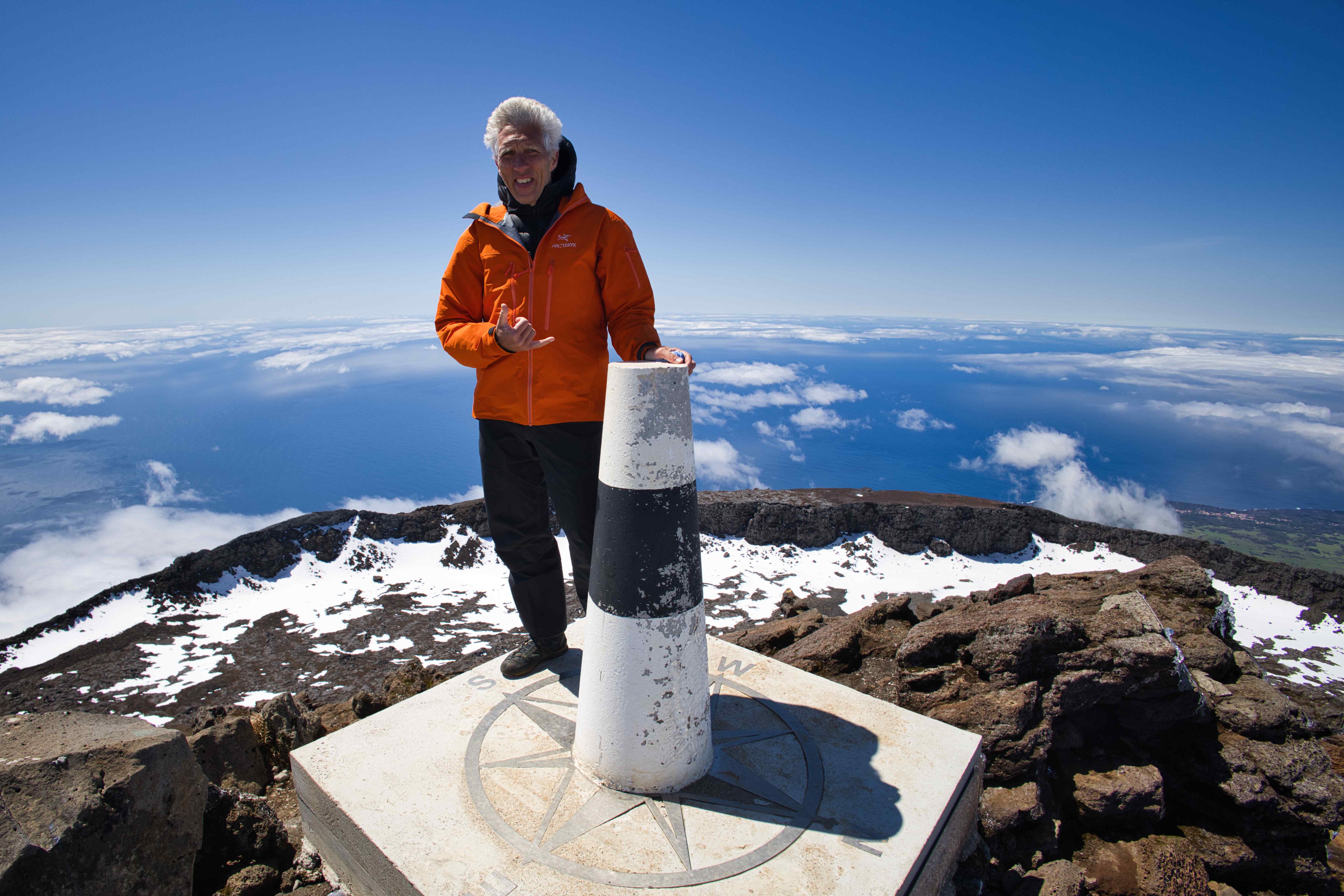
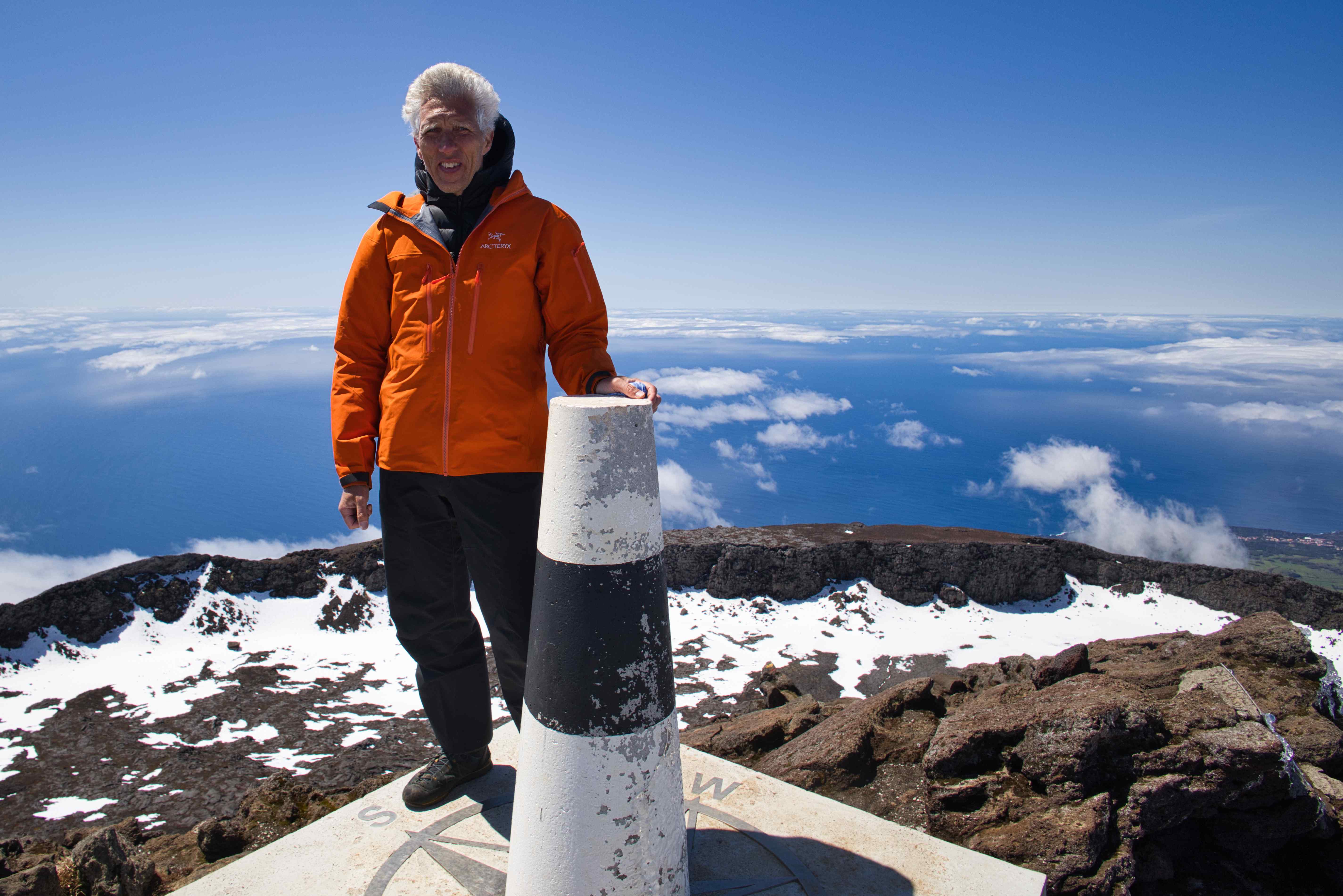
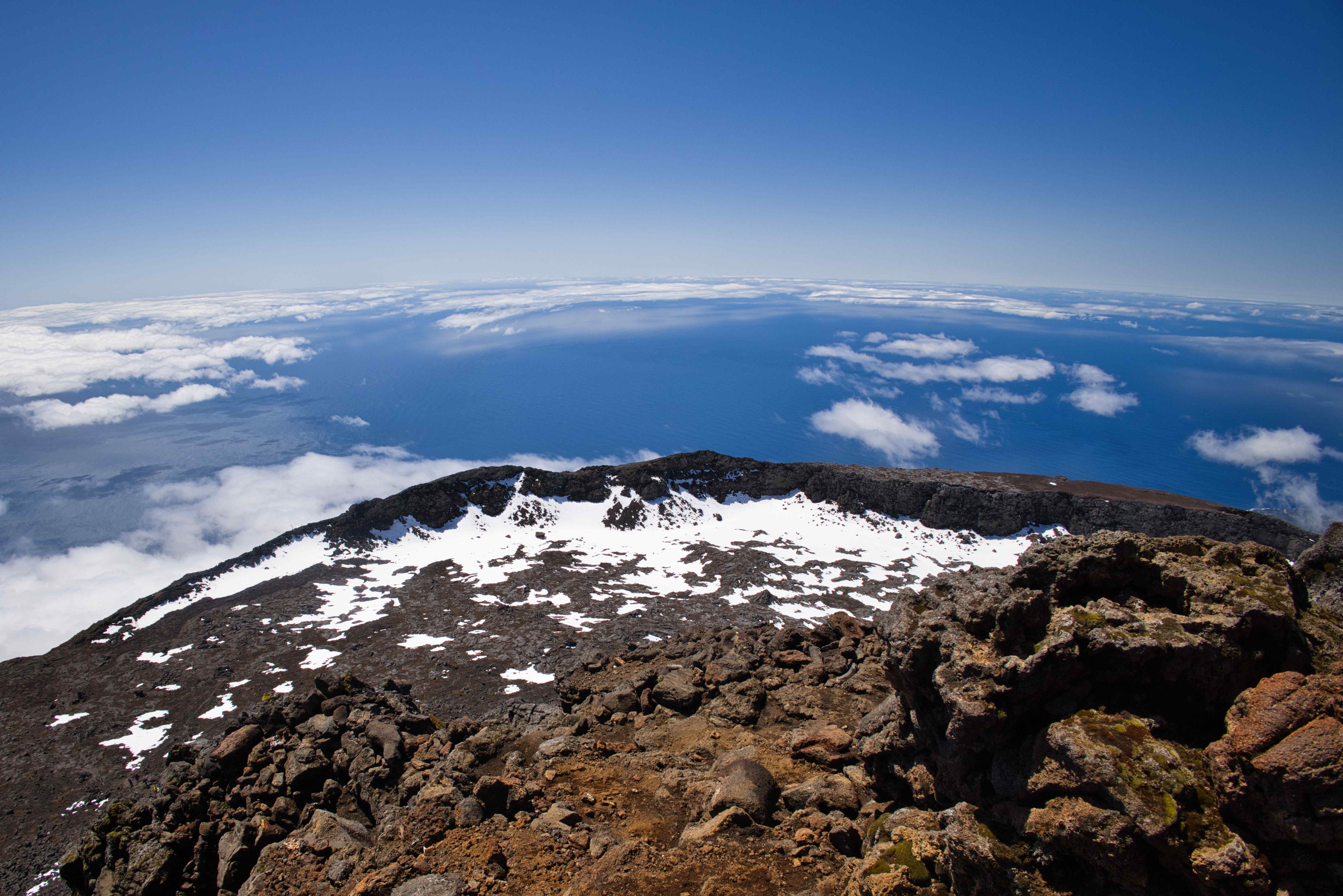
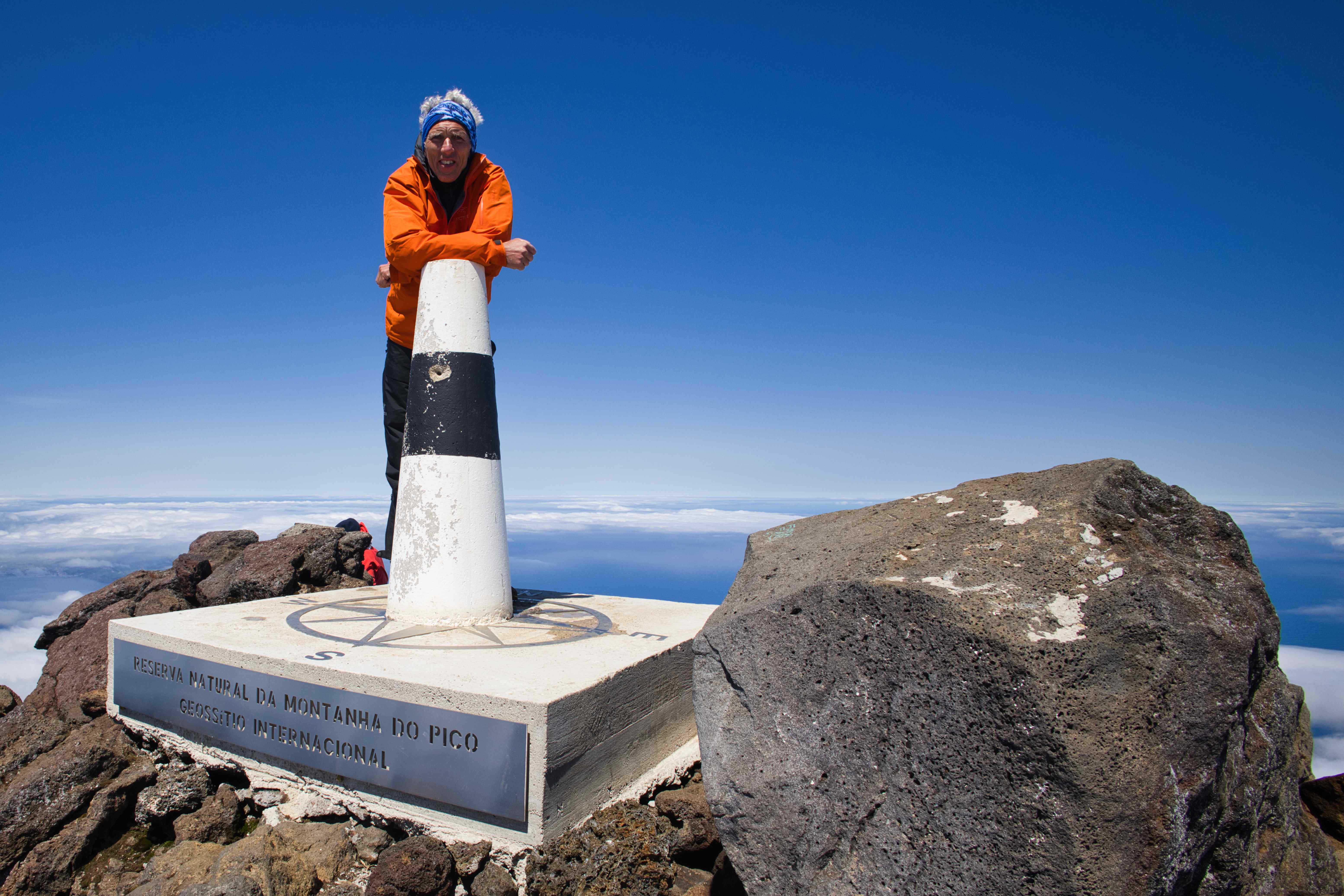
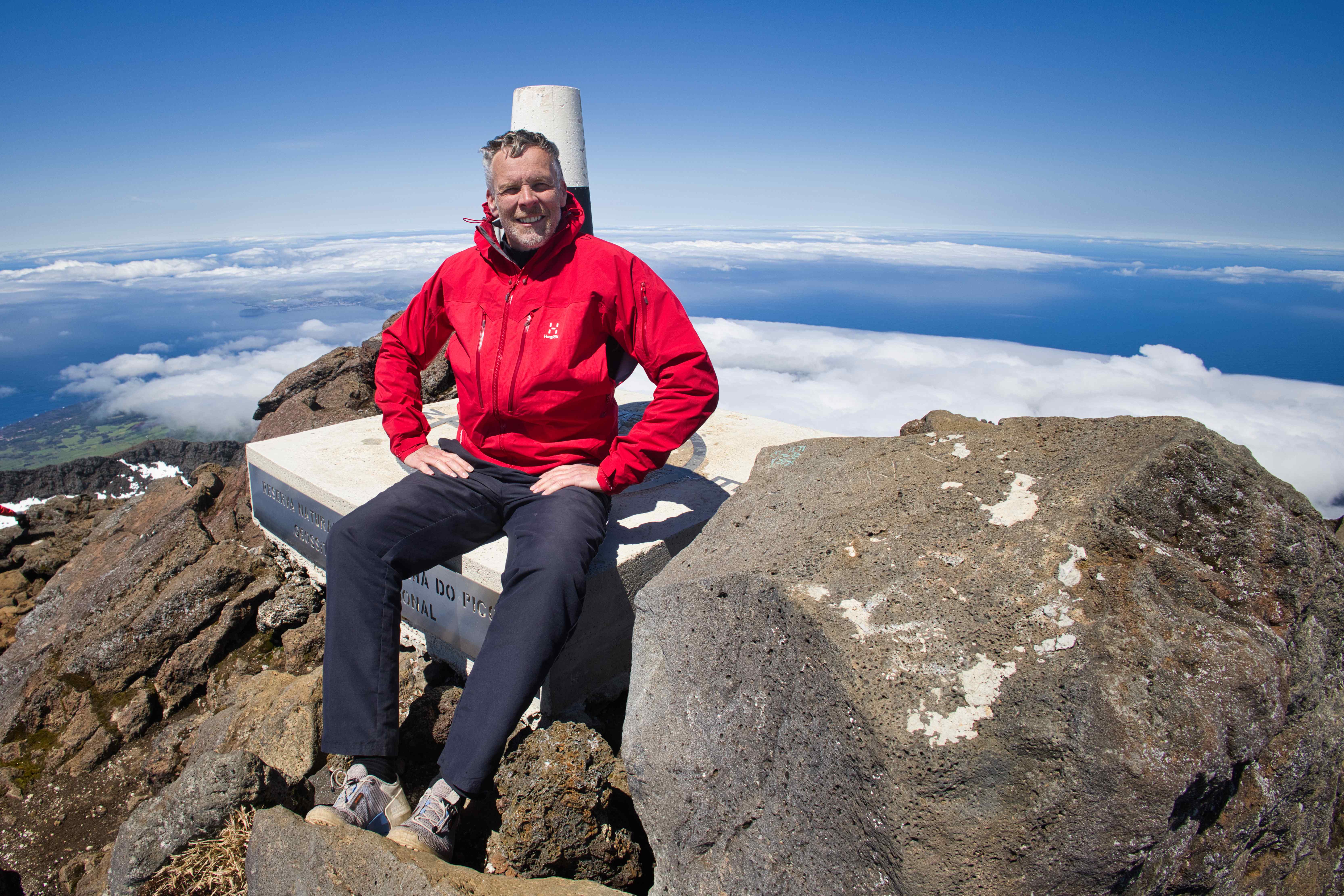
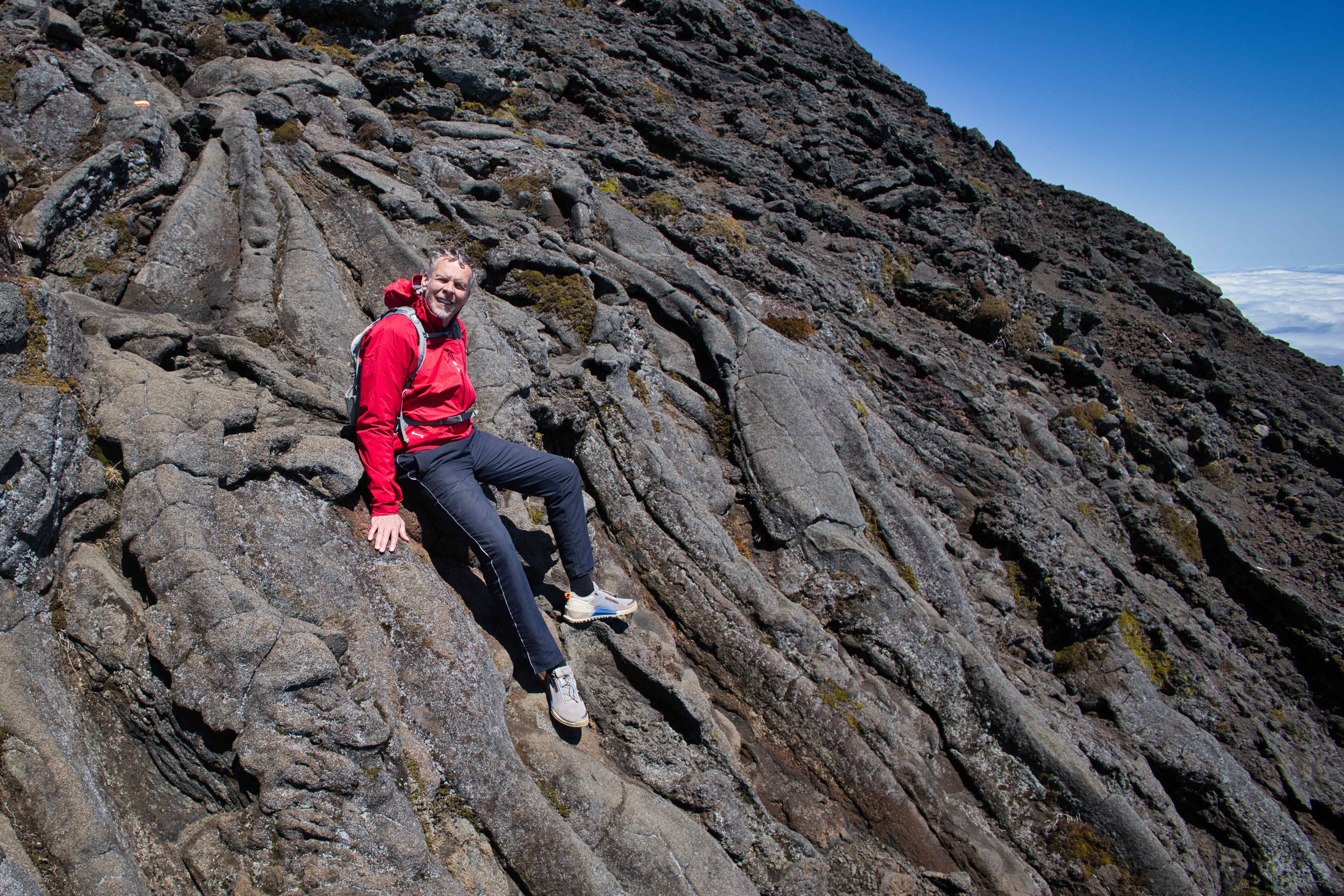
Next day the weather was overcast but just as we got to the Mount Pico trailhead at Casa da Montanha, we got above the clouds. And the clouds stayed low for the whole day so we had the most perfect weather for climbing the volcano. We reached the summit after four hours, what a fantastic climb!





Forth Island – Faial
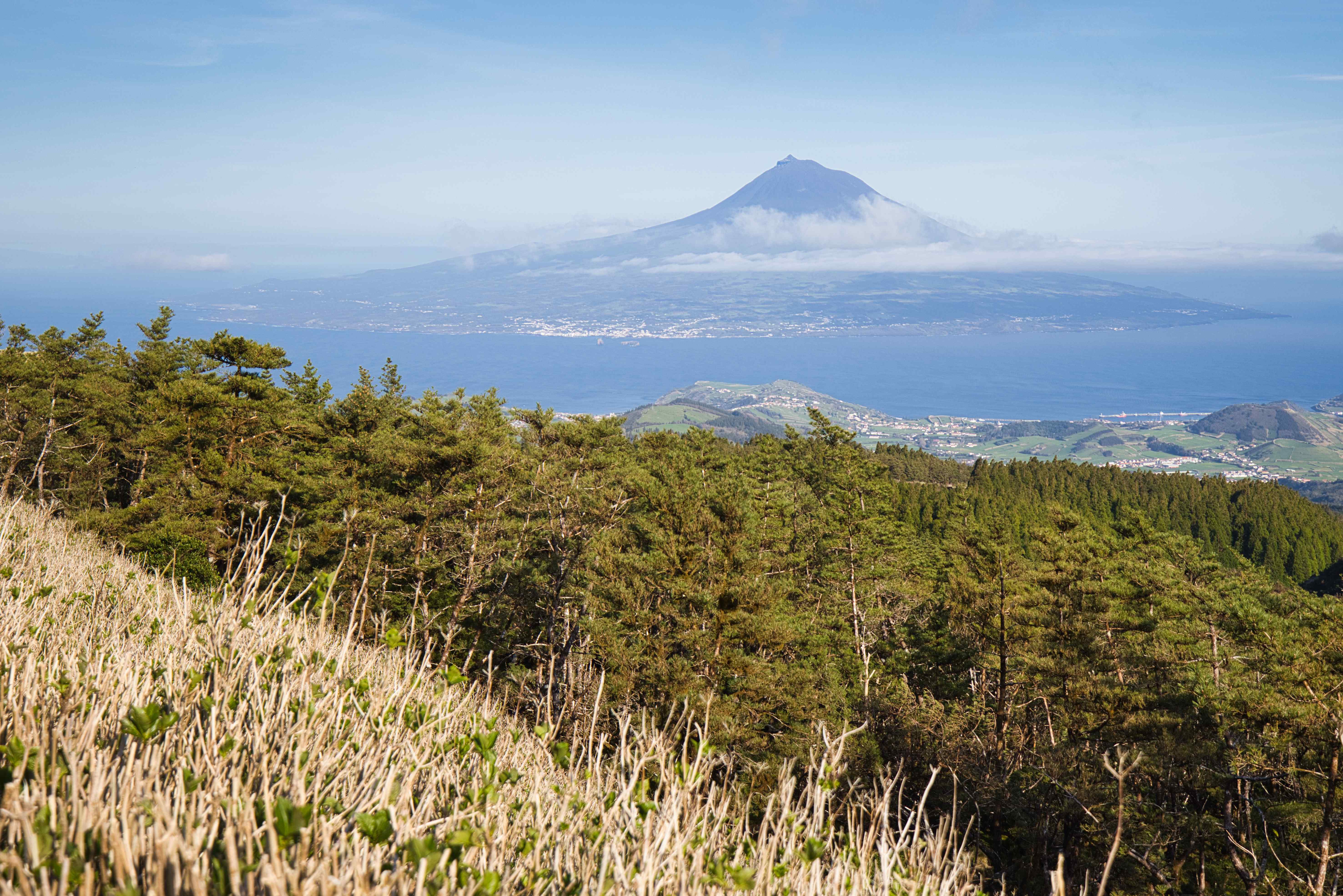
The flight from Pico Island to Faial. We got permission from flight controllers to do some flightseeing around the summit of Mount Pico. We had to file an IFR flight plan with a STAY/0015 at FL70 around the summit for doing this, because the summit goes 2000 feet up into class A airspace (where VFR traffic is not allowed).

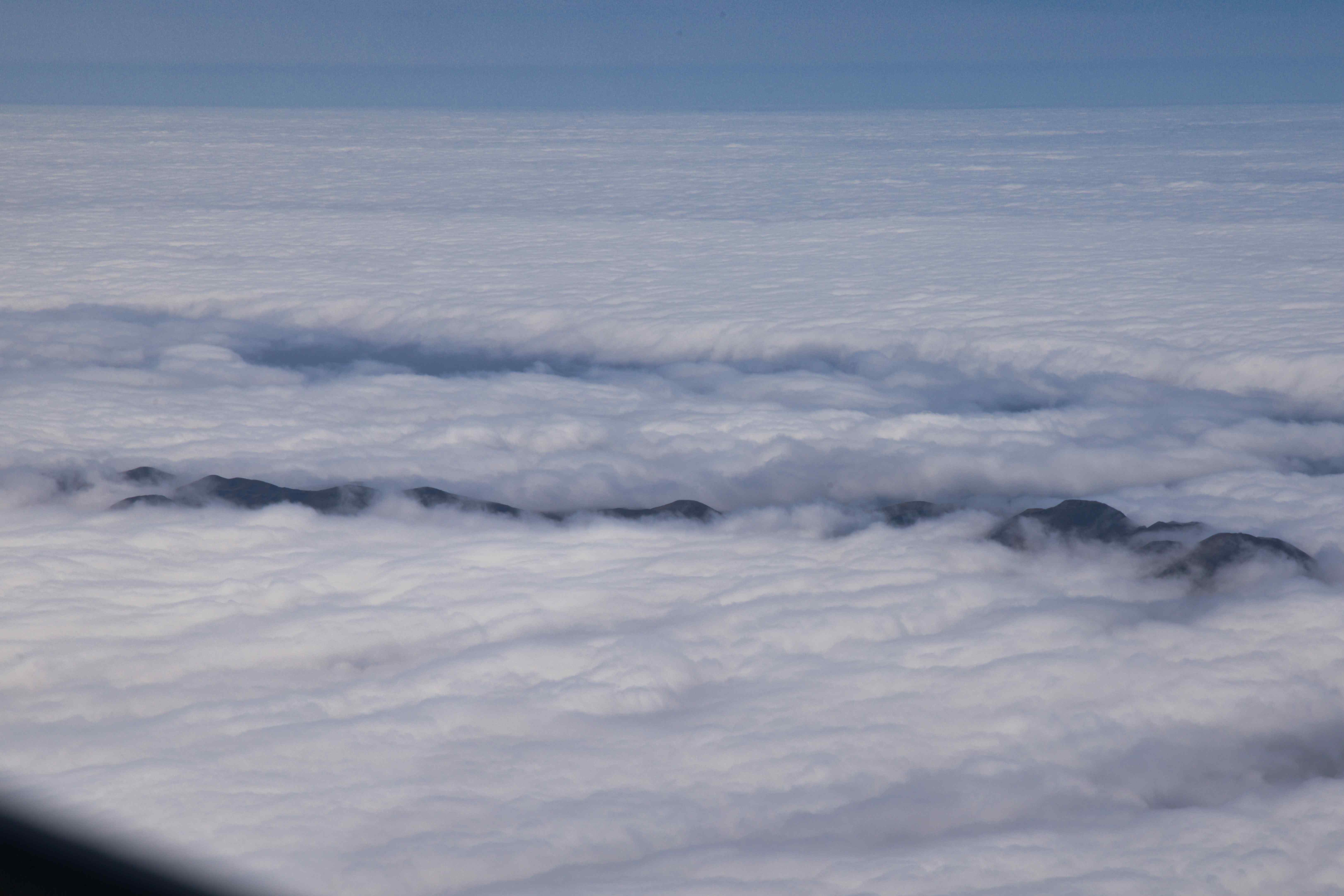
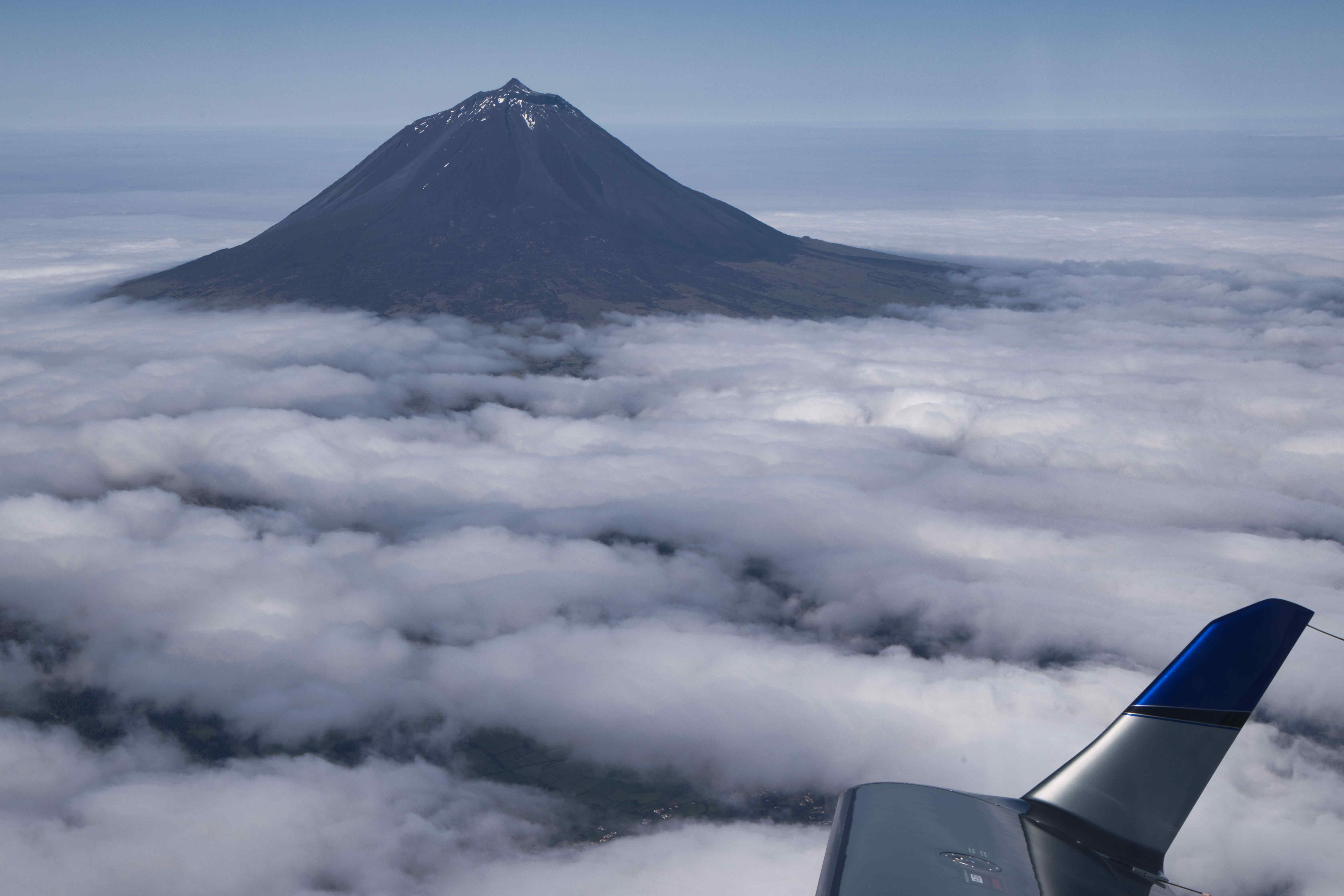


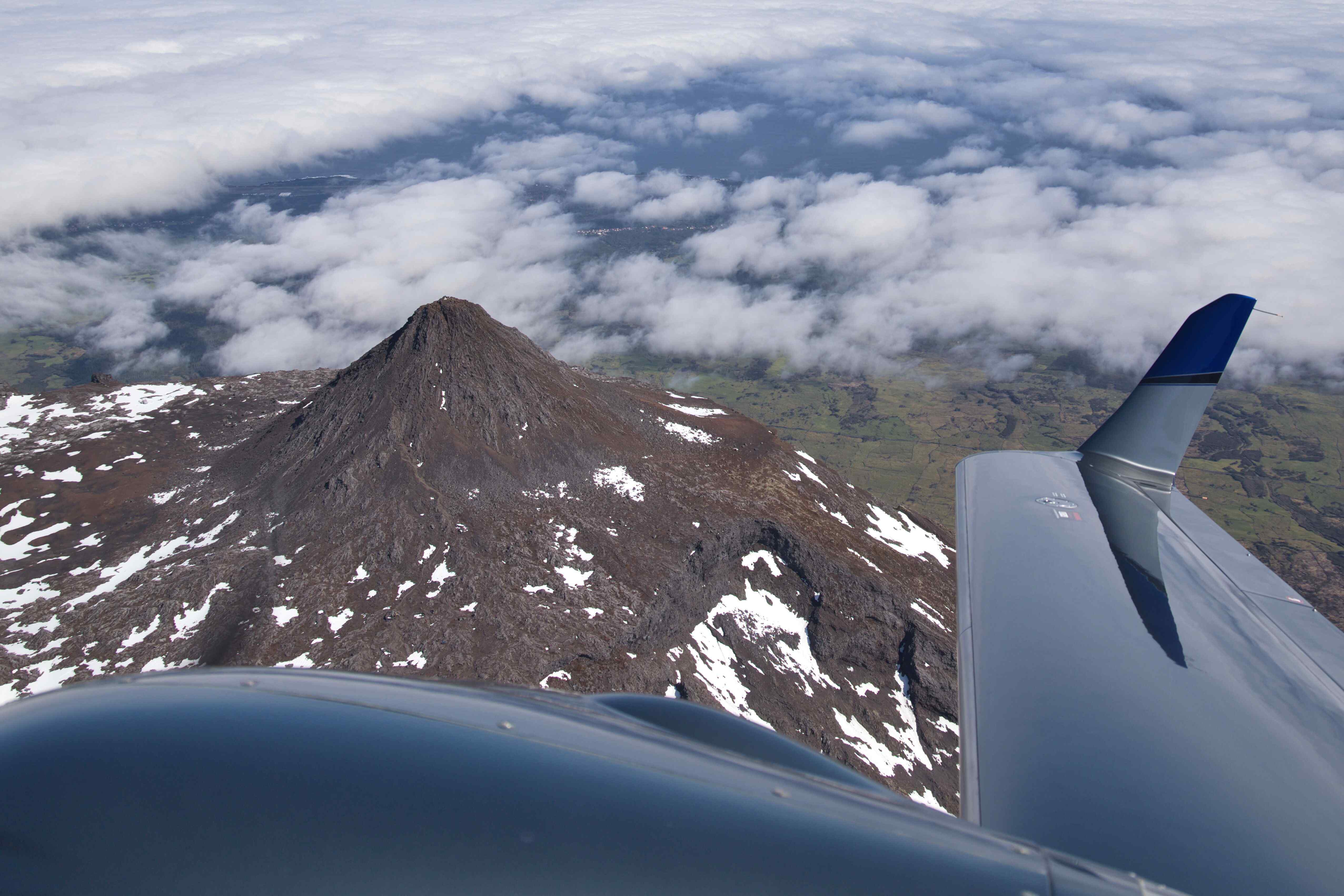
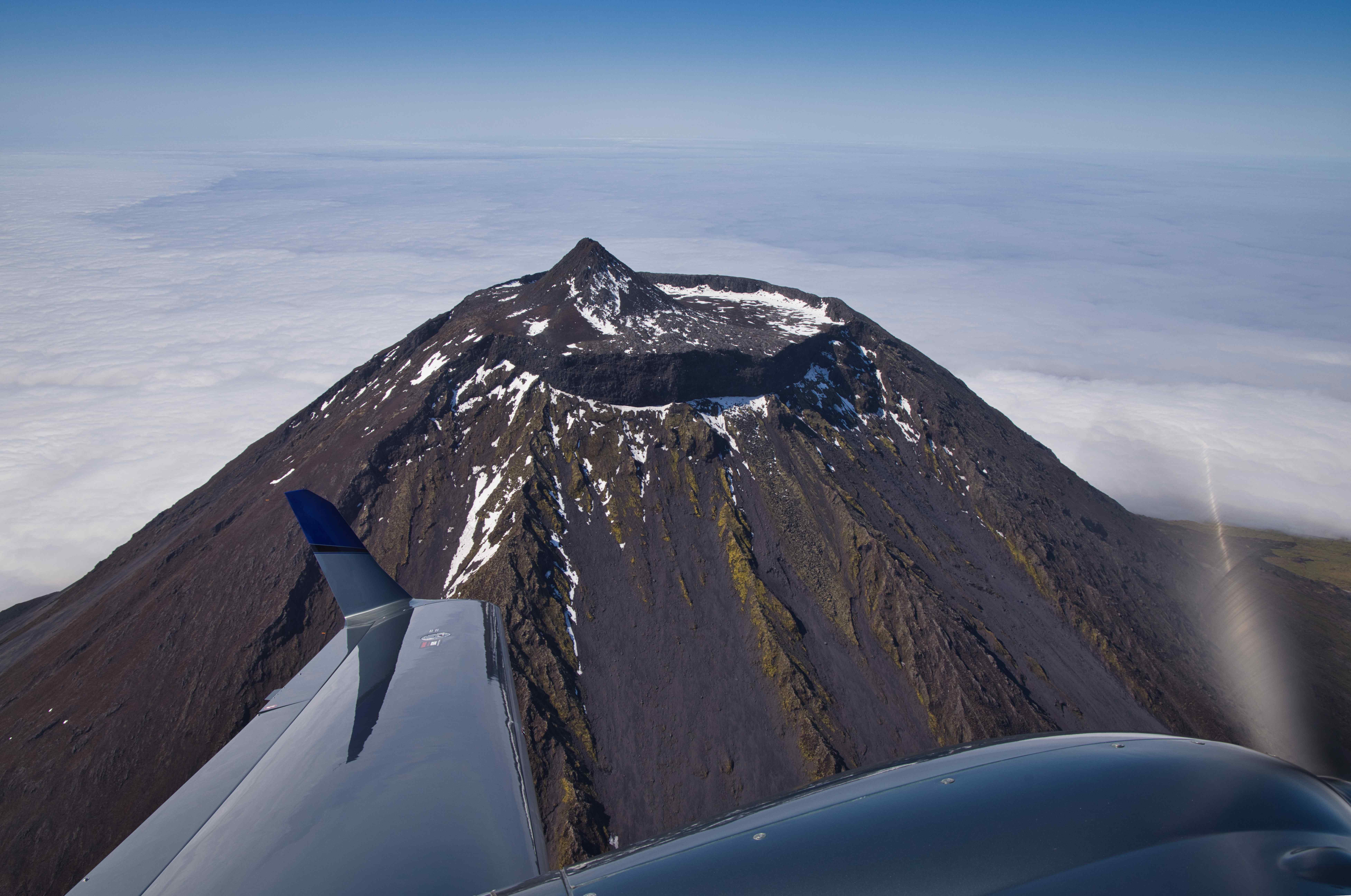
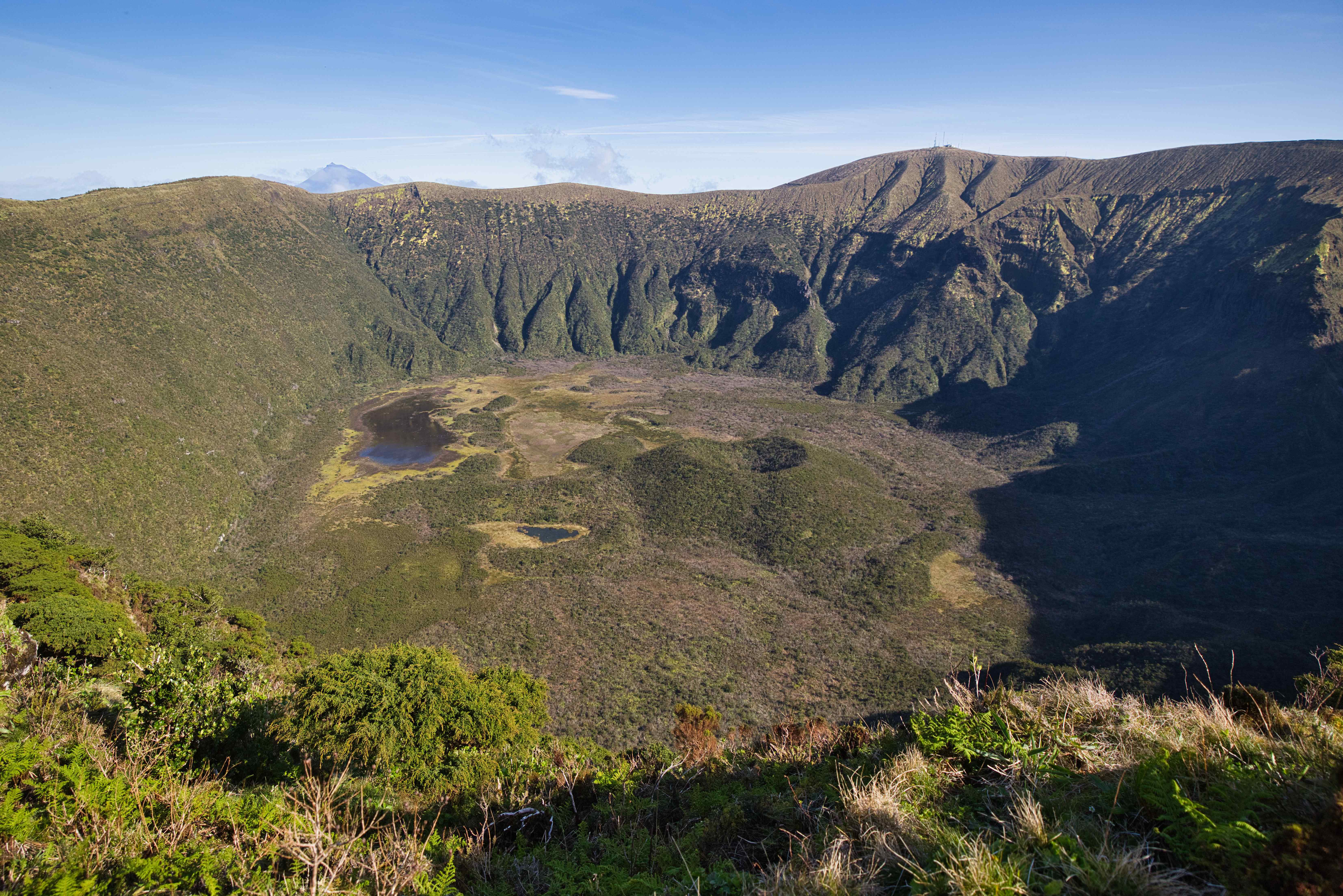
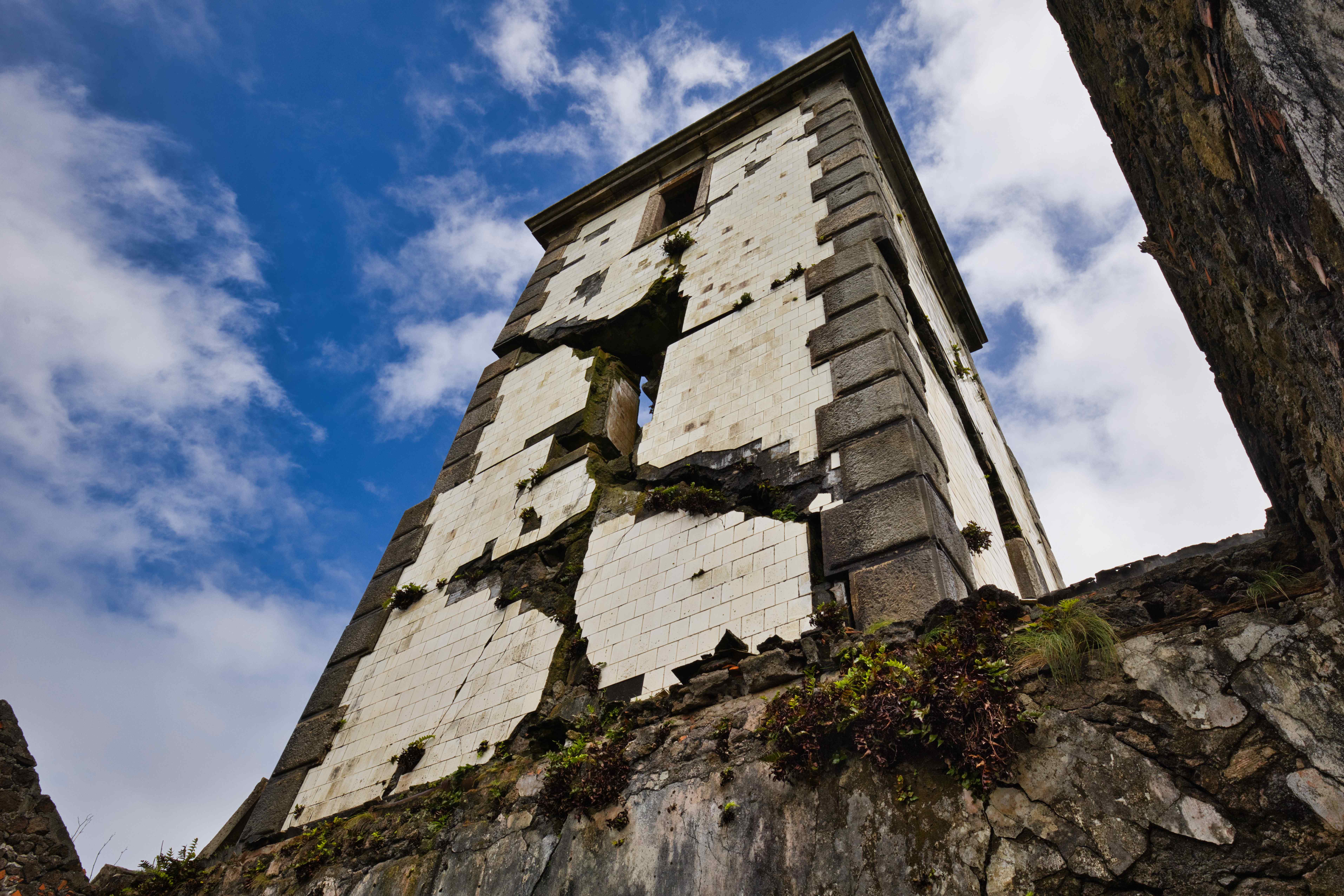
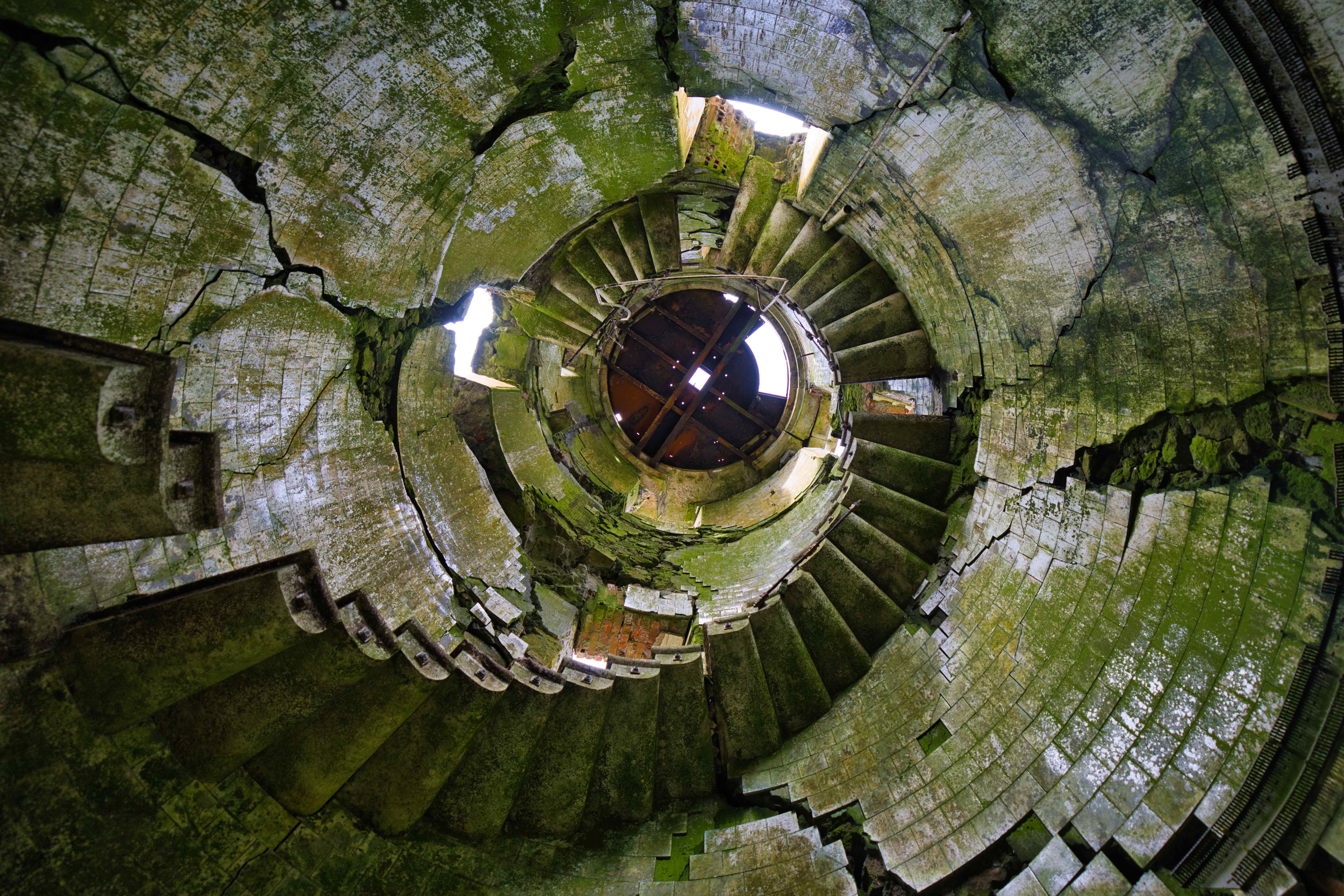
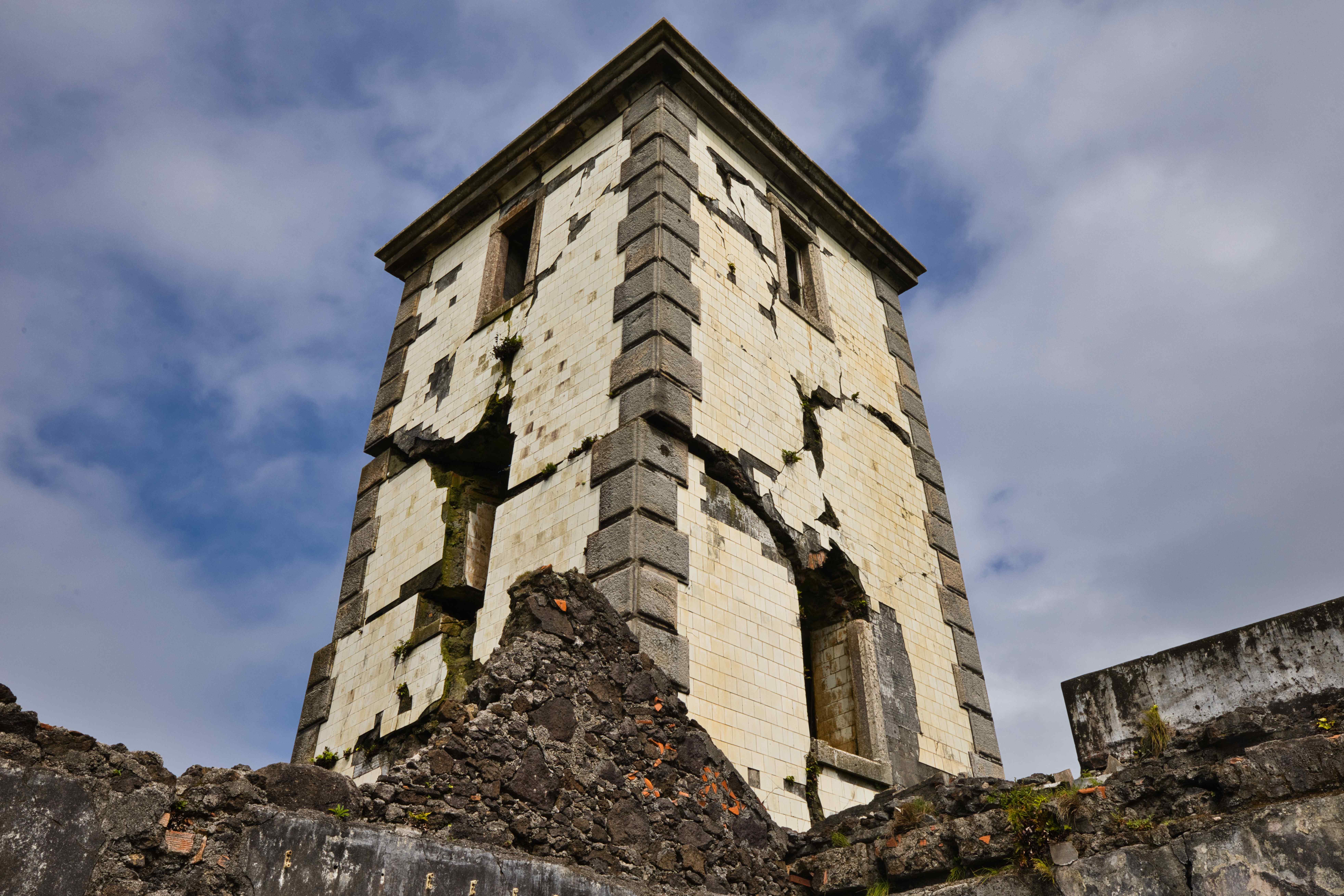
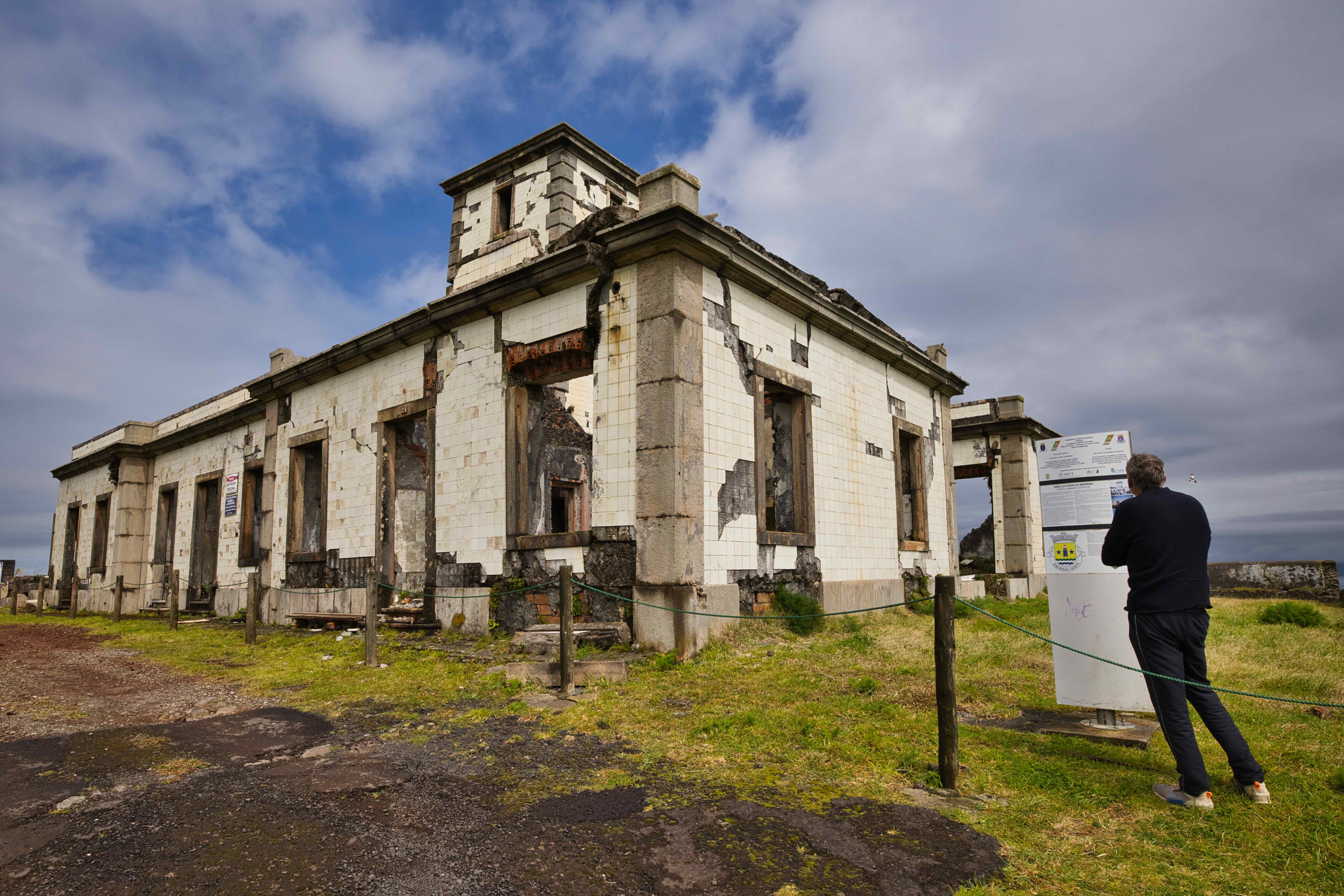
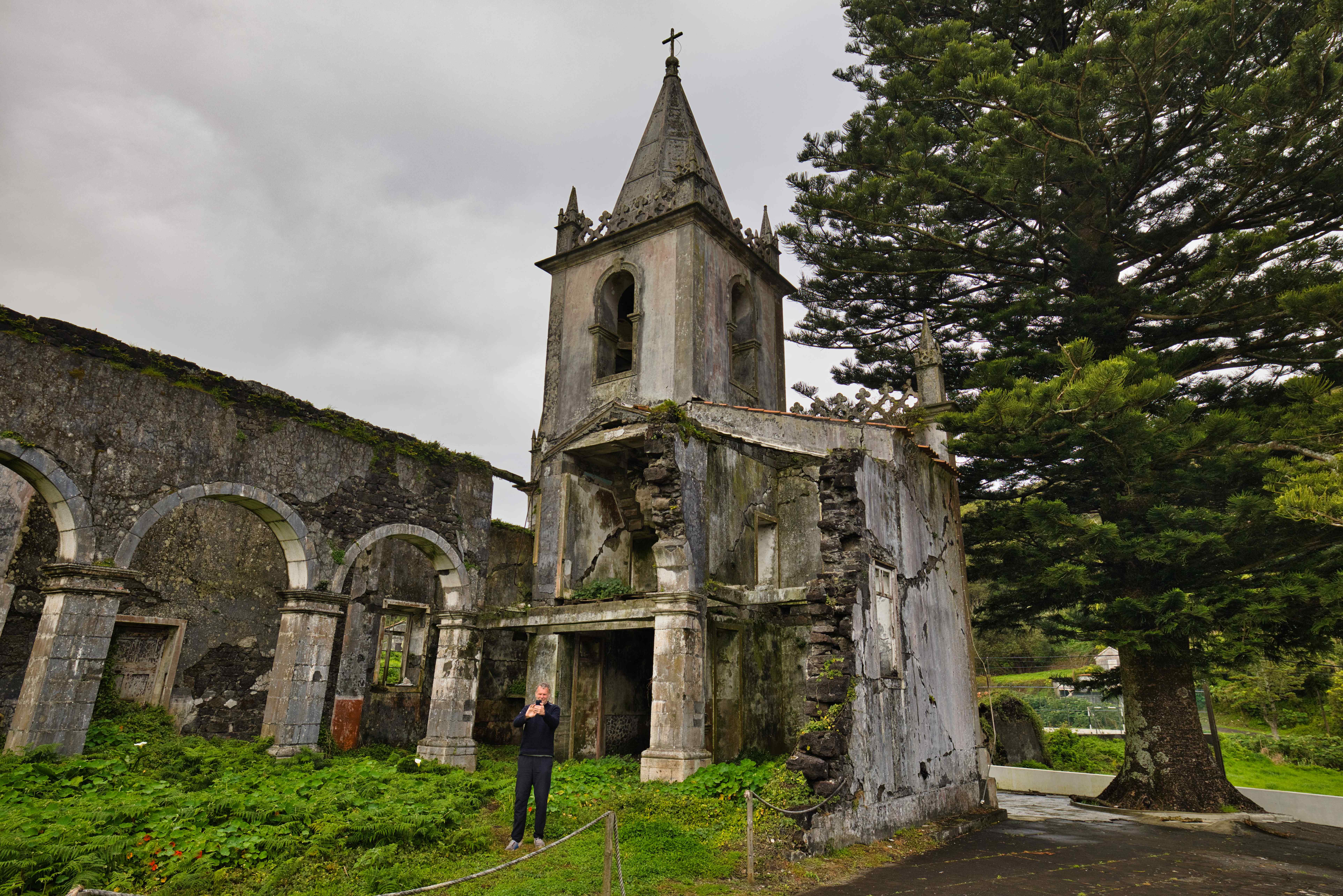
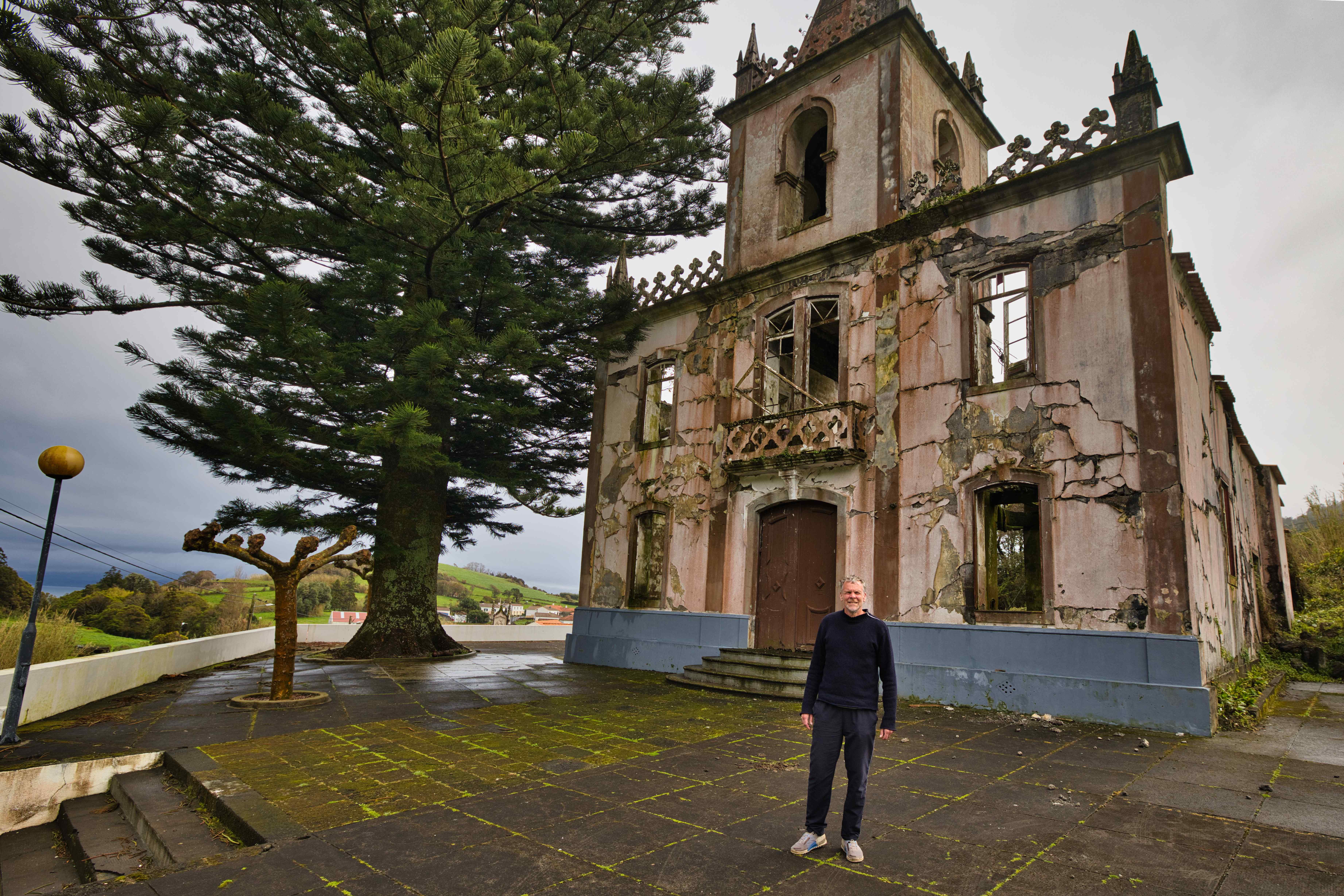
Two nights on Faial. The full day was spent doing sightseeing and hiking. We hiked all the way around the central crater Caldeira do Cabeço Gordo, we visited Ribeirinha Lighthouse which was severely destroyed by an earthquake in 1998. And nearby Igreja de São Mateus, also destroyed by earthquakes. And finally Vulcão dos Capelinhos on the westernmost tip of Faial.
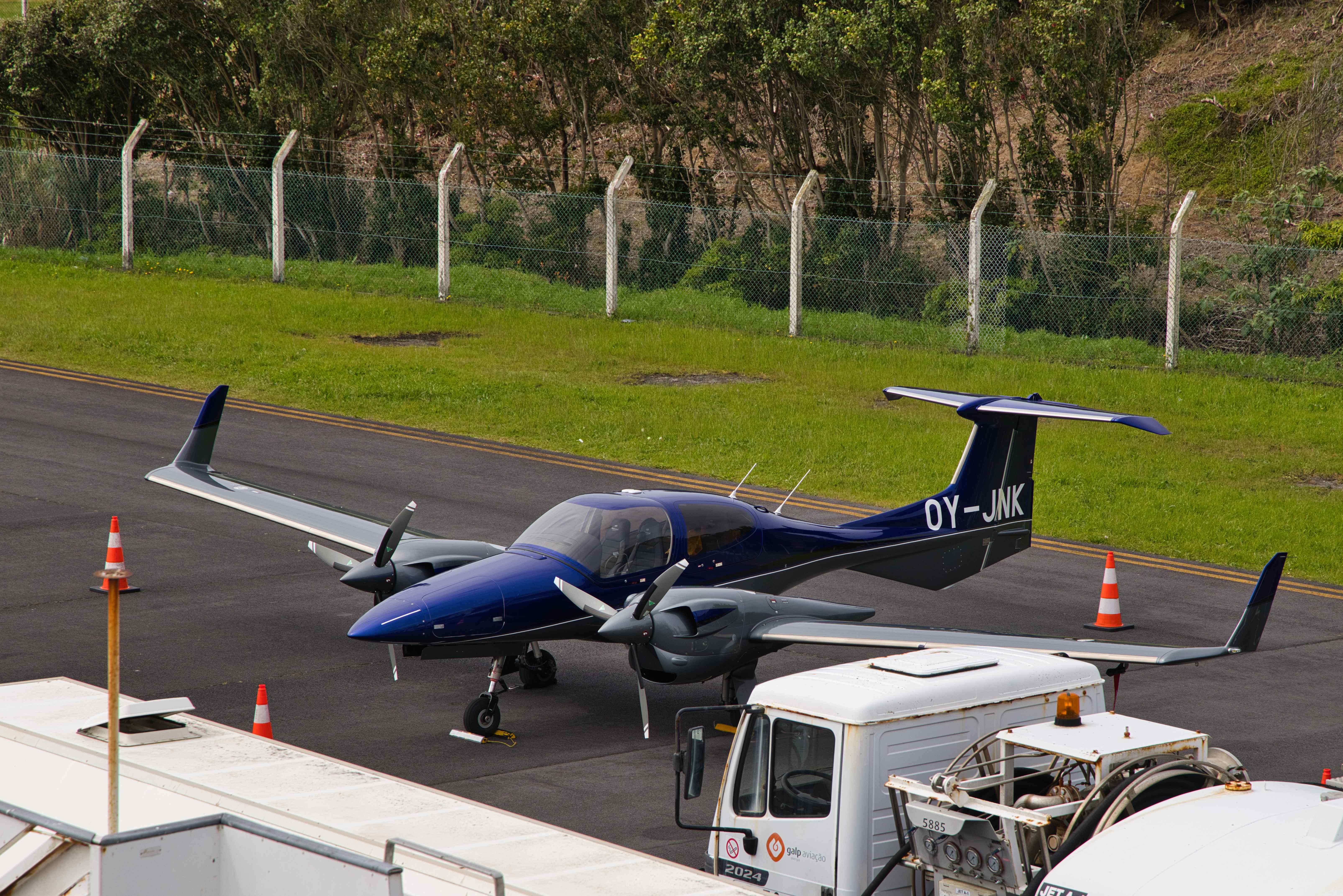
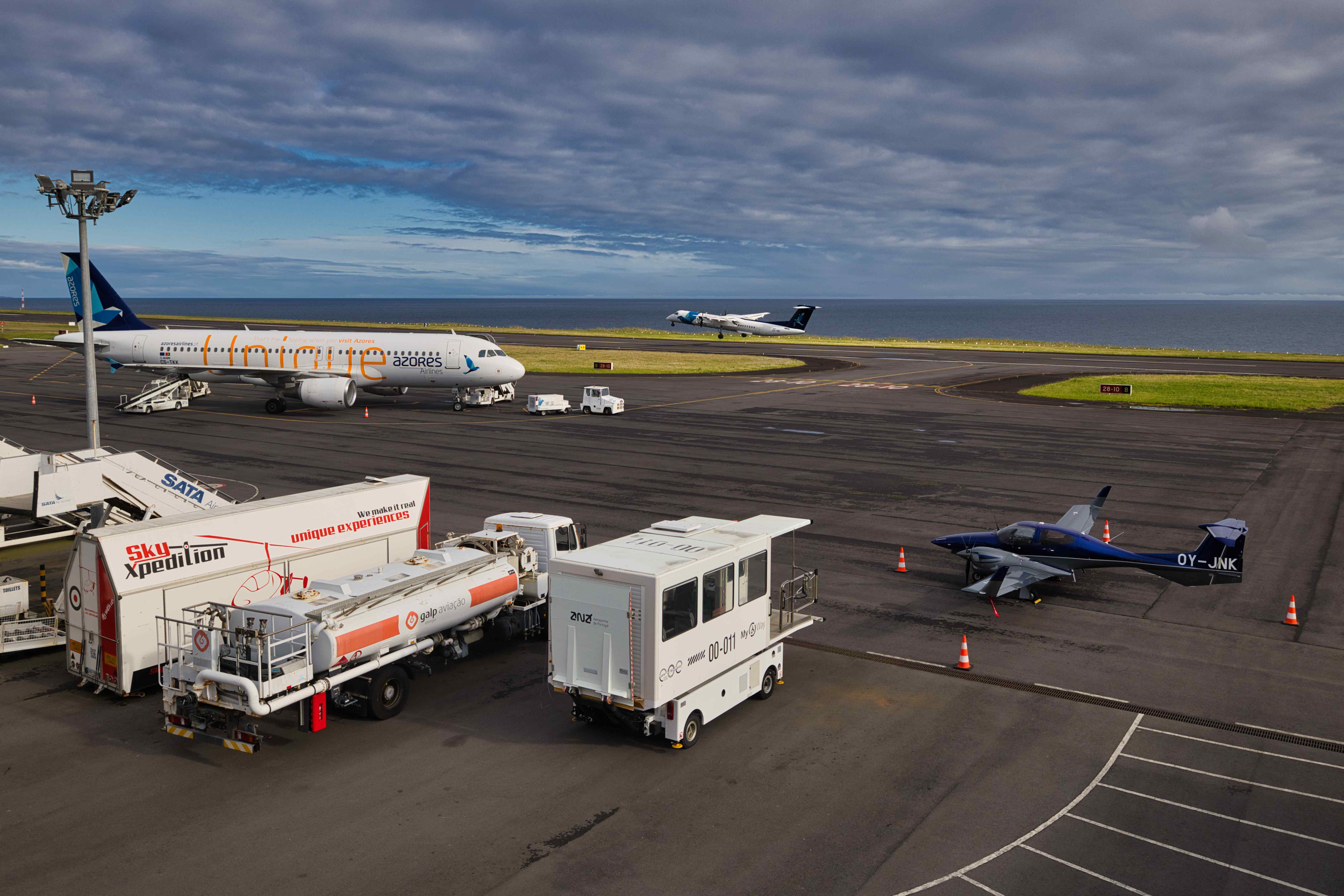
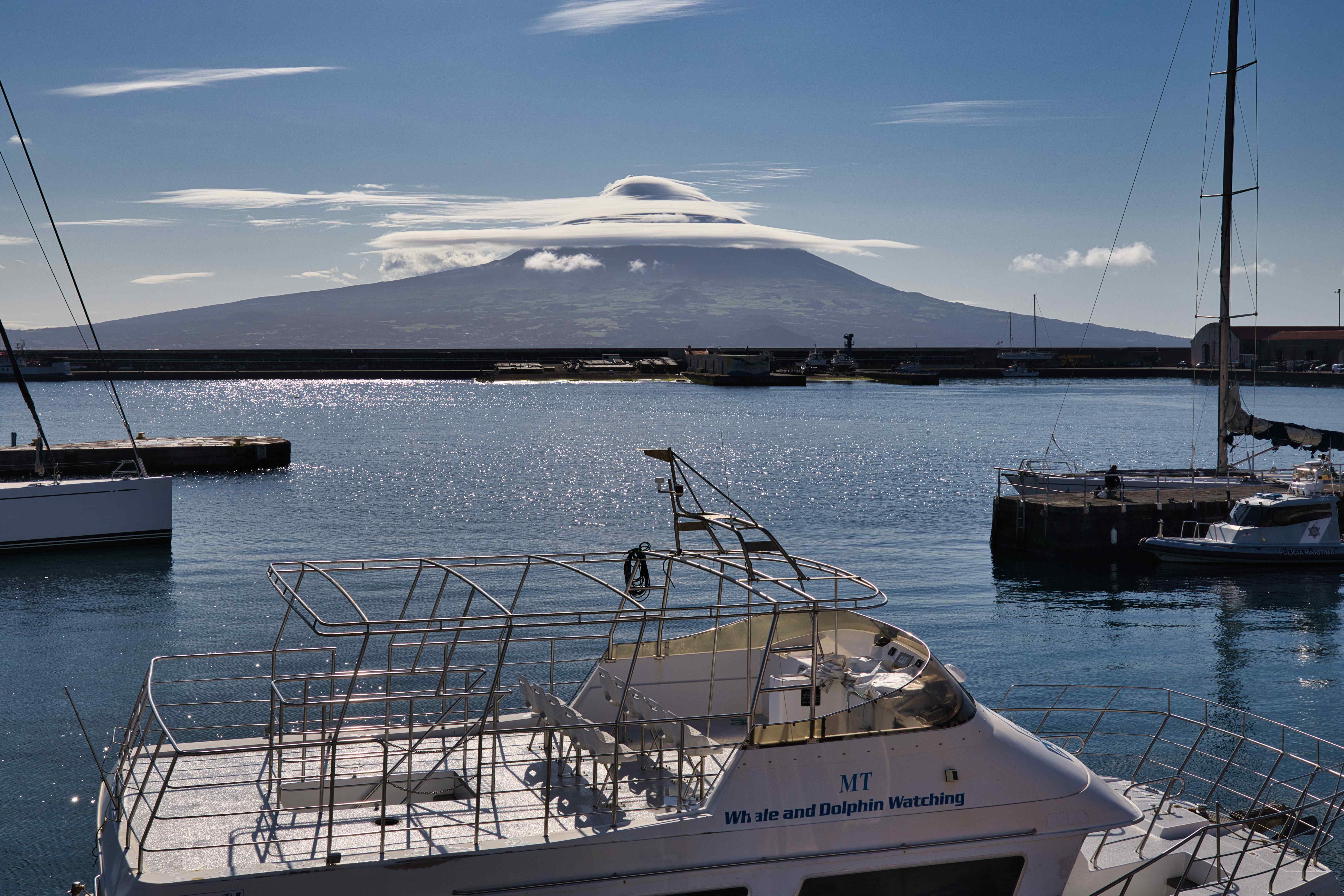
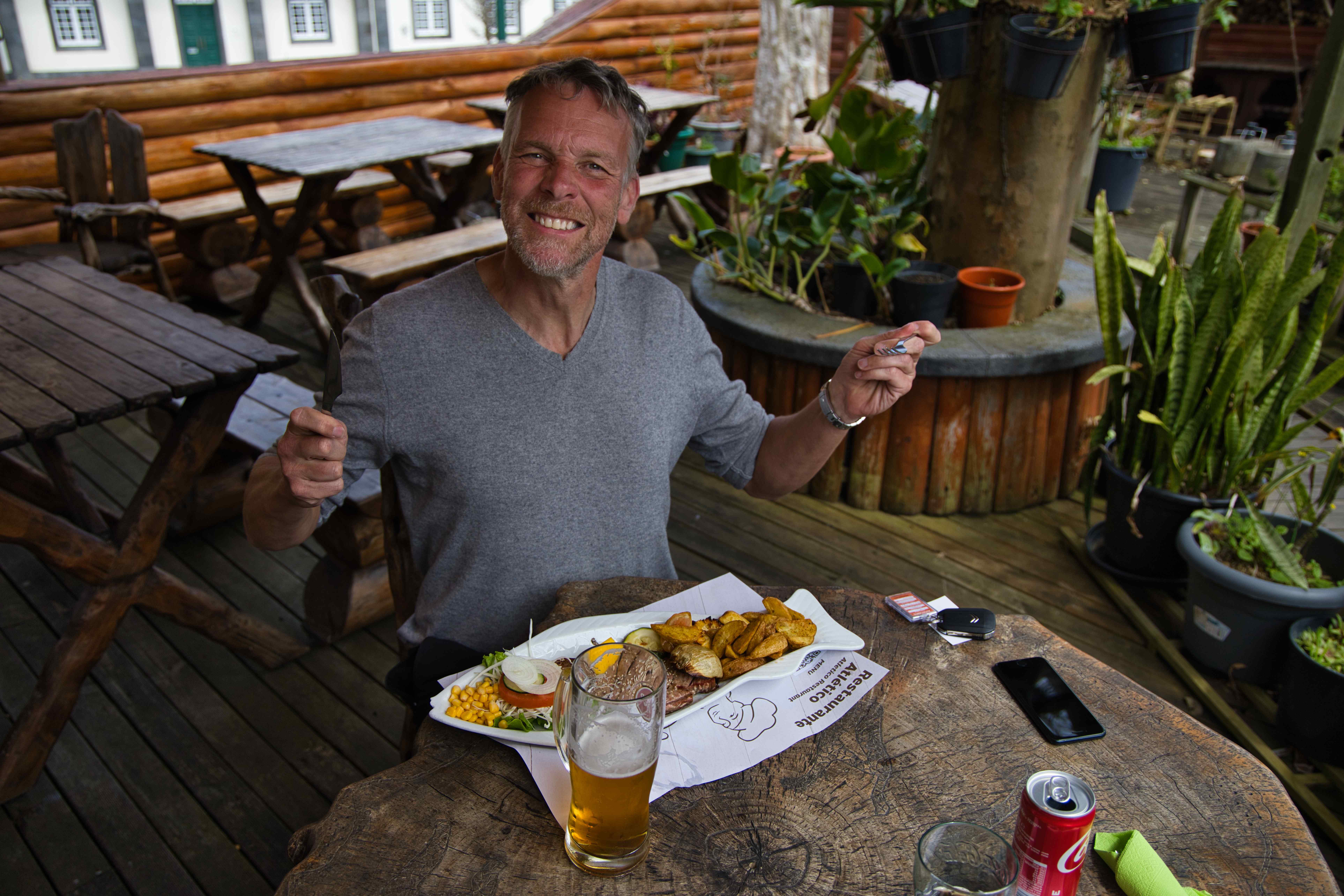
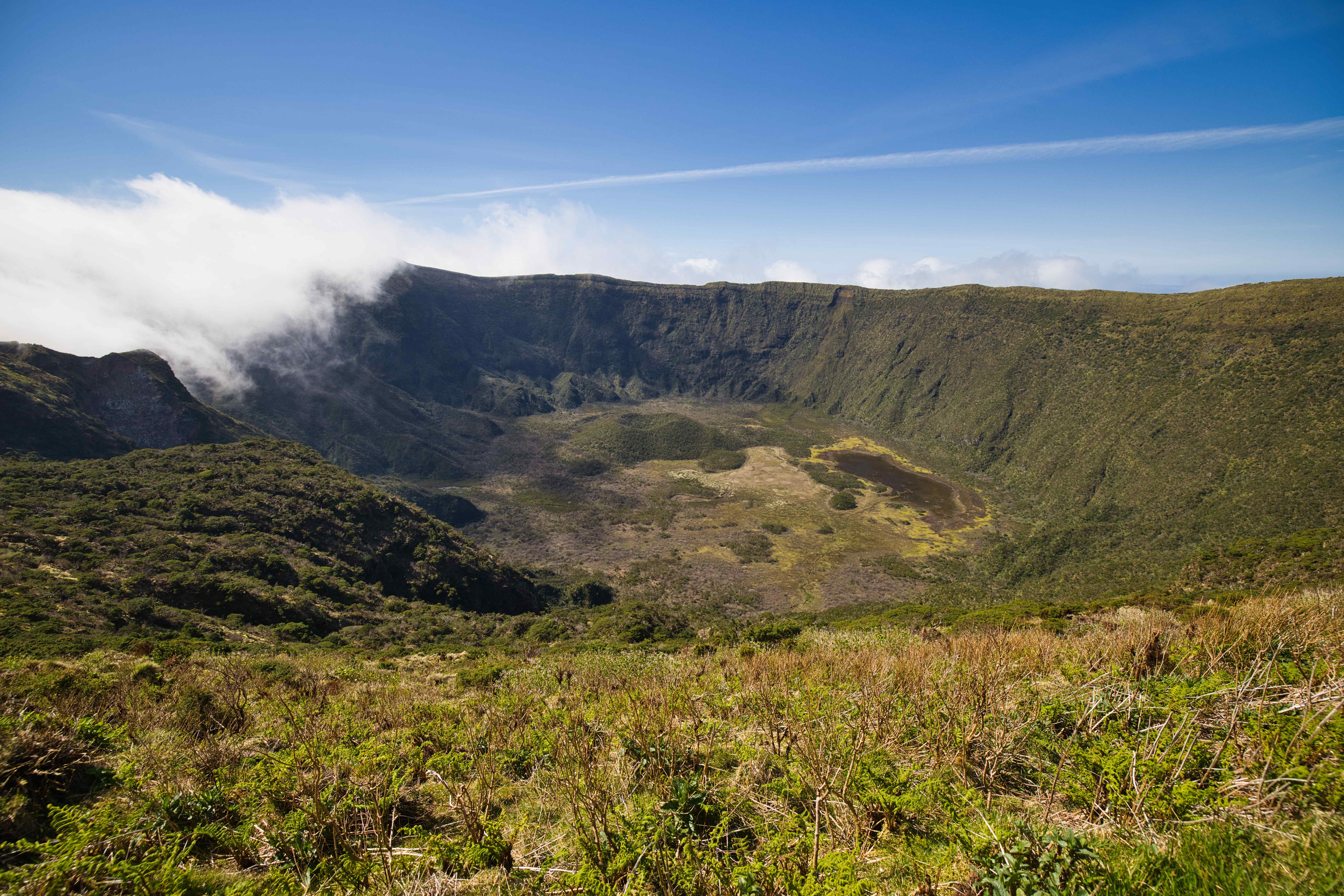
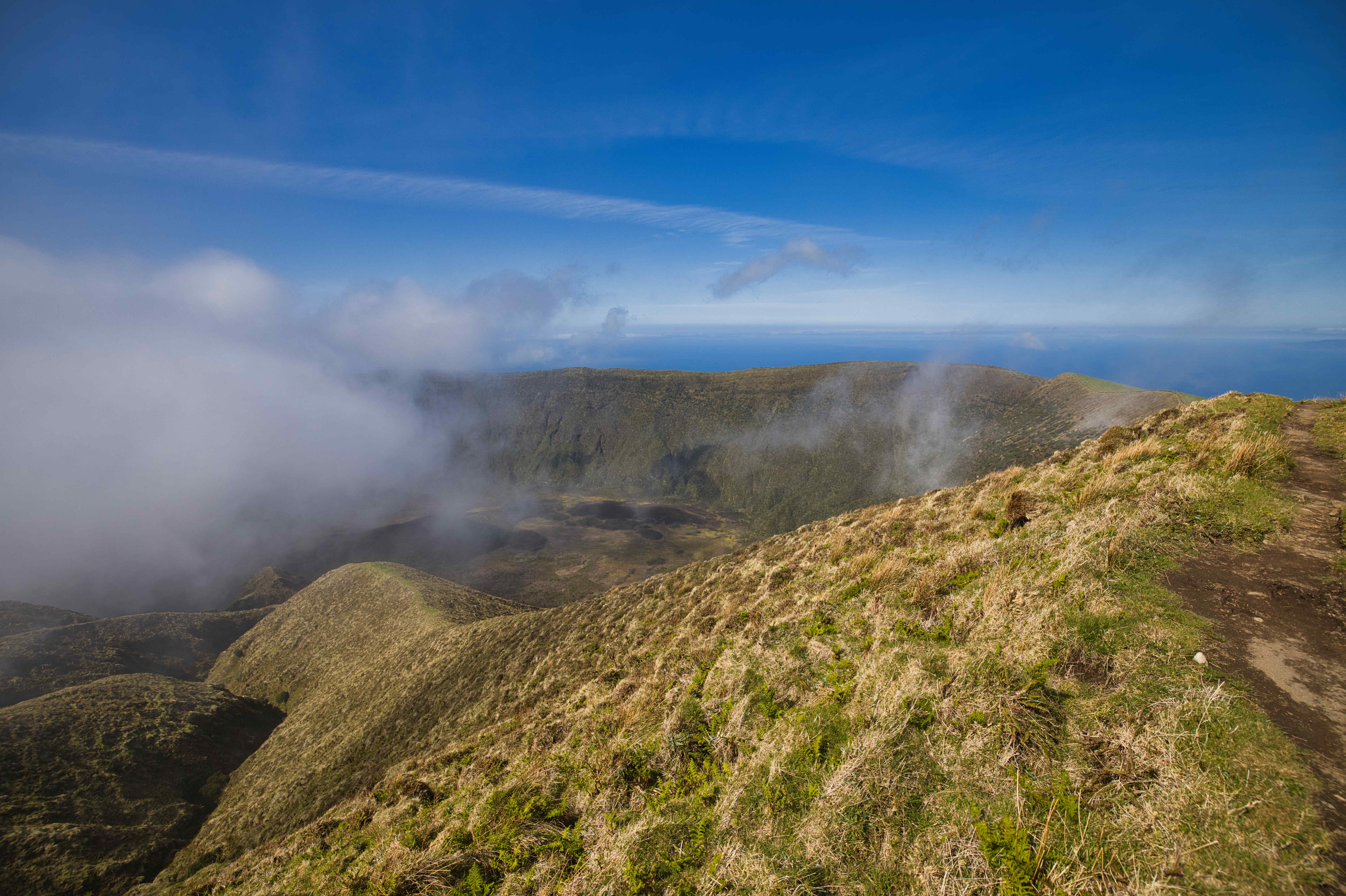
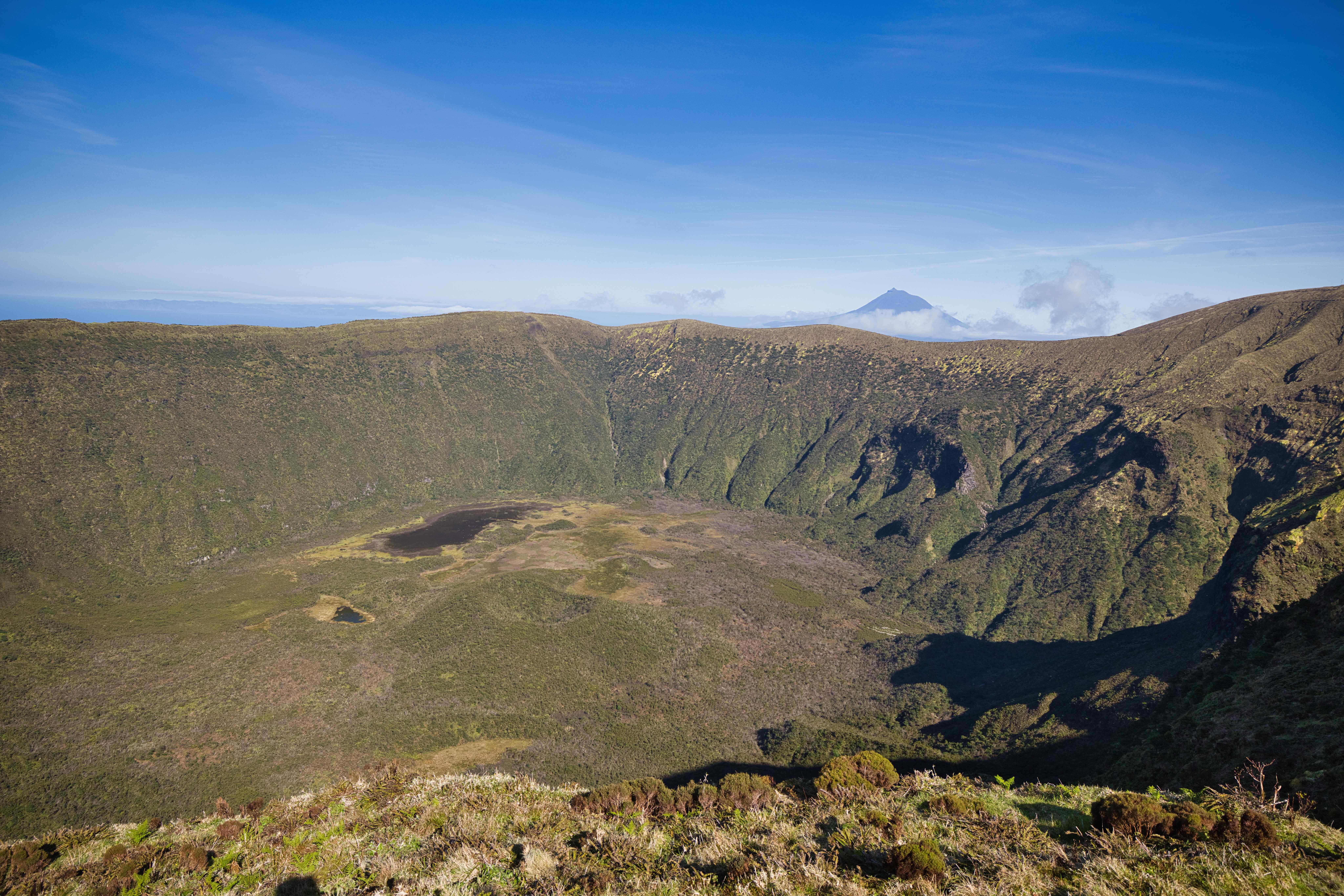





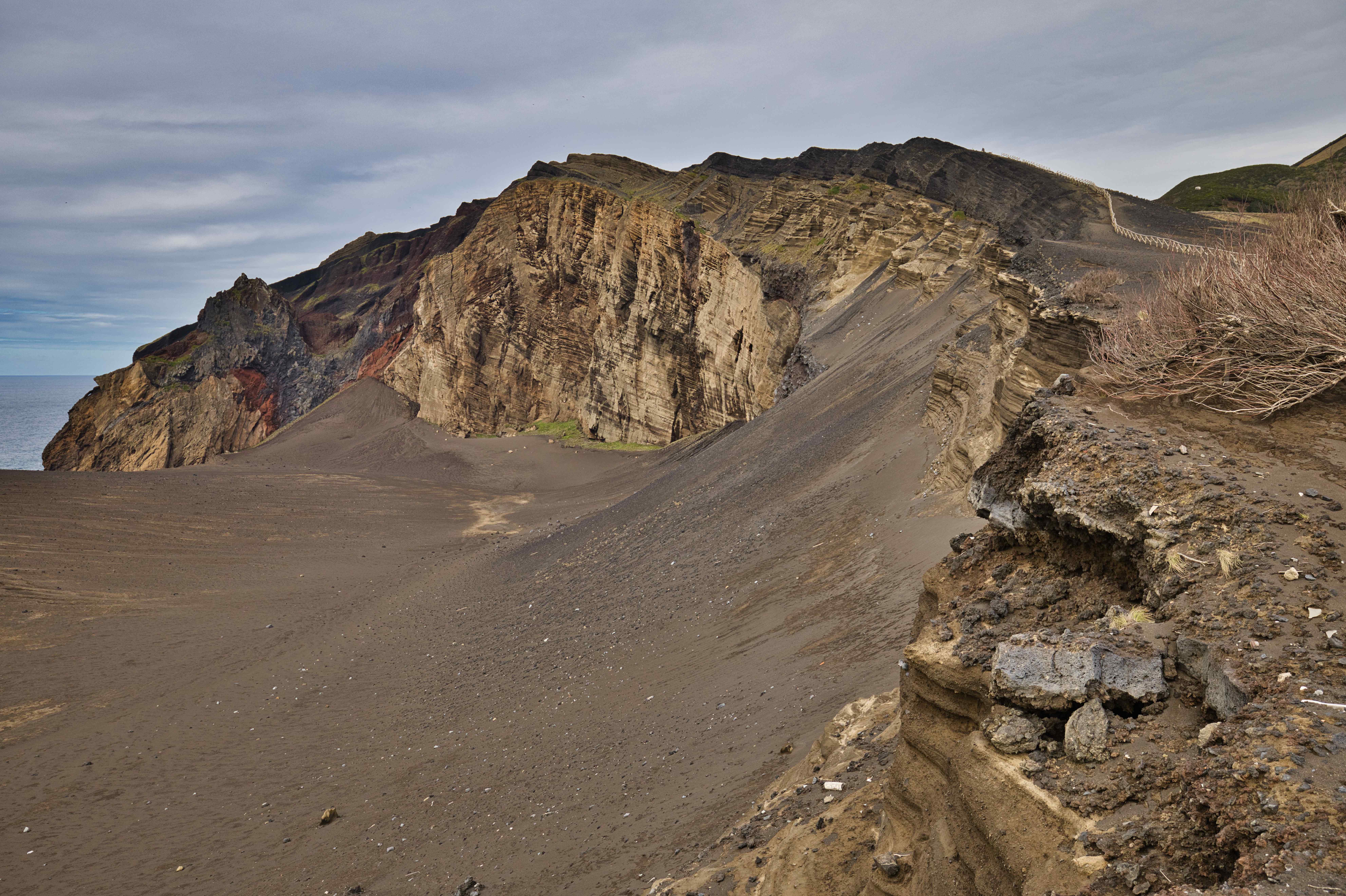
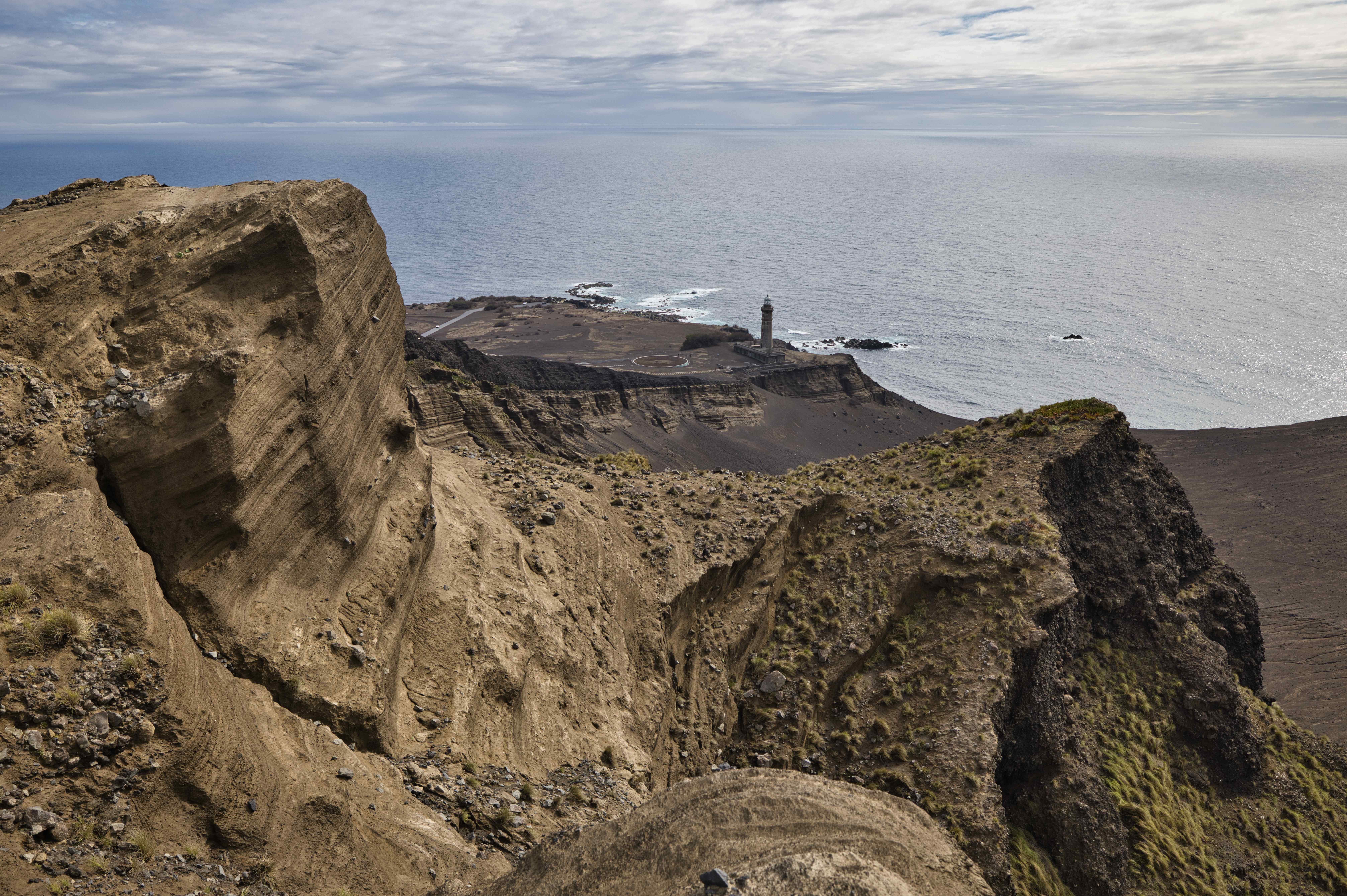

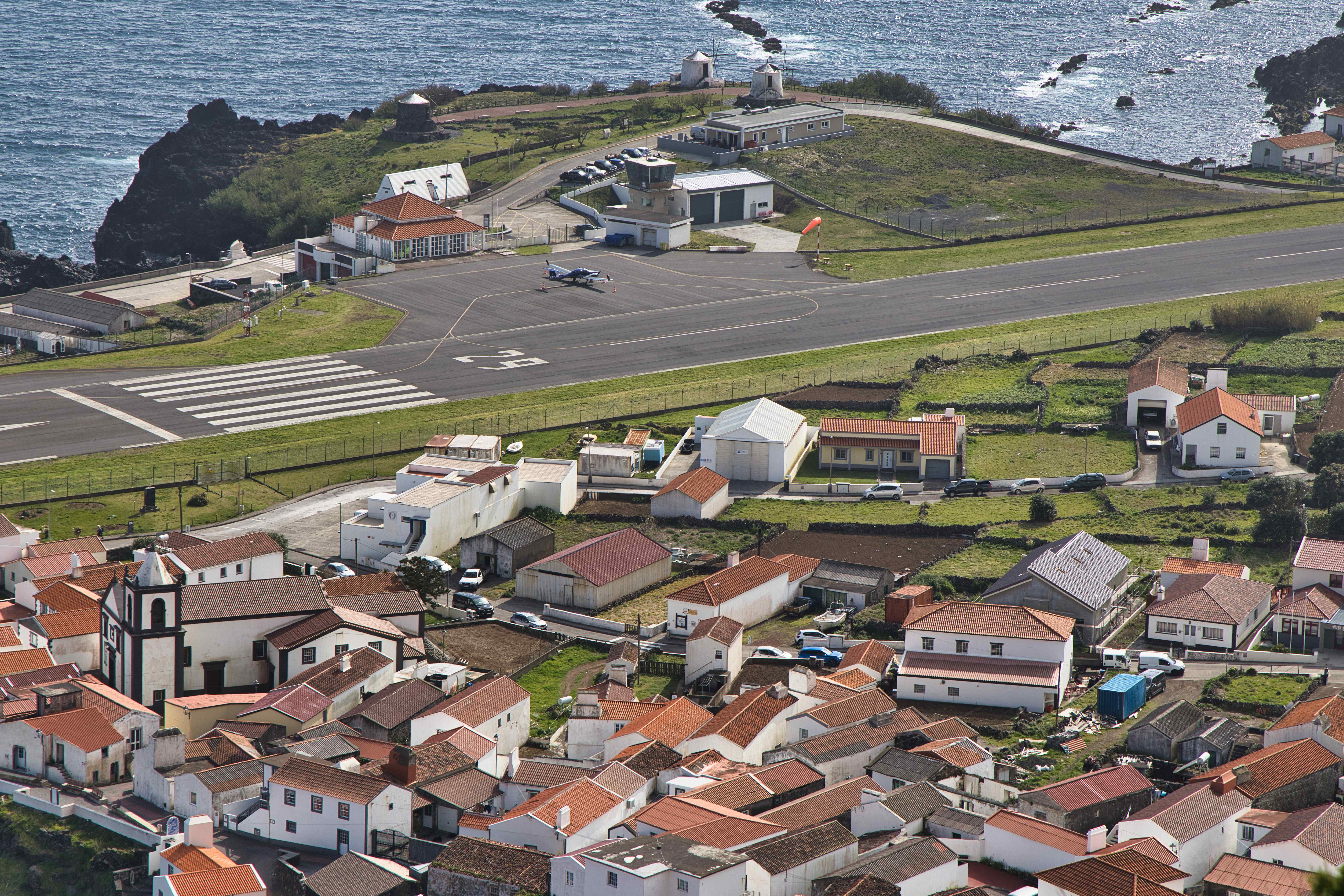
Fifth Island – Corvo
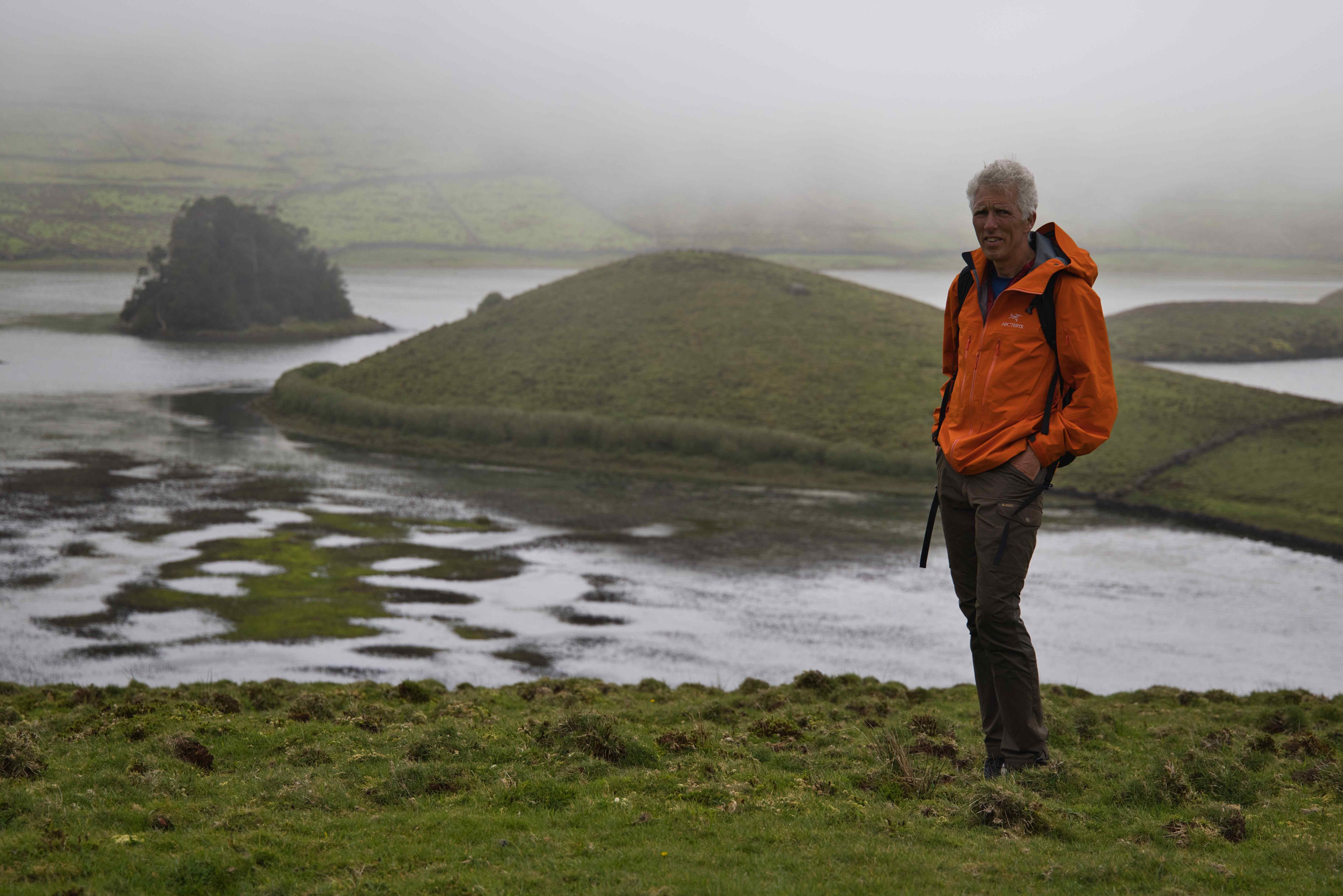
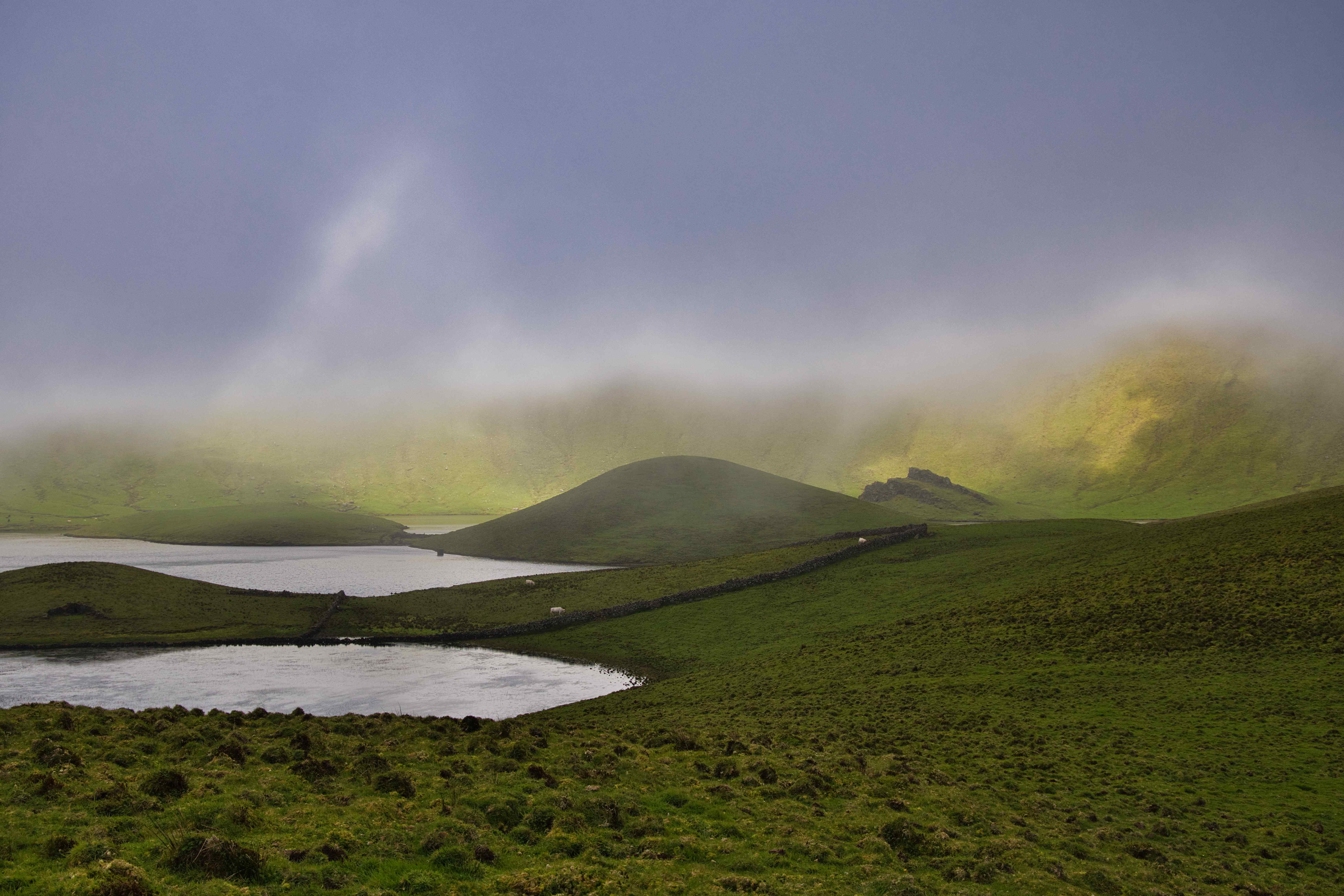
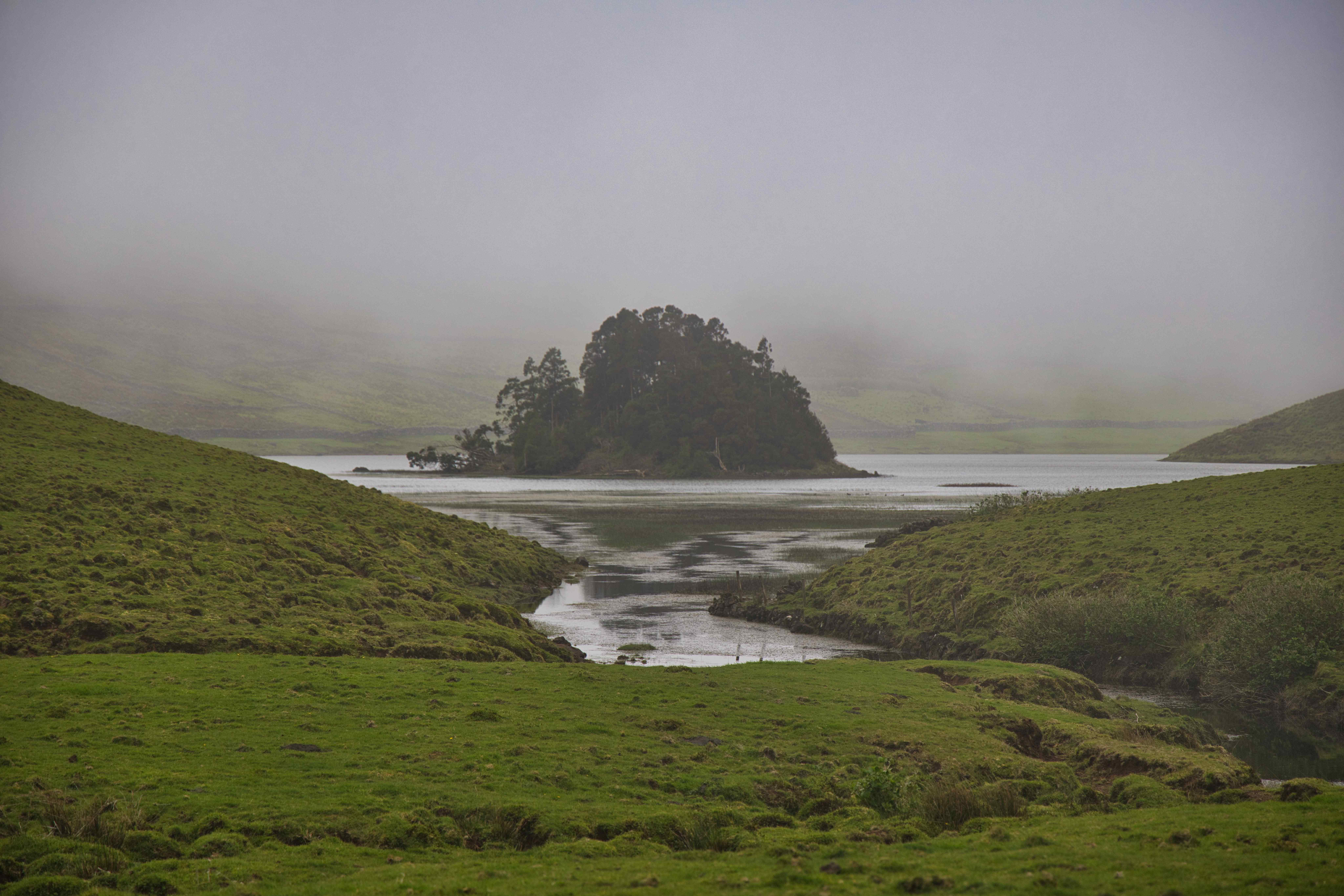
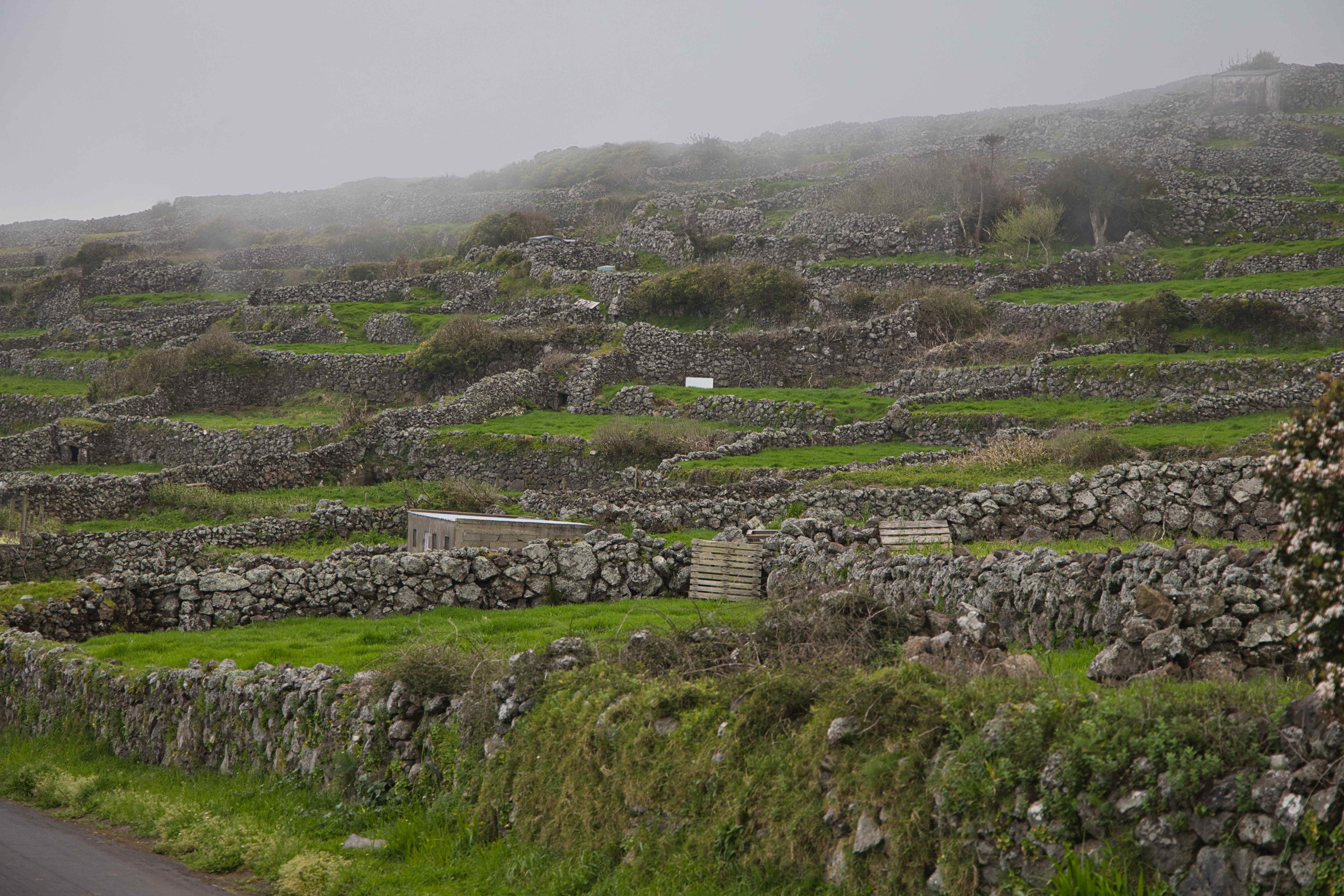
Some pictures from our flight from Faial to the smallest of the Azores, Corvo (LPCR). With a low pass over the airport on Flores (LPFL). The apron on Corvo only has space for one airplane at a time, so we could not land before 13:30 after the last commercial flight, and we had to leave again the next day before 10:00 before the first commercial flight.
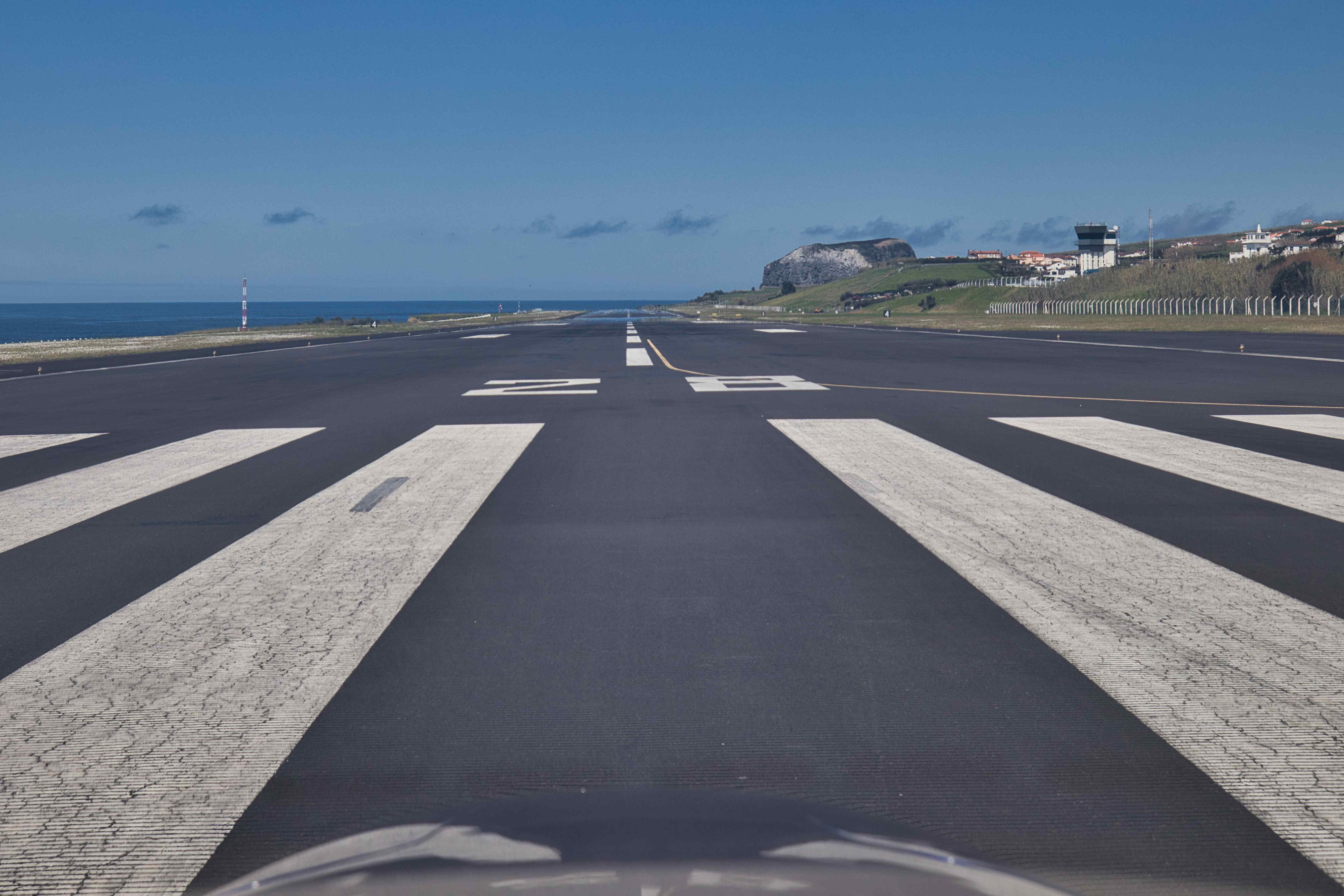

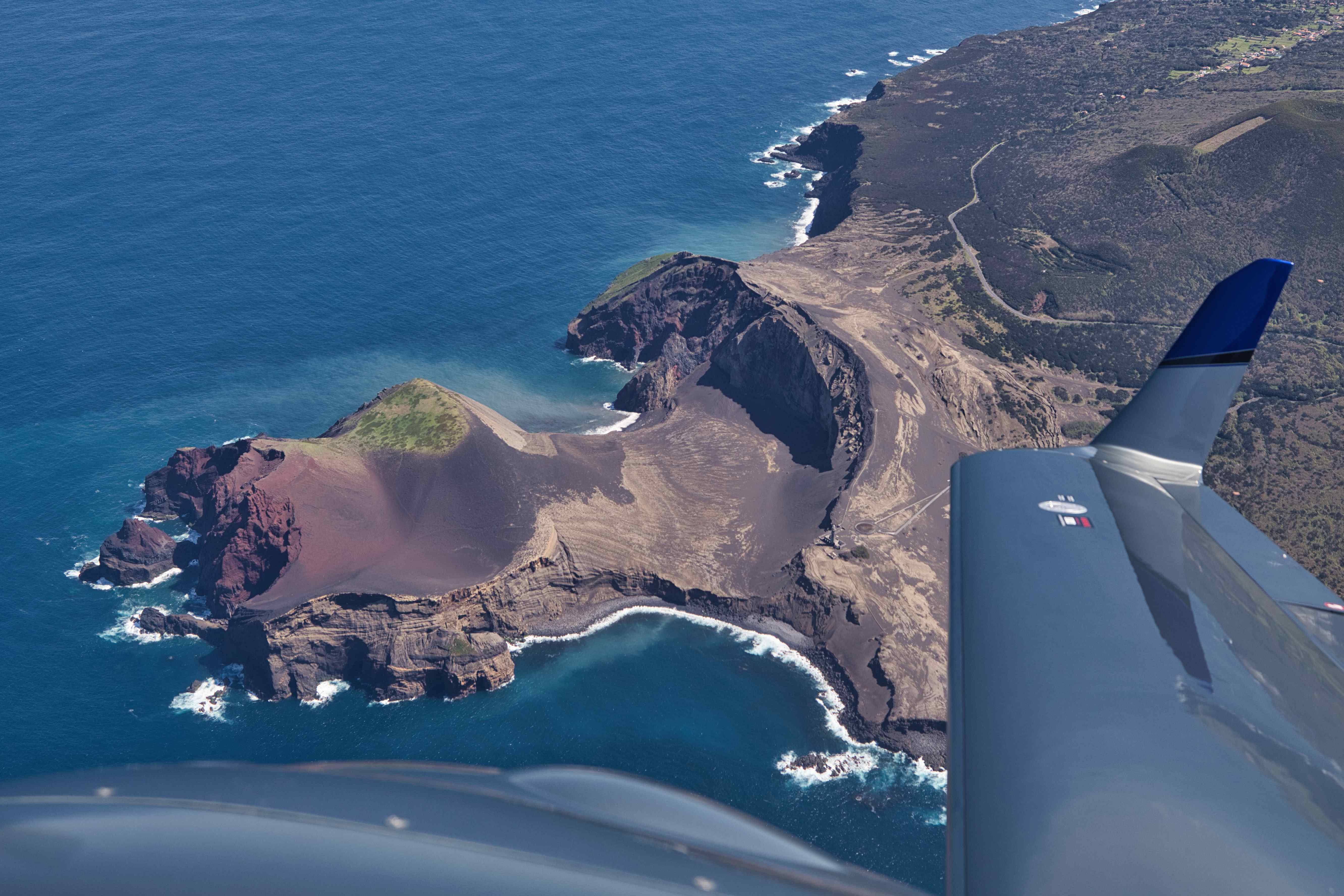
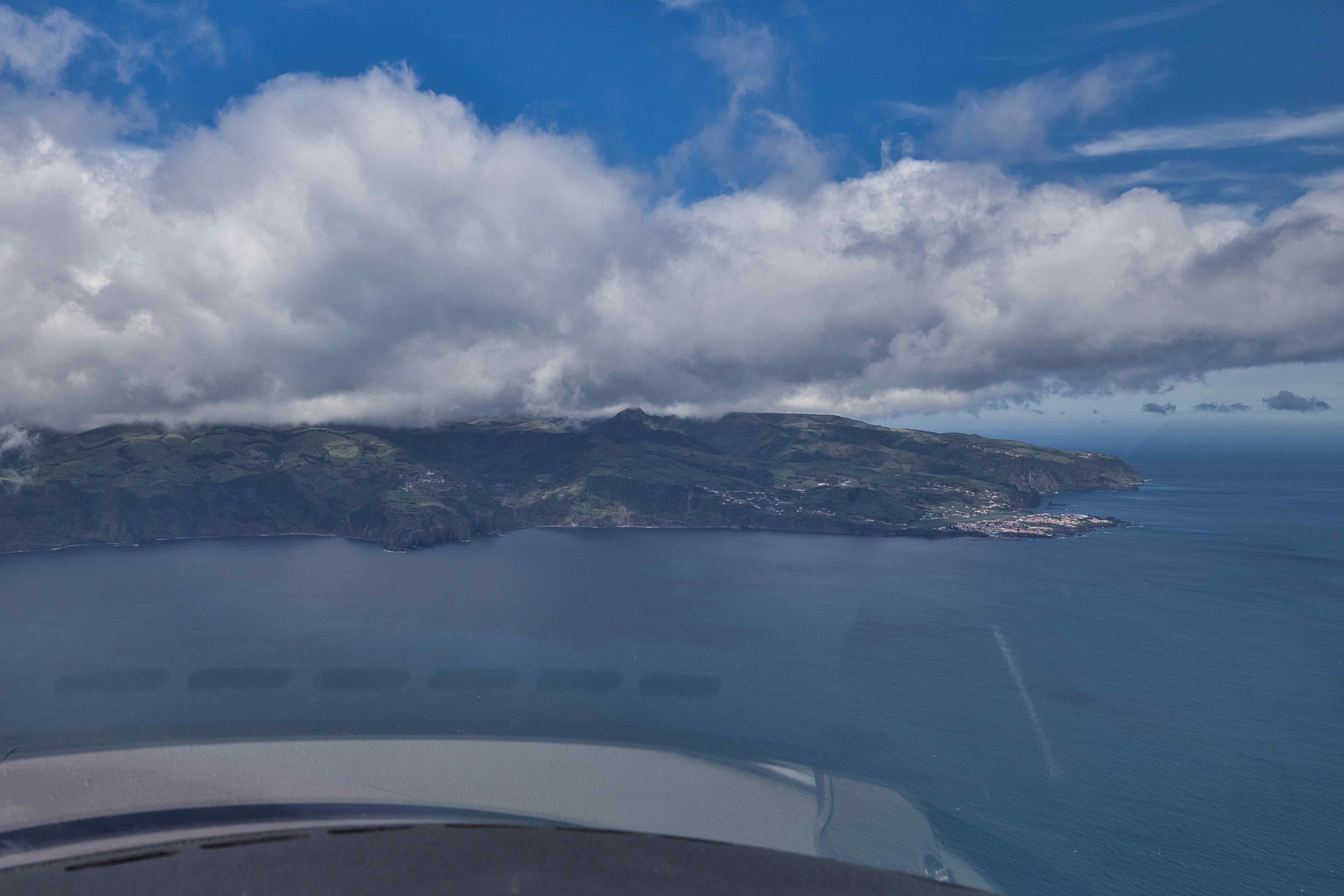
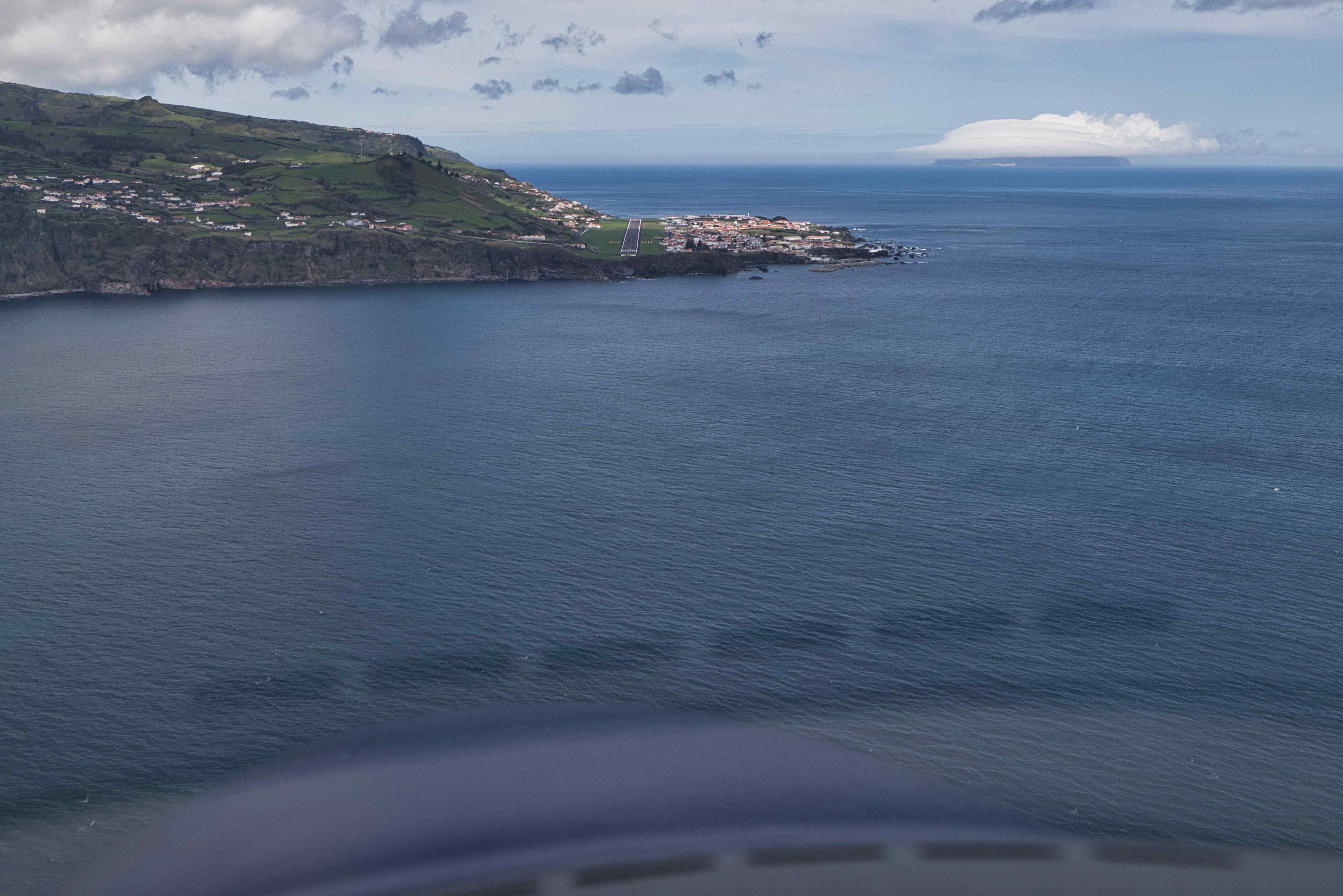

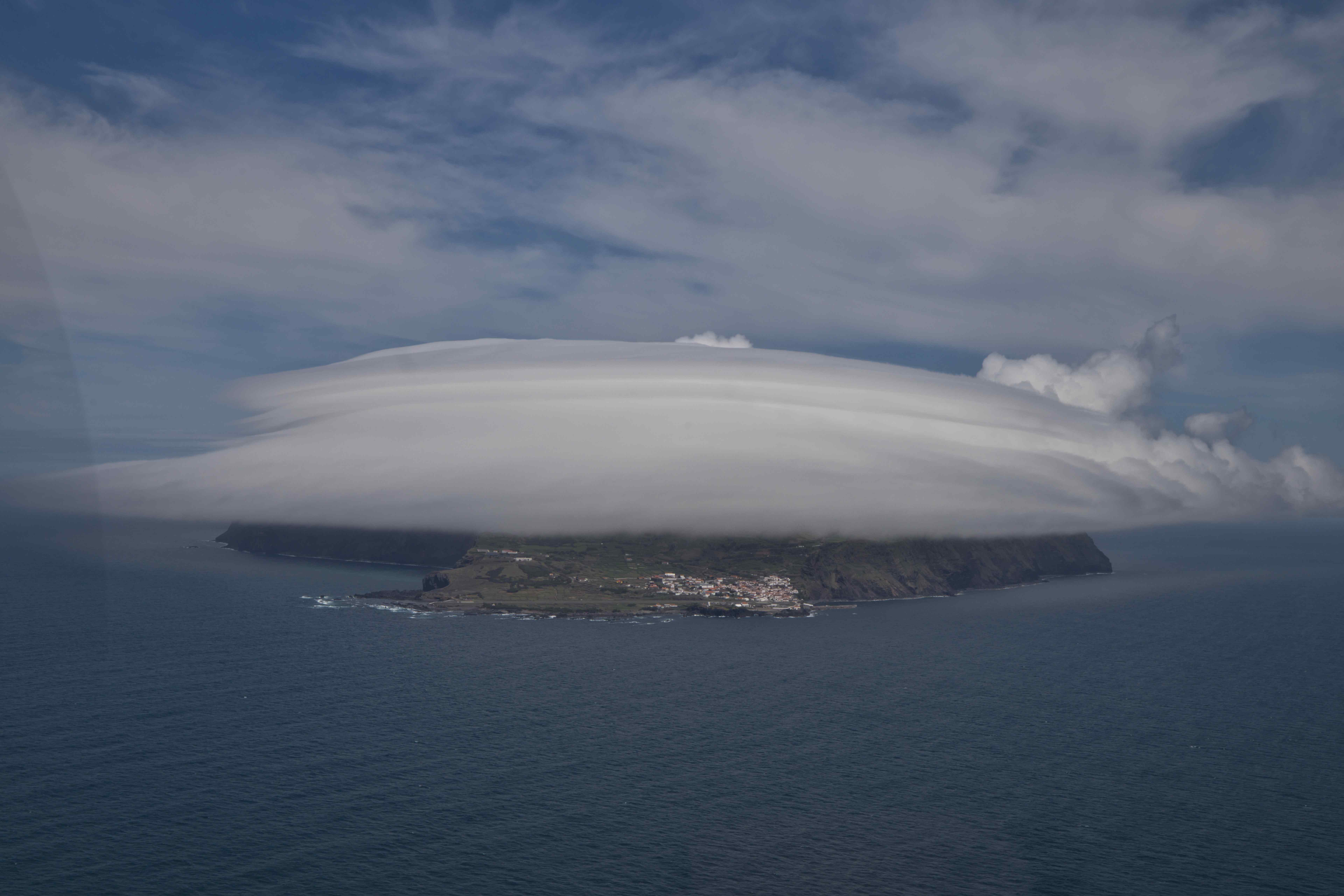
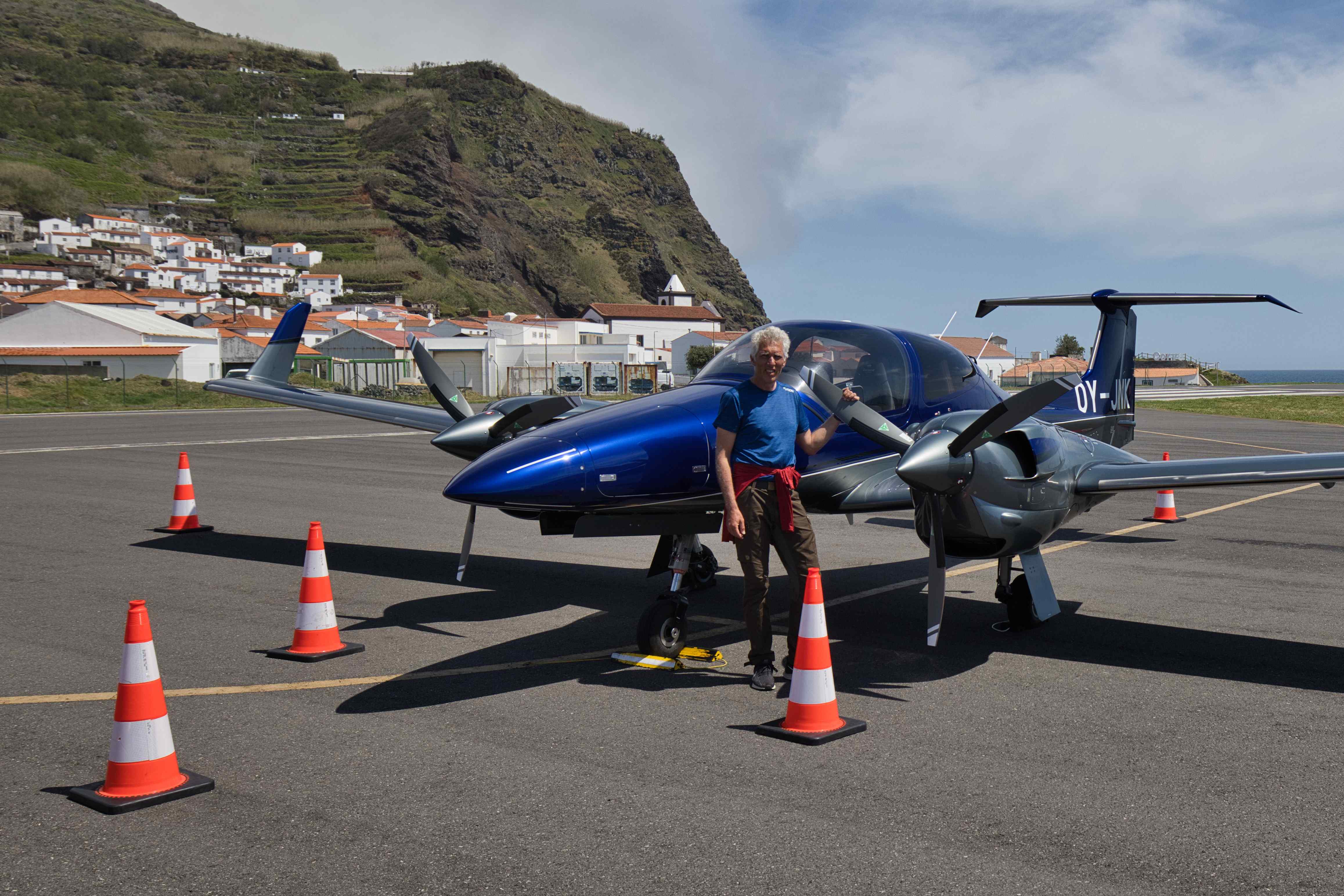
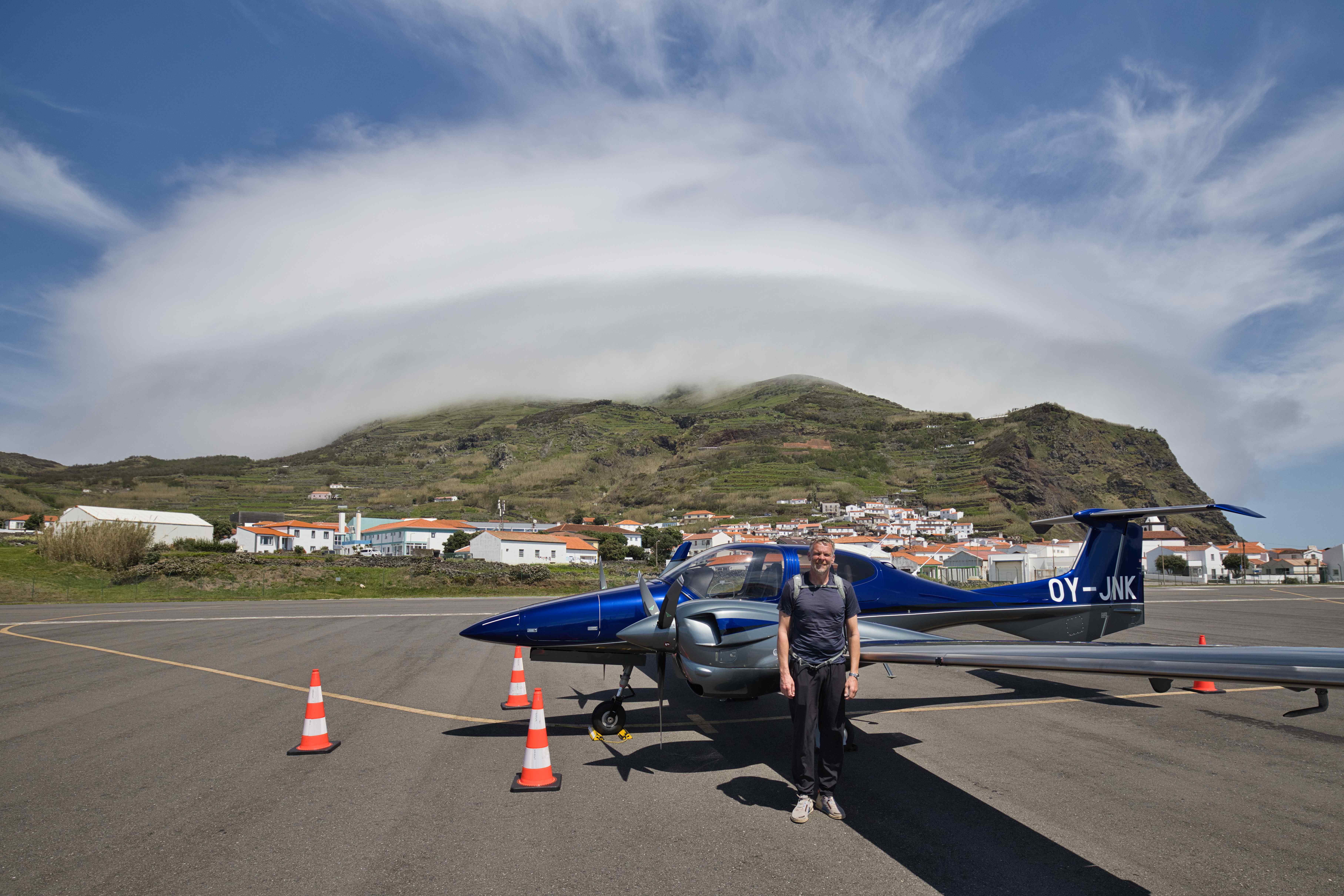
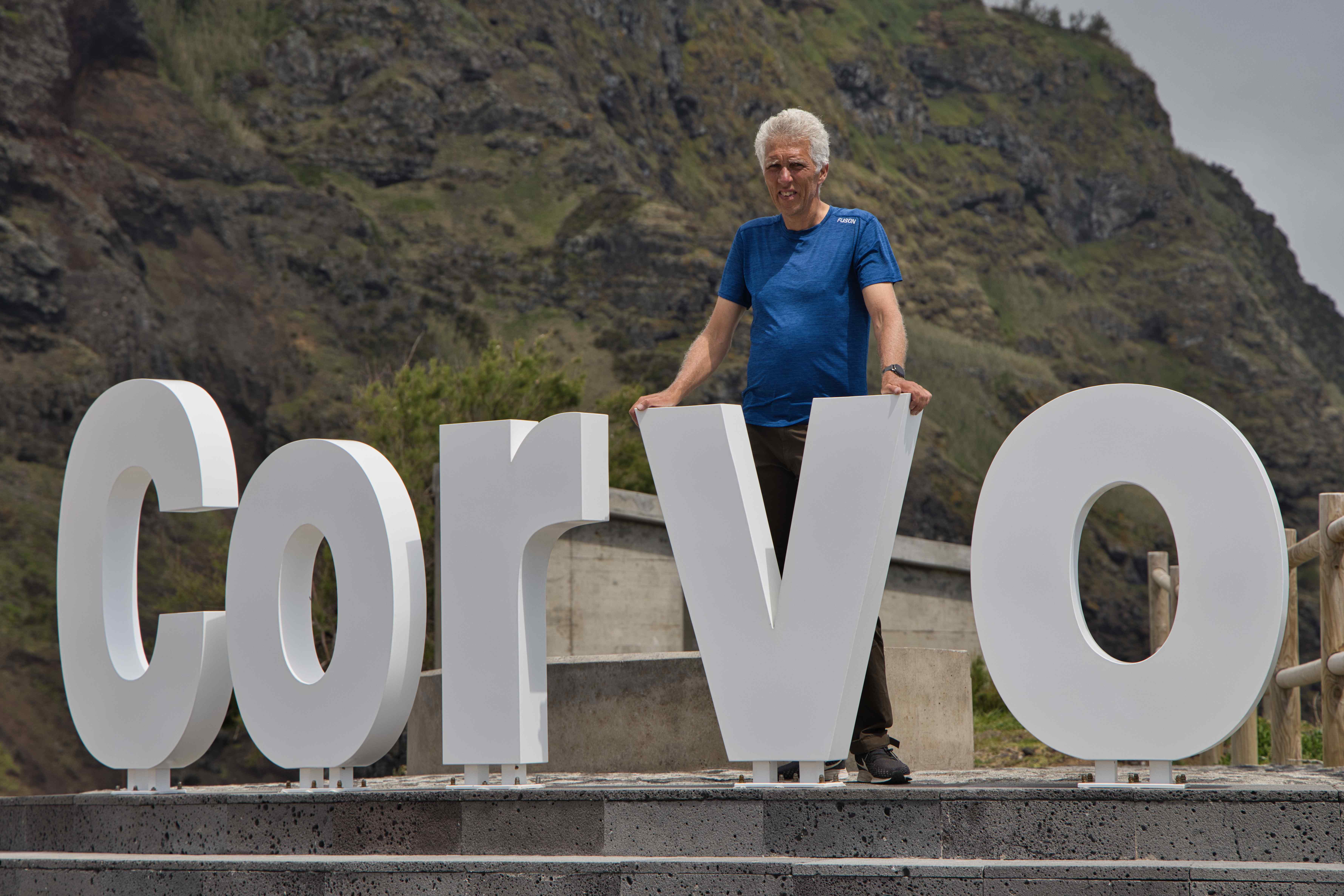
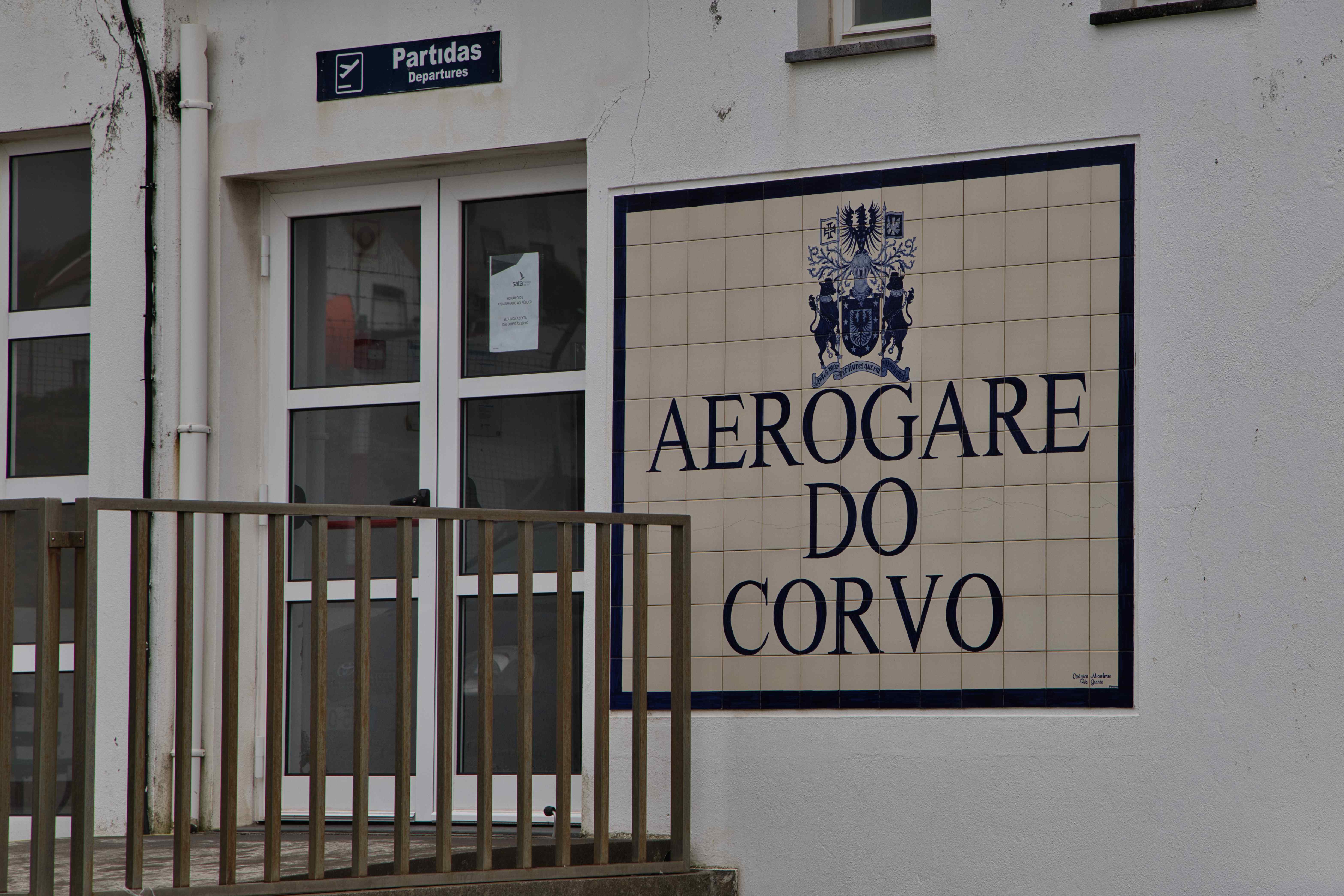
Sightsseing around the small village of Corvo. And hiking the crater of the local volcano (Caldeirão). On Corvo there is only one hotel, and we got one of the last three rooms!



Sixth Island – Terceira
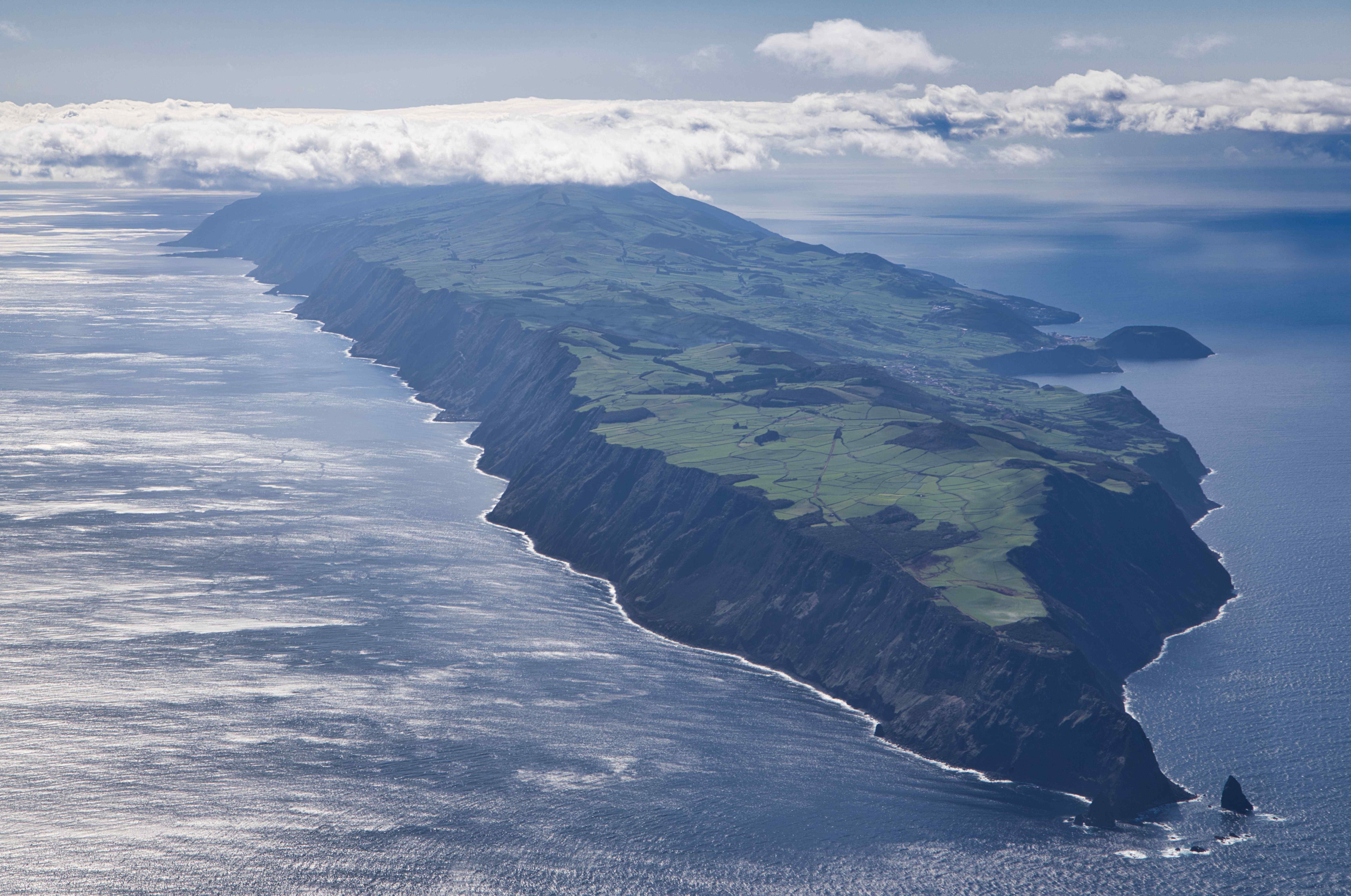
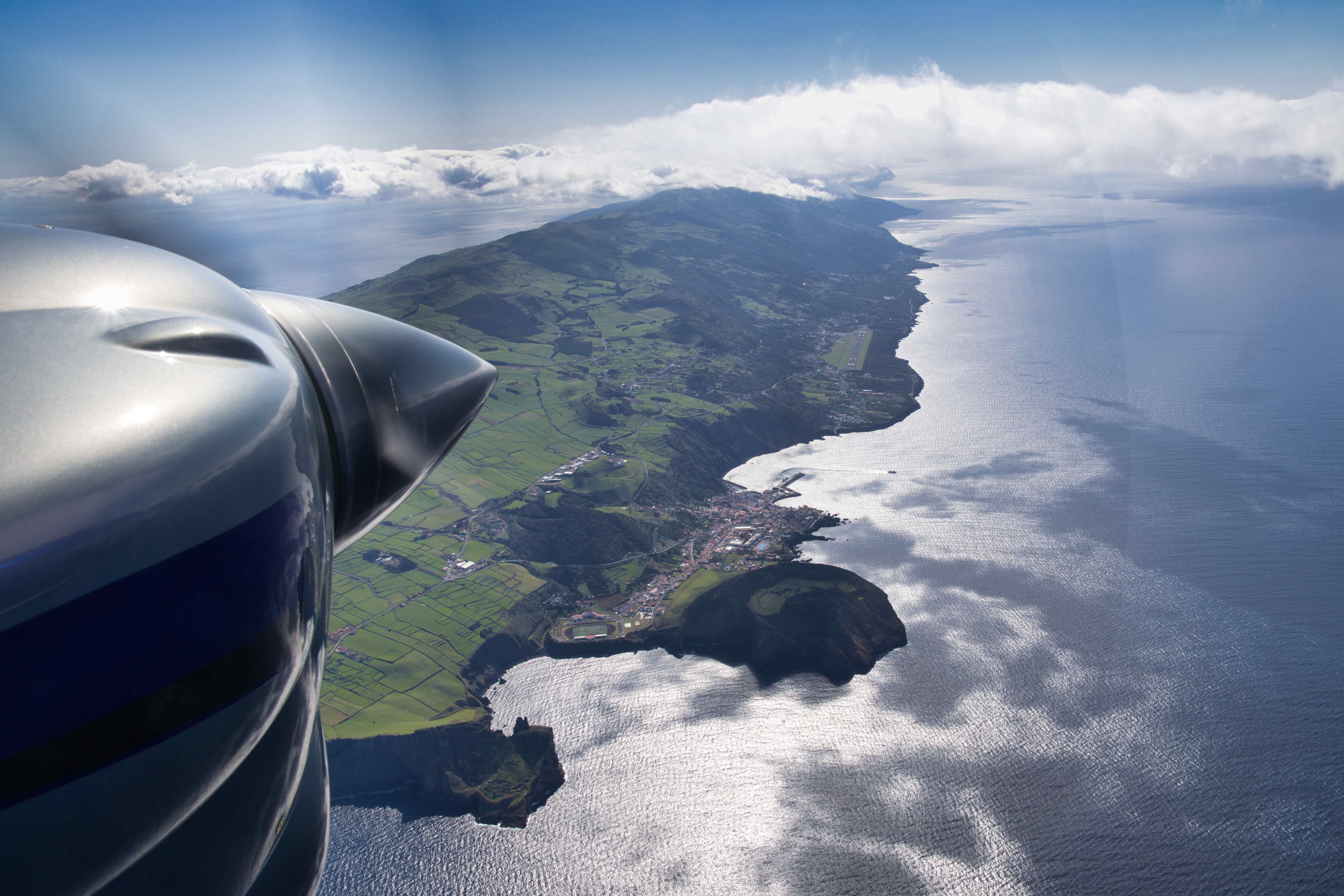
From Corvo we flew to Terceira and landed at Lajes Air Base (LPLA). At Corvo we were parked at the tiniest apron I had ever seen with space for just one airplane at a time. On Lajes the apron is between 100 and 300 meters wide. And more than 3,100 meters long!!! By far the largest apron I have ever had my airplane parked on. We got fuel right after landing against a fuel release, on the Azores fuel can only be bought this way, no BP/Shell/Credit card or cash.
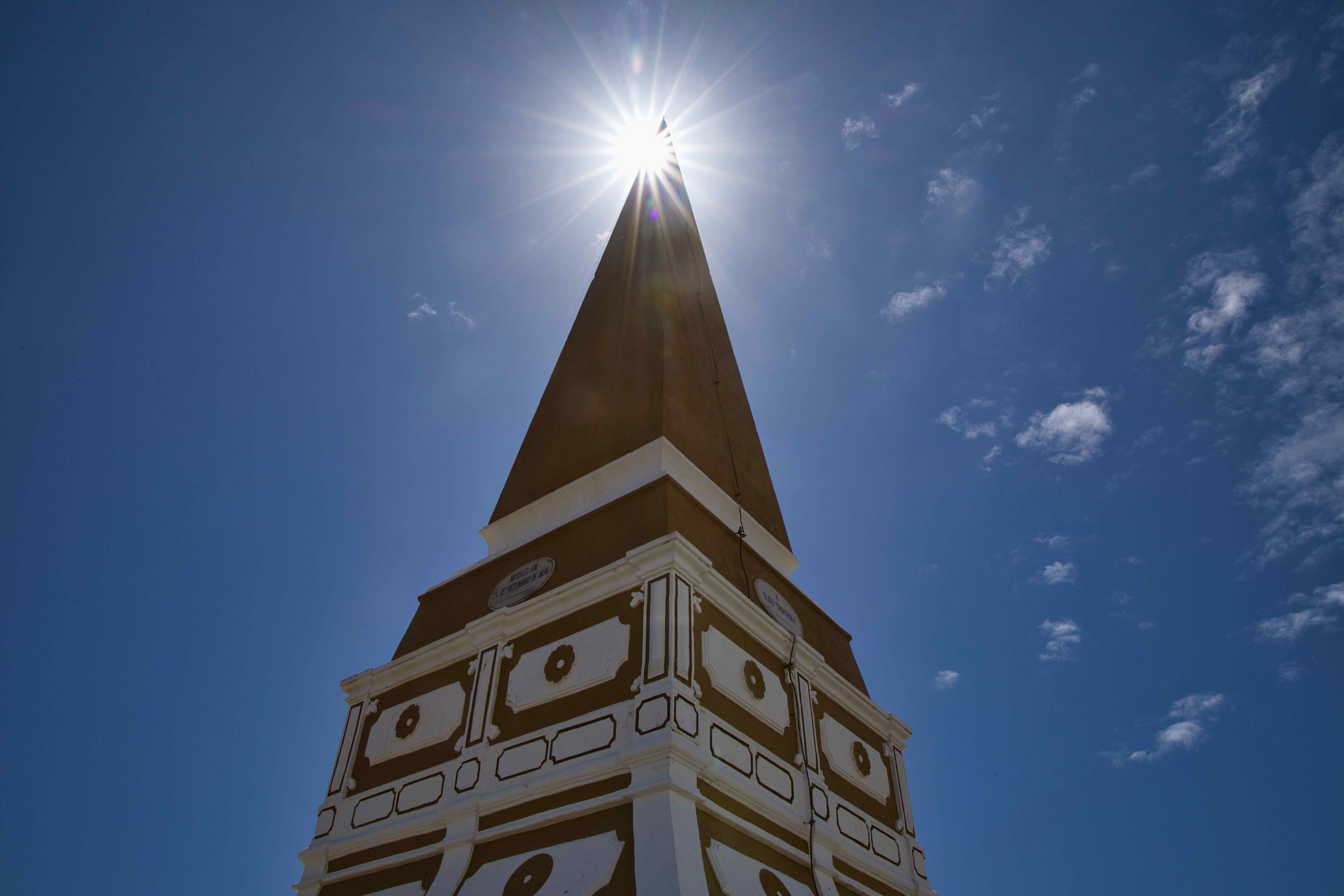
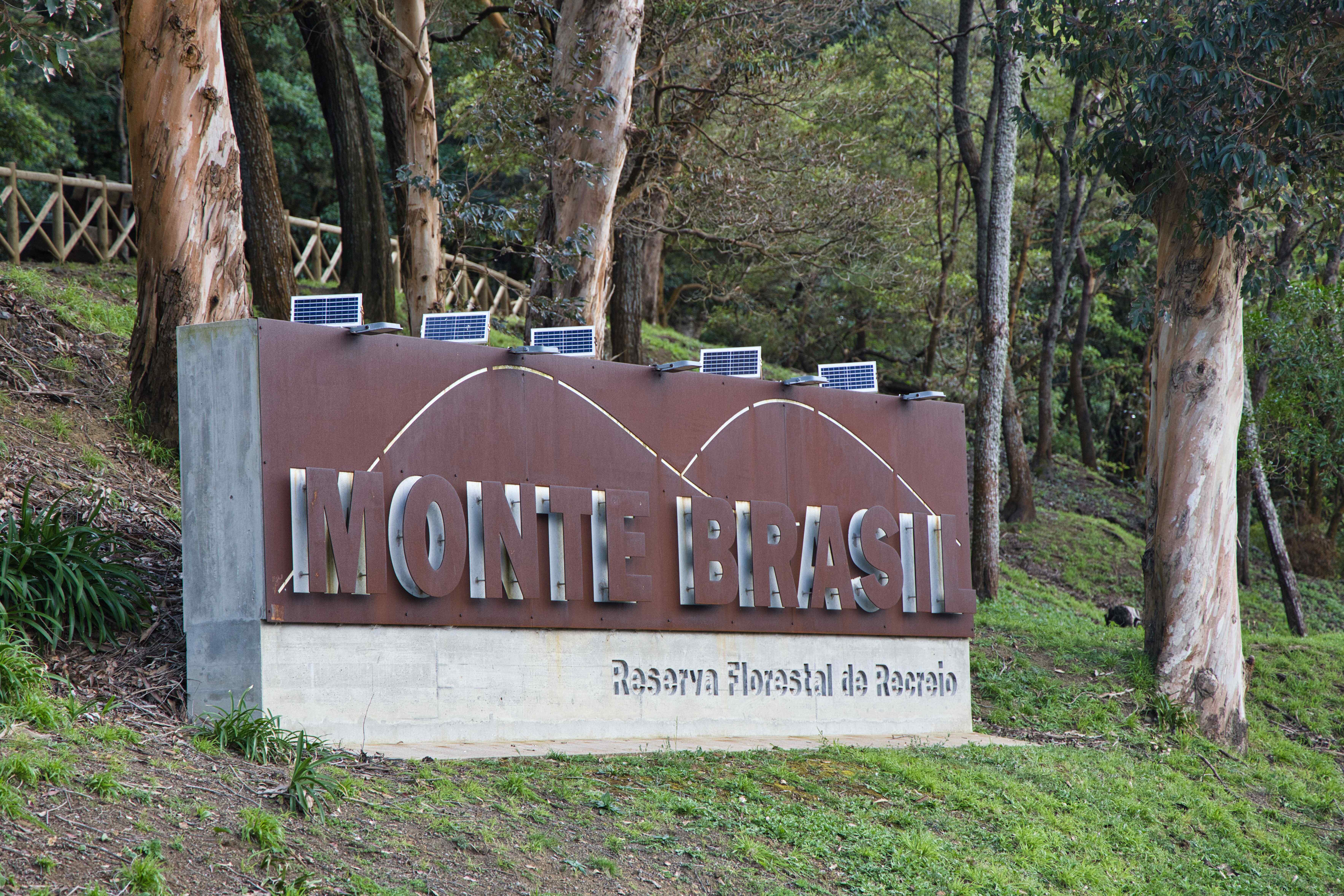
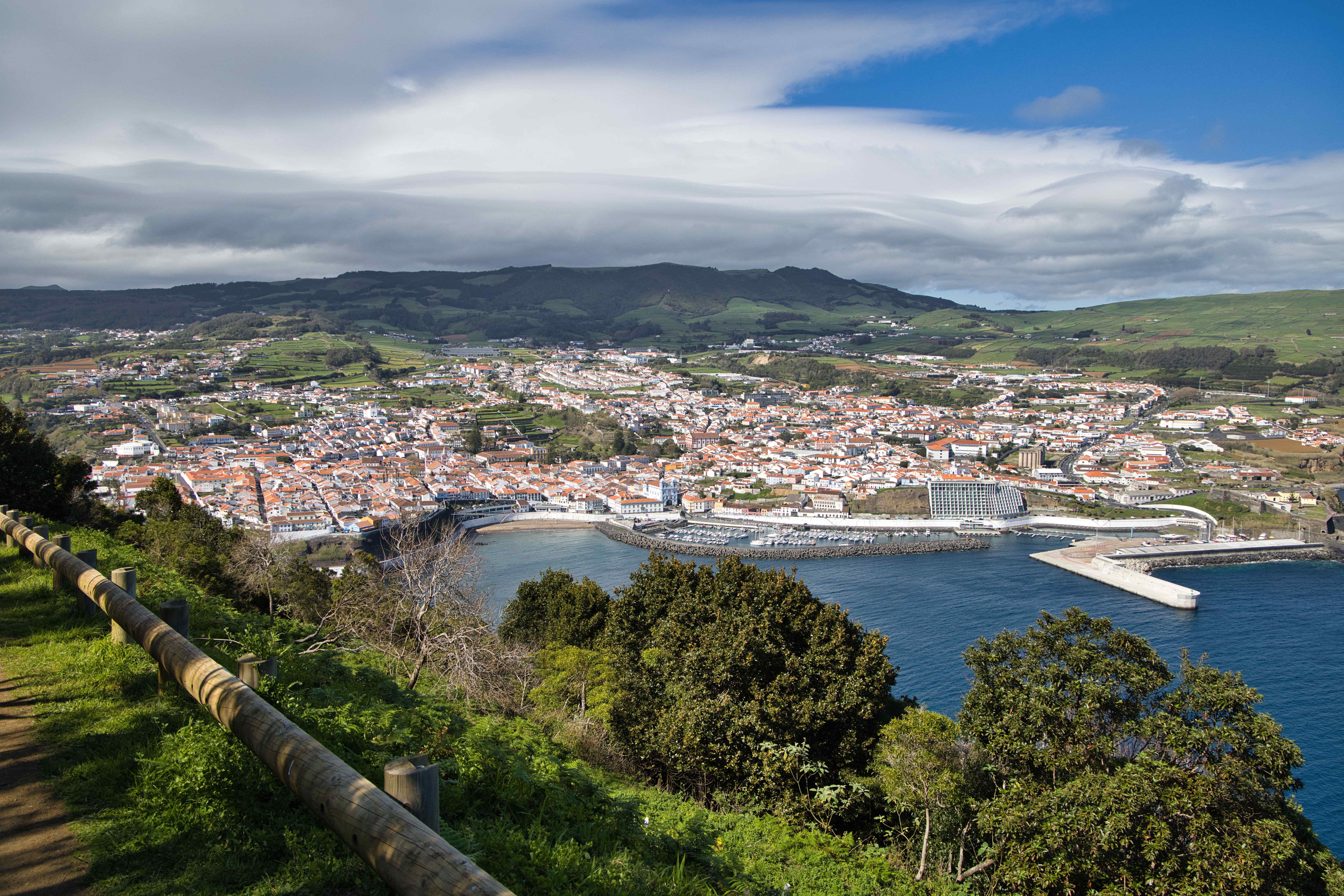
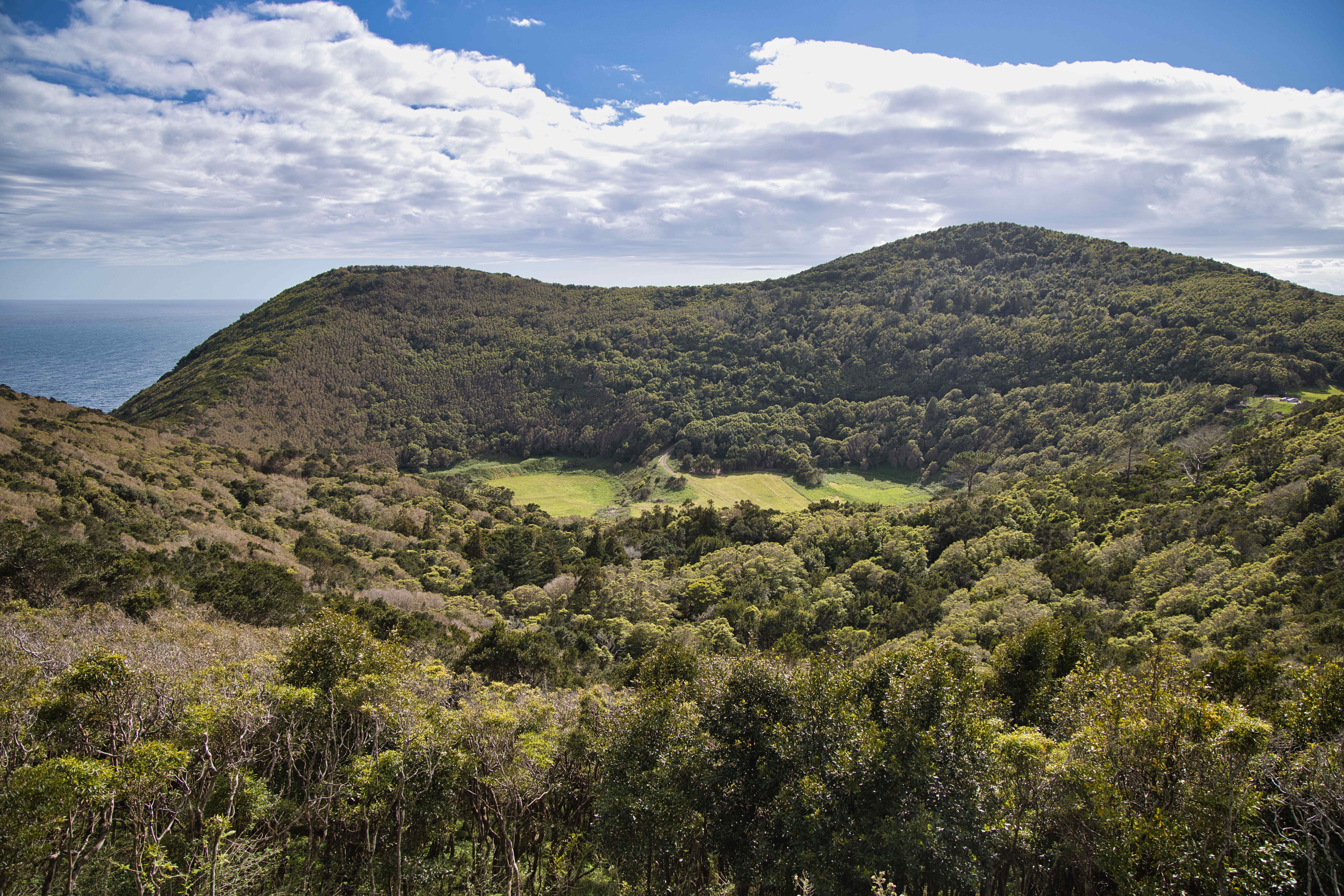
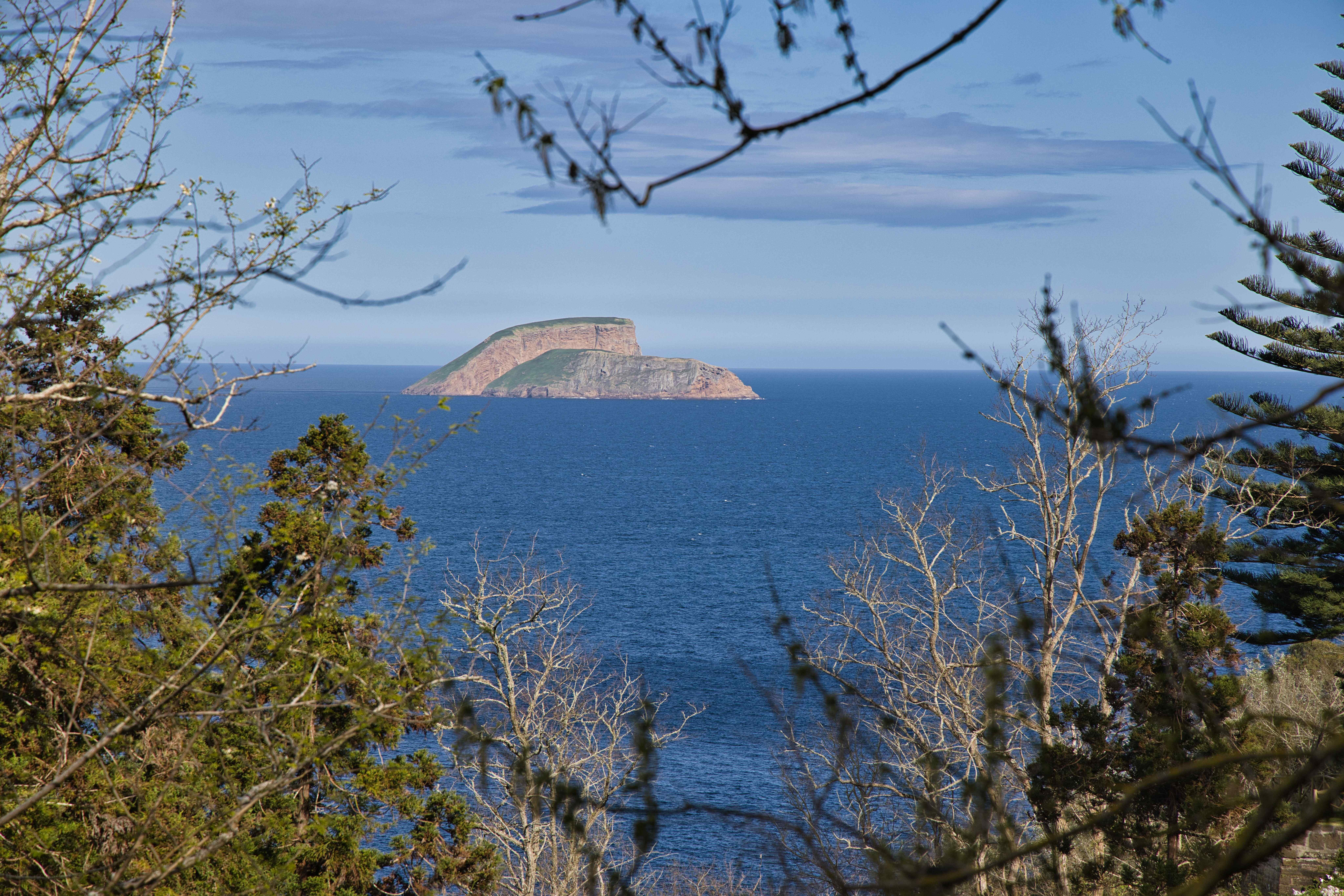
We stayed in Angra do Heroismo, historically the most important city in the Azores. And I spent the evening hiking up to Miradouro do Pico do Facho on the local volcano next to the city.



Flying home from the Azores
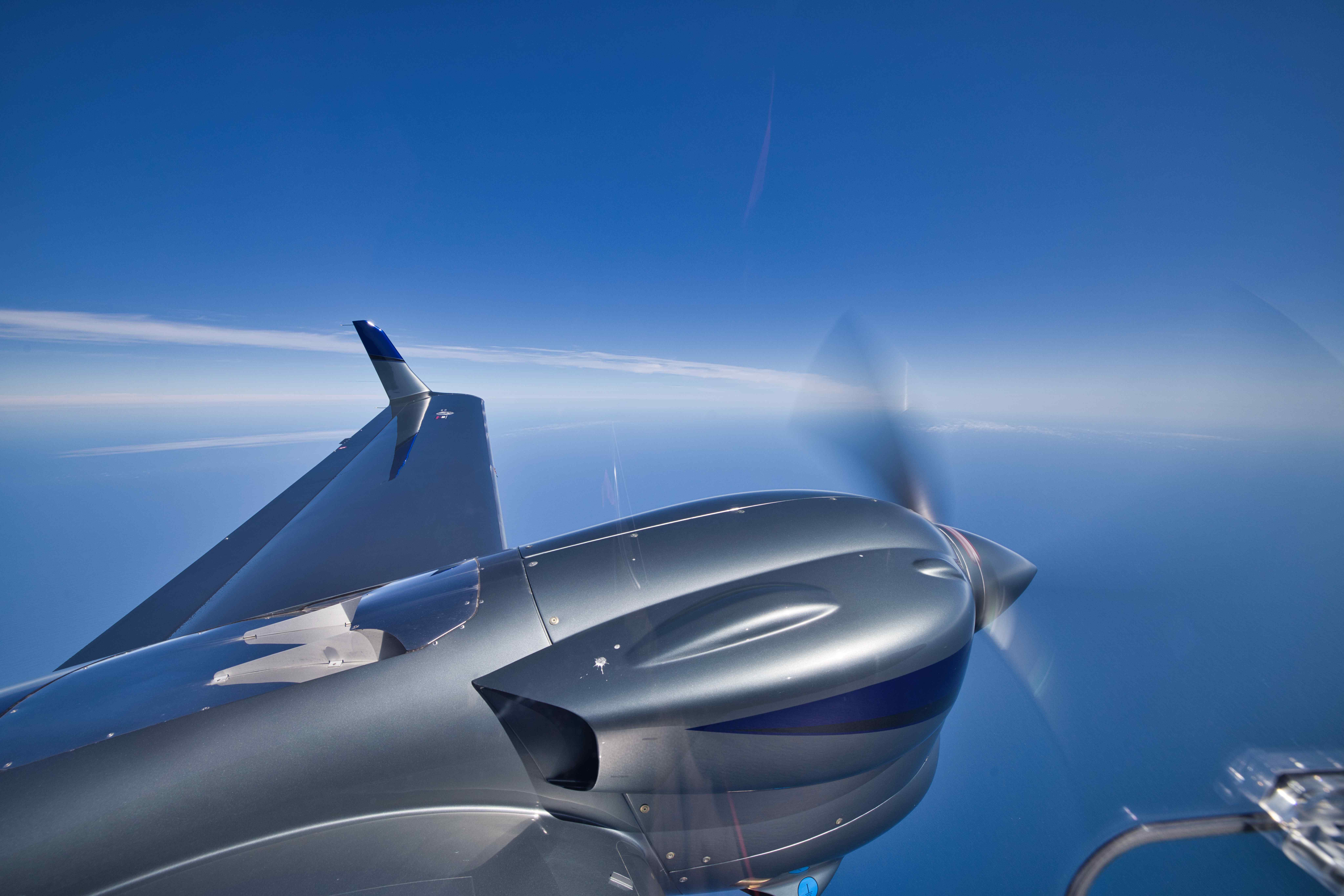
We flew home to Denmark in just two days. On April 23rd the winds was perfect for a long jump from Lajes (LPLA) to Vigo on the western coast of Spain just north of Portugal (LEVX). We flew at FL180 (18,000 feet), we had tail winds all the way between 25 and 45 knots, exactly as predicted, we flew 850 nautical miles (1,550 km) over the Atlantic Ocean. And when landing after more than 5 hours of flying, we still had 29 out of 76 gallons left (3 hours of flight time). My pre-flight planning predicted 30 gallons left at touchdown!
The day after, on April 24th, we flew another two long jumps, first to Le Touquet in France (LFAT) where we got damn good burgers for lunch at the cosy airport restaurant. And finally to our home airport, Roskilde in Denmark (EKRK).


 Flying Adventures and More...
Leave a comment